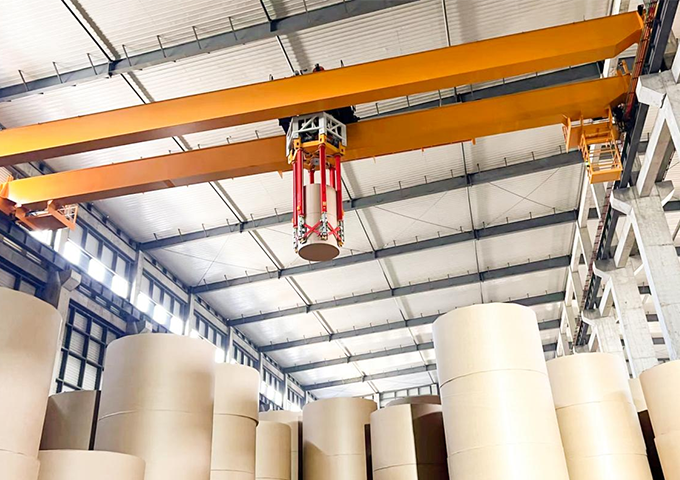
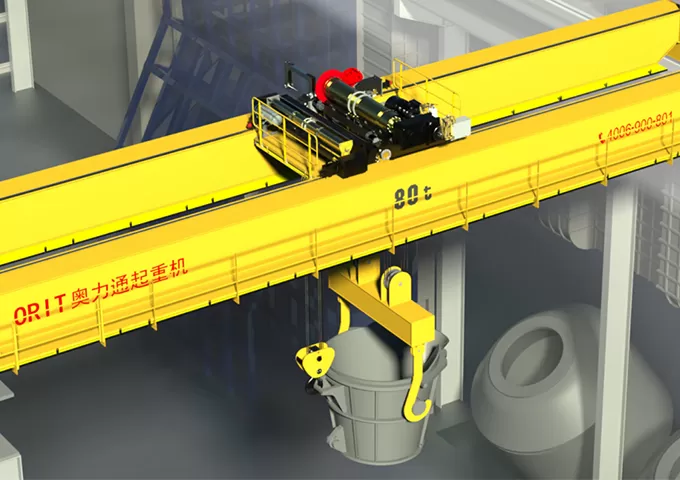
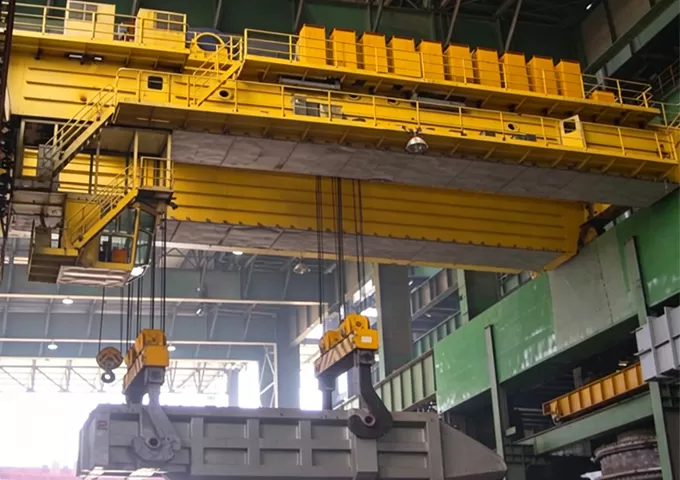
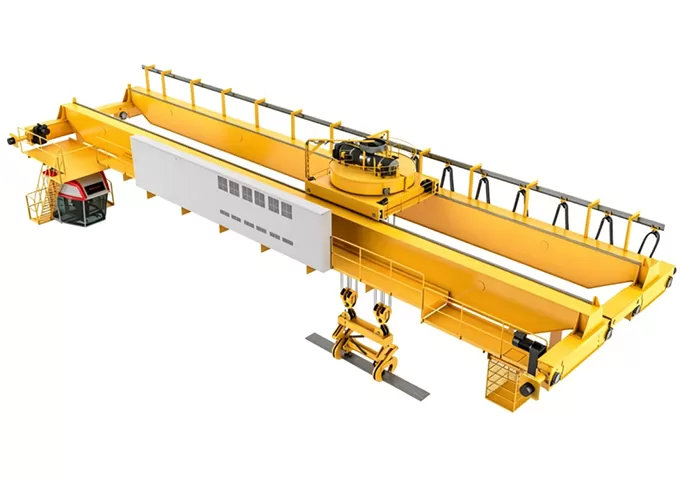
In the heart of every steel mill, where temperatures soar and massive loads move continuously, the difference between a standard overhead crane and a specialized steel mill crane can mean the difference between profitable production and catastrophic downtime. Standard cranes, designed for general manufacturing environments, simply cannot withstand the extreme conditions that define steel production.
Steel production is a process of intense heat. Molten steel reaches temperatures of approximately 1,600°C, radiating thermal energy that affects every component within the mill environment. For a crane operating above a ladle of molten metal, the thermal radiation on critical components can be overwhelming. General-purpose cranes lack the thermal protection necessary for this environment. Specialized steel mill cranes, by contrast, incorporate multiple heat-resistant features that ensure continued operation. Heat radiation reflectors are installed to shield the crane's structure and electrical components from direct thermal exposure. The electrical room is typically lined with rock wool board for insulation, and the main girder is equipped with a thermal baffle to reduce heat radiation transfer to the steel structure. Key components such as motors are designed with Class H insulation, ensuring they can operate reliably in ambient temperatures up to 60°C or higher. Oritcranes metallurgy cranes incorporate robust thermal protection systems, including heavy-duty motors and high-strength galvanized steel wire ropes that maintain their integrity under extreme heat.
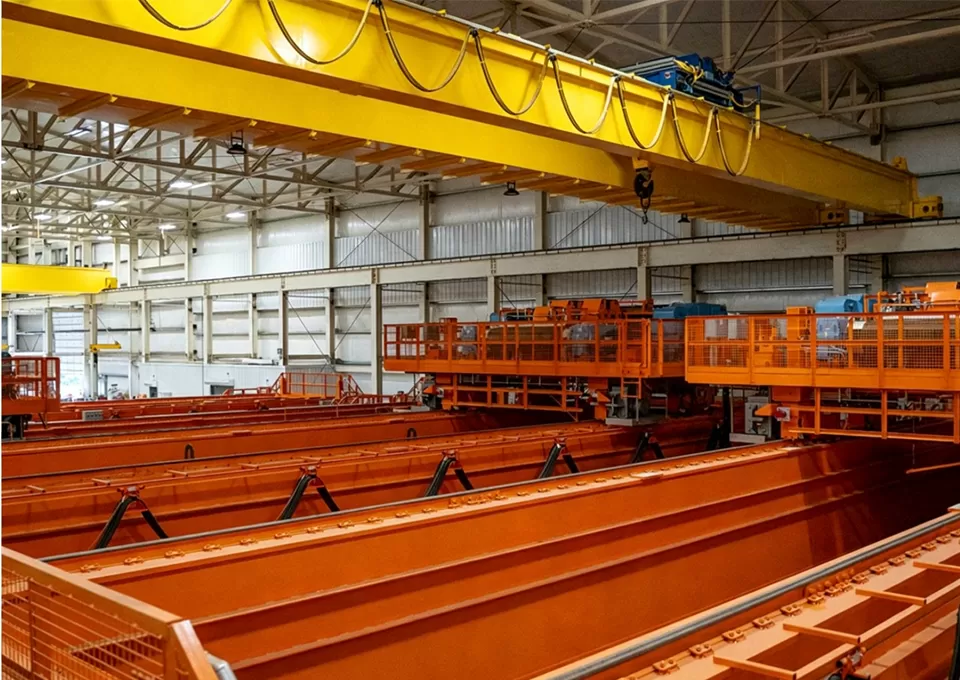
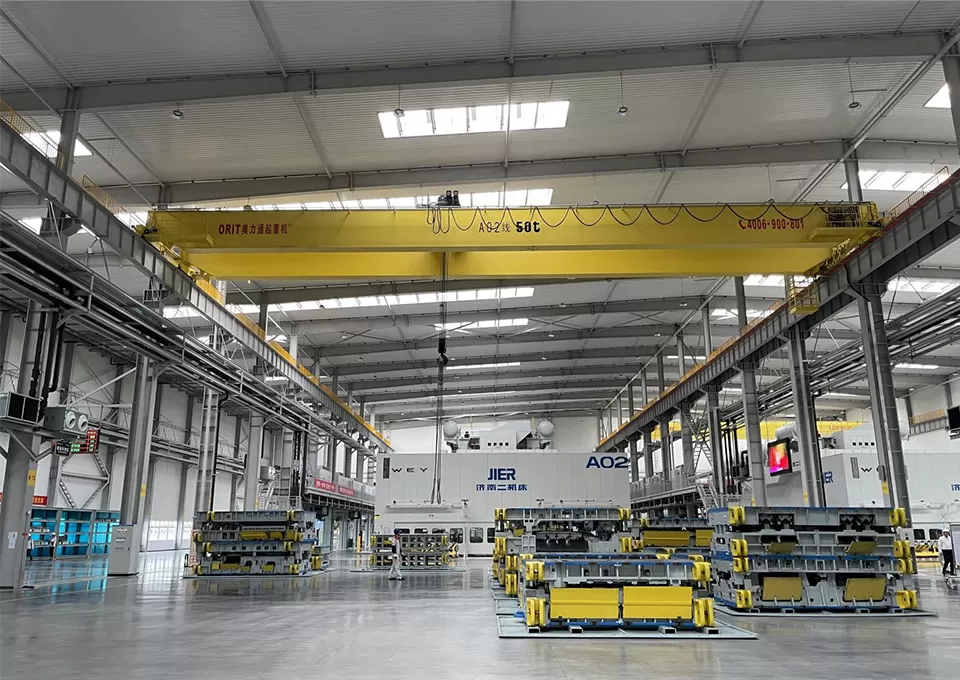
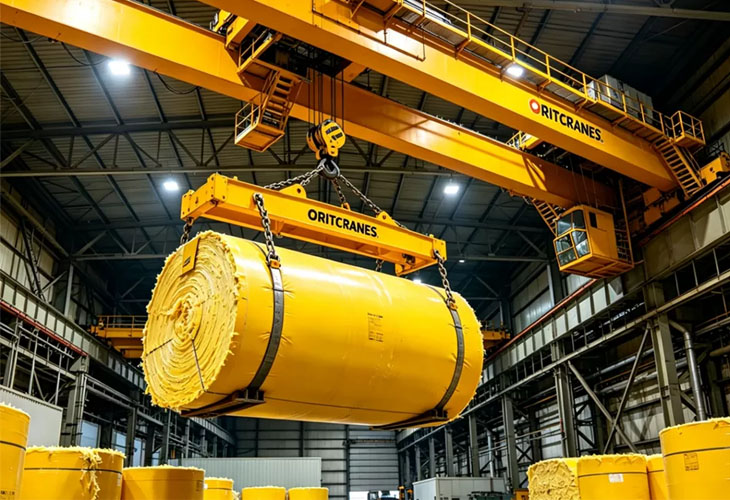
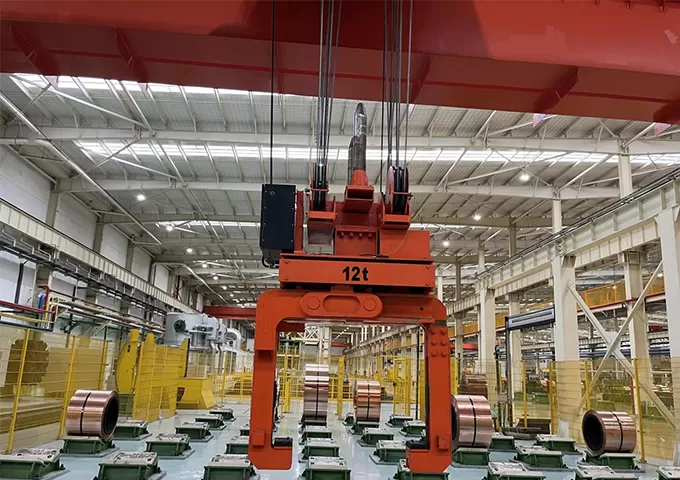
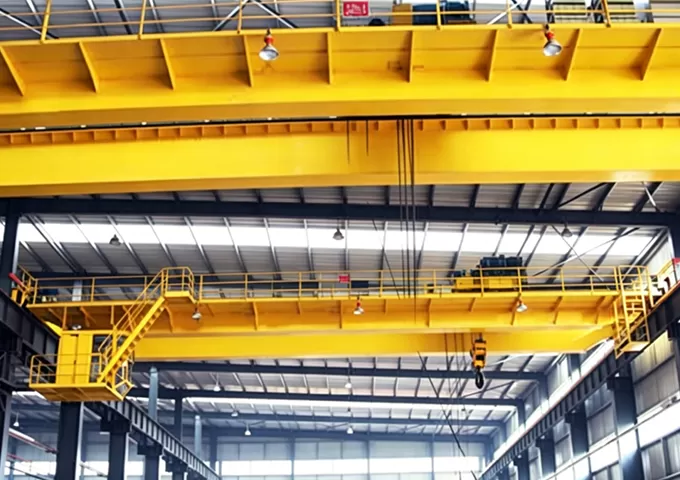
Steel production does not stop. The industry operates on continuous cycles where cranes work around the clock, handling loads from raw material charging through to finished coil transport. A standard crane, typically designed for A3 to A5 duty classifications, simply cannot endure the constant heavy lifting required in steel production. Specialized steel mill cranes are engineered to A7 or A8 duty classifications—the highest ratings for continuous, severe-duty operation. This means the crane is designed from the ground up for high-frequency use, with reinforced girders, end trucks, and connections that resist fatigue and cracking over decades of service. Ore bridge cranes handle huge volumes of raw materials; ladle cranes transport molten metal; coil handling cranes operate at high speeds throughout the production cycle. Each is built for the relentless rhythm of steelmaking. Our solutions for steel applications are available as specialized metallurgy cranes, including ladle handling, casting, forging, quenching, and electromagnetic cranes, all designed for high-duty cycles.
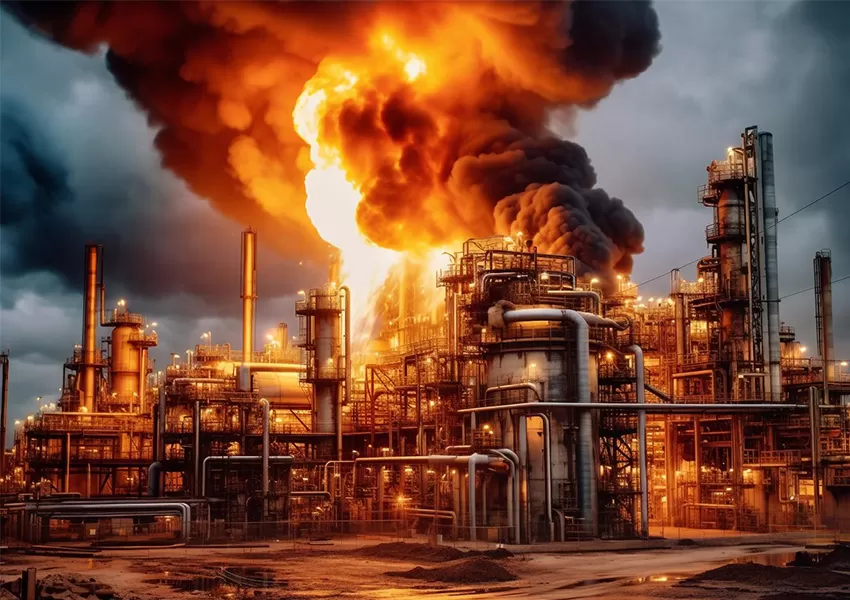
In a standard factory, a crane failure may mean a broken component and downtime. In a steel mill, a crane failure can mean a catastrophic spill of molten metal, endangering lives, destroying equipment, and halting production for days or weeks. The margin for error is non-existent, and specialized cranes are engineered accordingly. The safety margin for a steel mill crane starts with its structural design. Industry practice recommends adding 25% to the maximum expected load when calculating capacity, with many applications requiring even higher margins for hot materials or continuous use. This means a crane designed to handle an 18-ton load should actually be rated for 22 to 24 tons, ensuring it has the capacity to absorb unexpected shocks and stresses. Beyond structural strength, safety is achieved through multiple layers of redundancy. Steel mill cranes are equipped with dual braking systems—main and auxiliary brakes—on the primary hoisting mechanism. Overload limiters prevent the crane from exceeding its rated capacity. Limit switches and encoders monitor movement, while temperature monitoring systems provide early warnings of thermal issues. Emergency raising and lowering functions are incorporated to protect the ladle during any malfunction. Load sway control ensures steady handling of the dangerously unstable liquid metal.
A steel mill is not a typical factory, and it cannot be served by typical cranes. The intense heat, relentless duty cycles, and critically high safety stakes demand equipment designed from the first bolt for this extreme environment. Specialized steel mill cranes protect workers, safeguard expensive infrastructure, and keep production moving efficiently. At Oritcranes, our long-standing collaboration with European technology leaders, combined with our own engineering innovations and over 400 patents, enables us to deliver the robust, reliable, and intelligent lifting solutions that steel mills around the world depend on.
Steel mill cranes are built with higher structural strength (A7-A8 duty classifications), heat-resistant materials, dust-proofing, and multiple safety redundancies like dual braking systems. Standard cranes are not designed for the high temperatures, continuous operation, or critical safety requirements of steel production.
Industry practice recommends adding 25% to your maximum expected load. For applications handling hot materials or requiring continuous heavy-duty operation, an even higher margin may be necessary. If your heaviest load is 18 tons, you should consider a crane rated for 22 to 24 tons.
Key features include heat radiation reflectors, rock wool insulation in electrical rooms, thermal baffles under the main girder, and Class H insulated motors capable of withstanding ambient temperatures up to 60°C or higher.
Standard safety redundancies include main and auxiliary brakes on the hoist, overload limiters, temperature monitoring, anti-sway systems, emergency raising/lowering functions, limit switches, and encoders to monitor all movements.
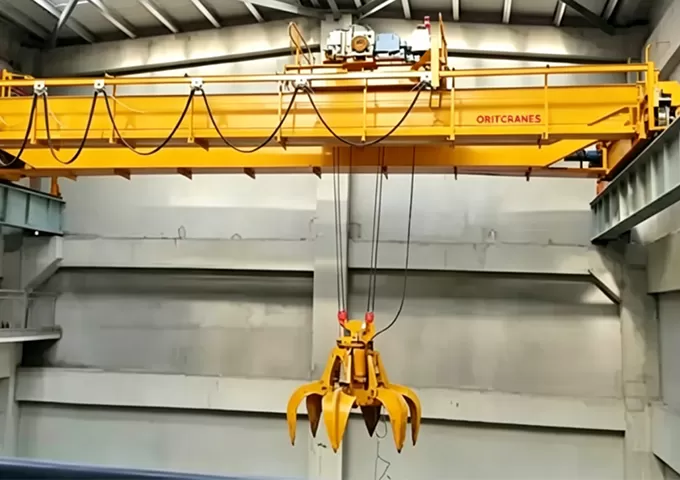
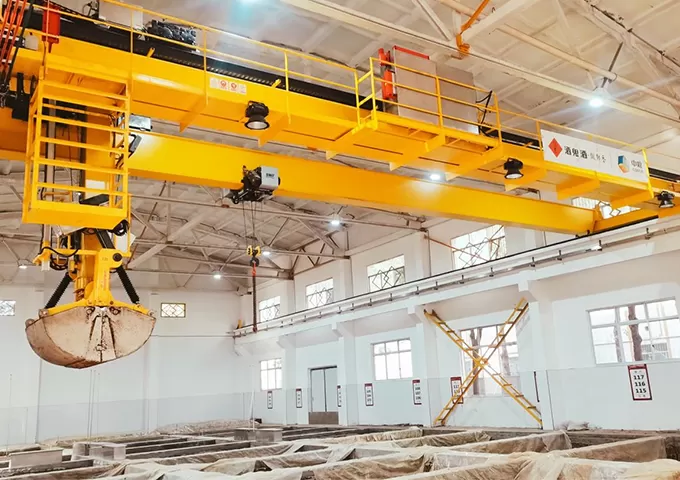
Yes. Oritcranes specializes in highly customized cranes for the metallurgy industry, including ladle cranes, casting cranes, forging cranes, quenching cranes, electromagnetic cranes, and grab cranes, all designed to meet exact operational requirements.
For more detailed specifications, engineering consultations, or to request a site assessment for your steel mill, you can explore industry standards and best practices through resources from the Crane Manufacturers Association of America (CMAA).