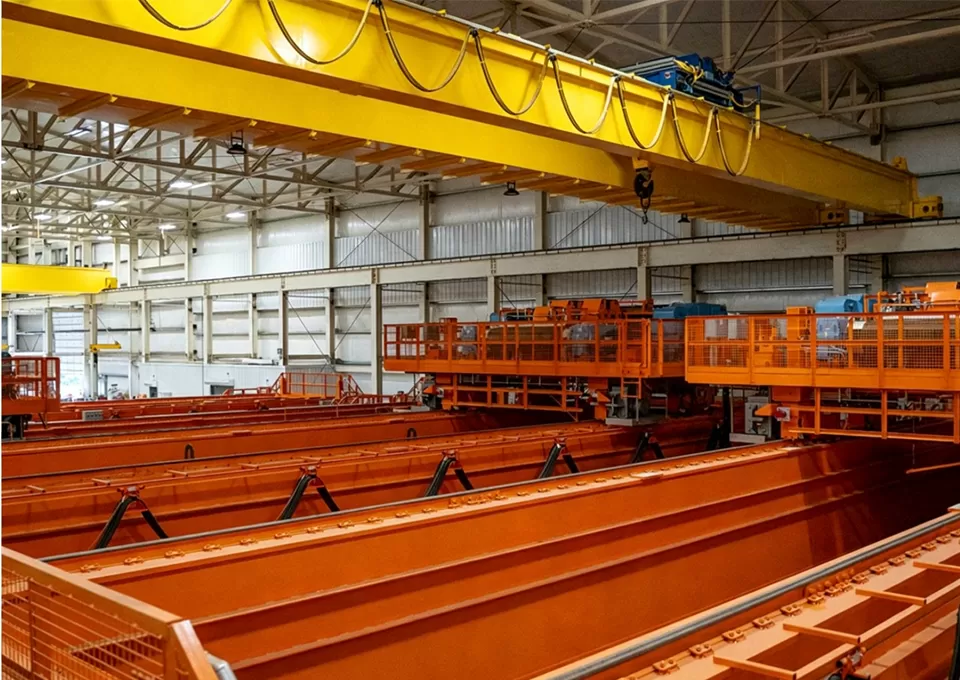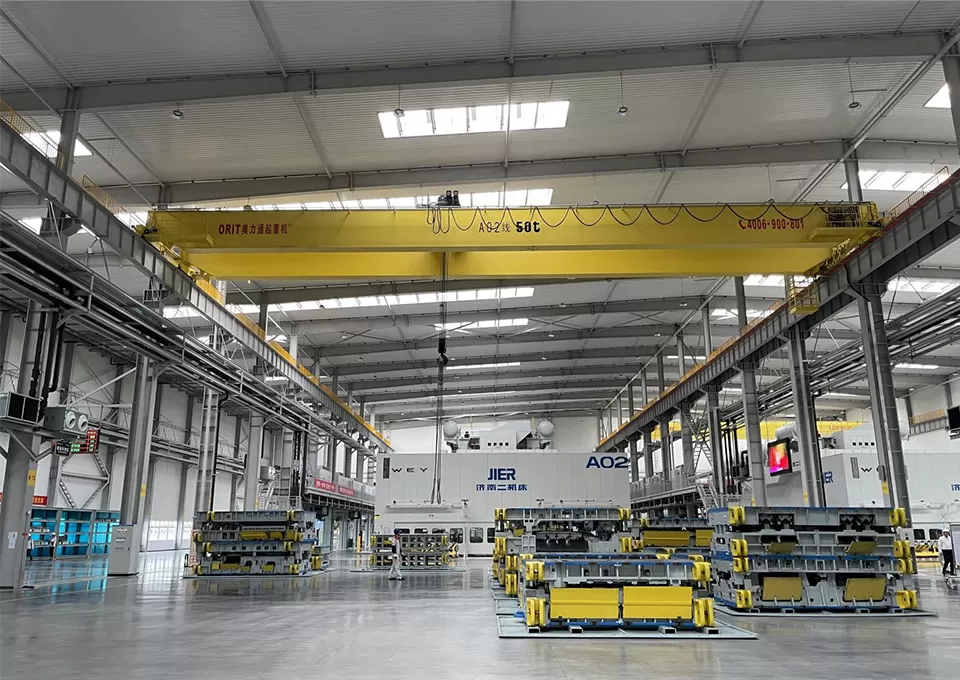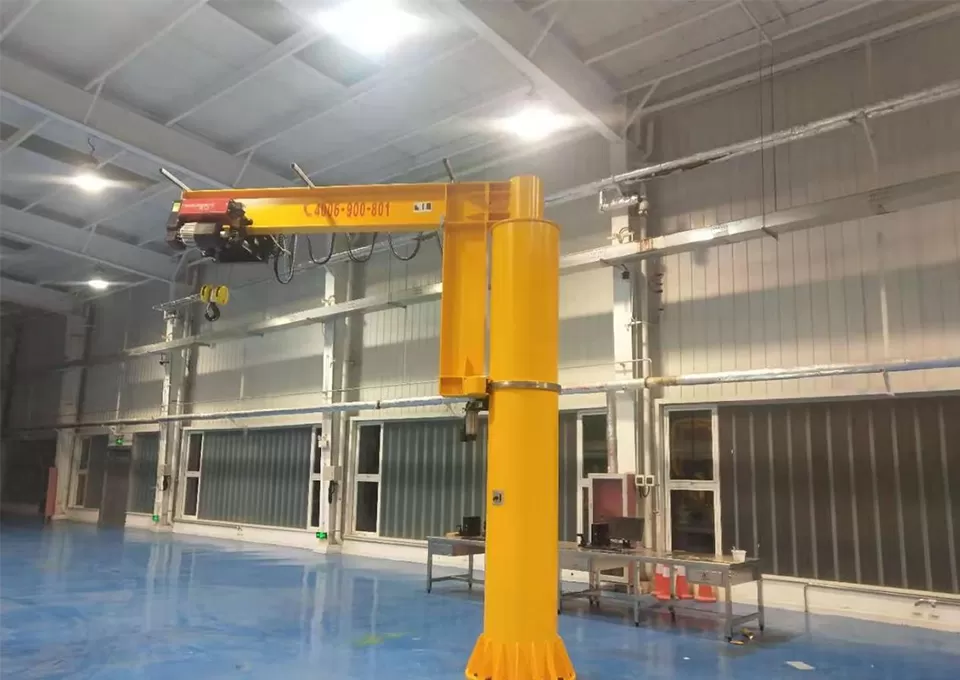
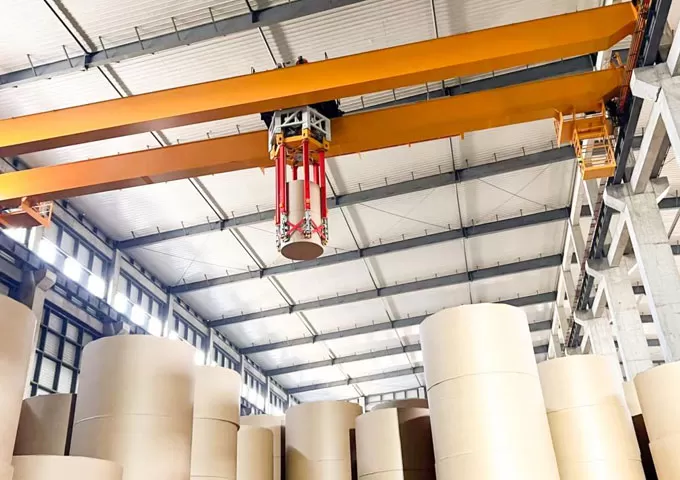
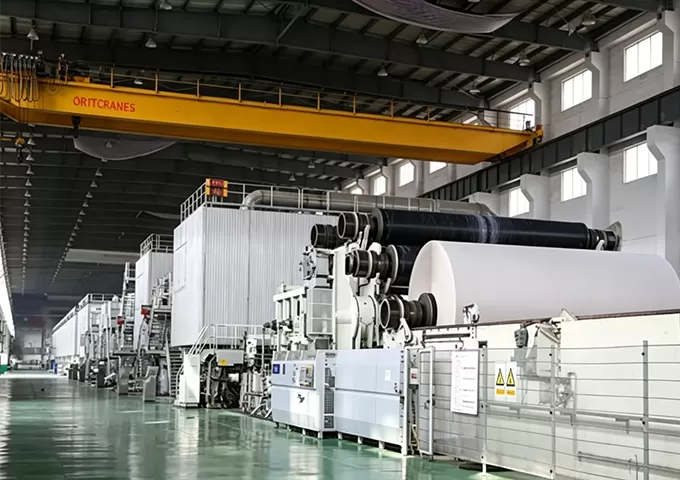
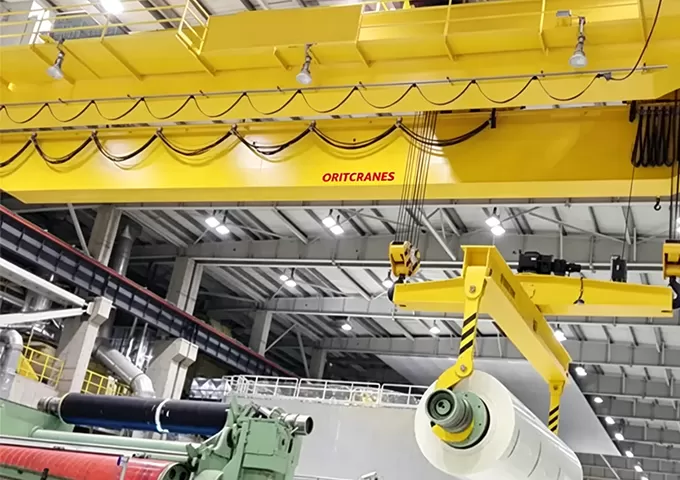
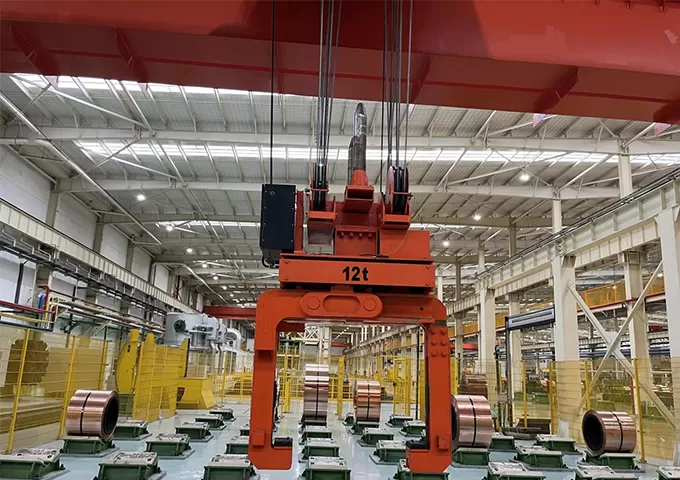
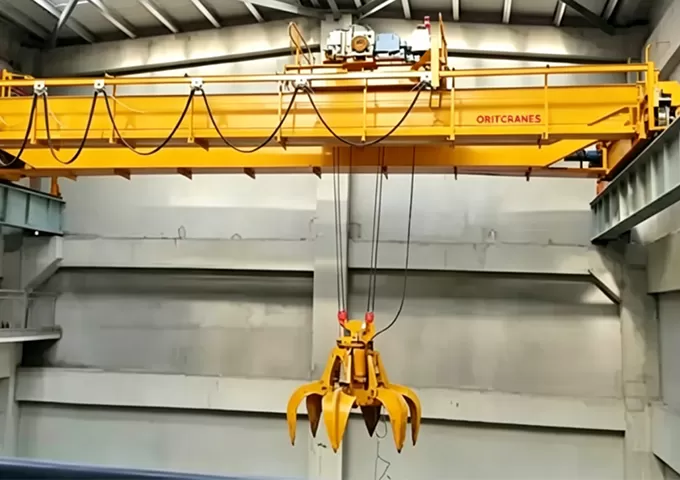
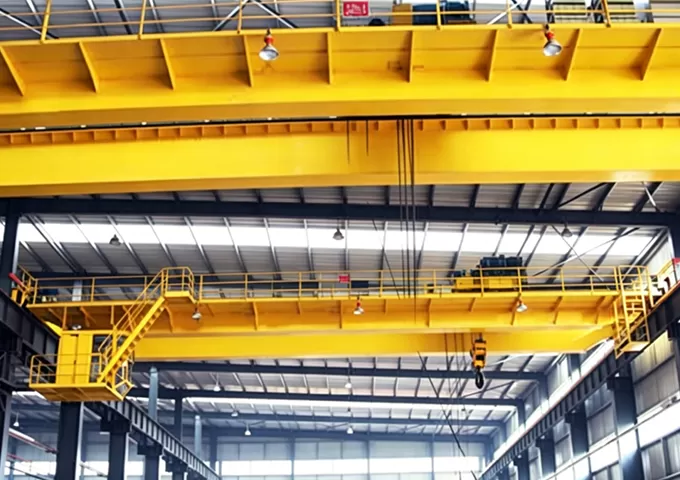
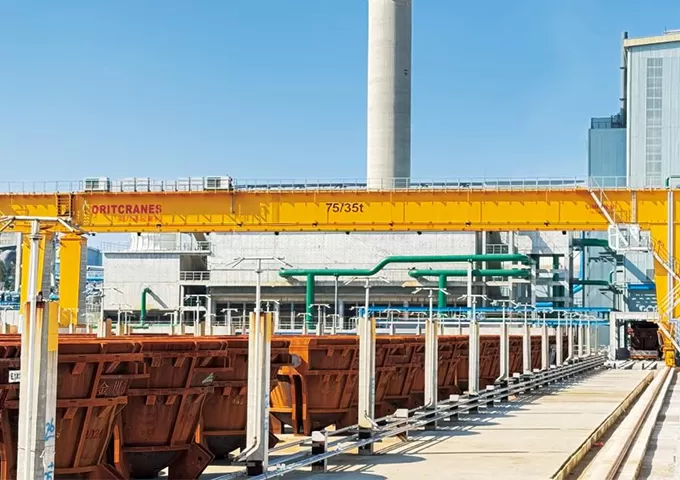
In the heart of every steel mill, where temperatures soar and massive loads move continuously, the difference between a standard overhead crane and a specialized metallurgical crane can mean the difference between profitable production and catastrophic downtime. The metallurgical working environment is complex and demanding, imposing higher requirements on crane structural design, safety performance, and reliability. Standard cranes, designed for general manufacturing environments, simply cannot withstand the extreme conditions that define steel production.
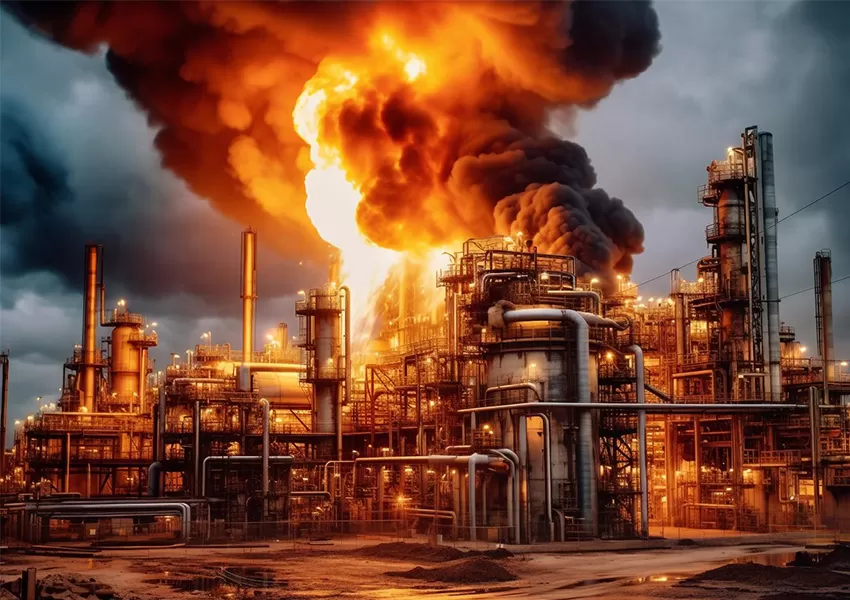
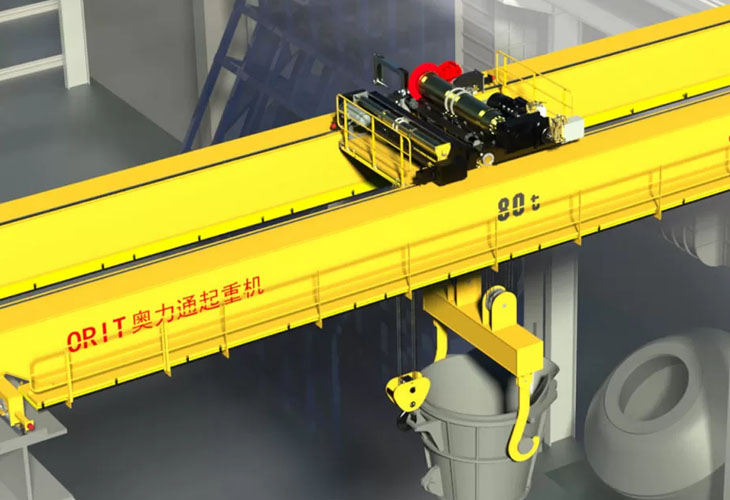
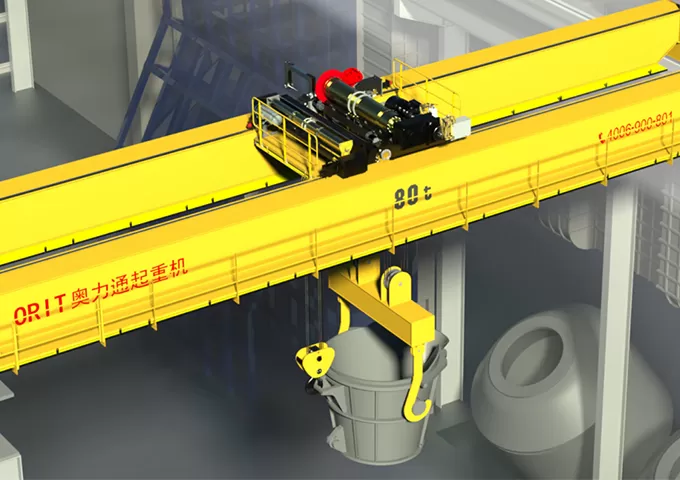
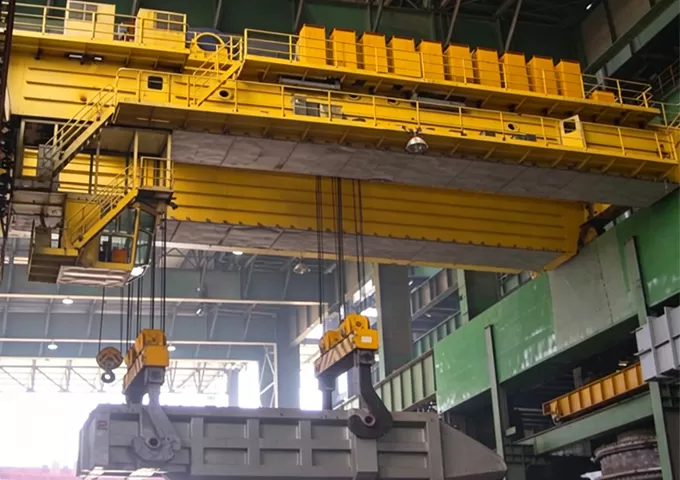
Steel production is a process of intense heat. In steelmaking, ironmaking, and casting processes, metallurgical cranes are directly involved in handling molten steel, molten iron, ladles, and high-temperature castings. The temperature of molten metal often exceeds 1400°C, and thermal radiation can severely damage crane steel structures, electrical systems, and critical components. General-purpose cranes lack the thermal protection necessary for this environment. Specialized metallurgical cranes, by contrast, must feature strong heat resistance, with thermal effects fully considered during the design stage. Oritcranes metallurgy cranes incorporate heat radiation reflectors, thermal baffles, and ingress protection ratings of not less than IP54 for electrical rooms and equipment to shield against heat, dust, and corrosive gases. Our high-temperature-resistant steel structures and ceramic fiber insulation systems ensure reliable operation in ambient temperatures up to 60°C or higher.
During metallurgical production, individual lifting weights are large and lifting operations are frequent. Cranes often operate under heavy-load or even full-load conditions for extended periods. Such conditions place extremely high demands on hoisting mechanisms, braking systems, wire ropes, and overall structural fatigue strength—requirements that ordinary industrial cranes cannot meet. Compared with general industrial cranes, metallurgical cranes must withstand heavier loads, higher operating frequencies, and long-term exposure to extreme environments. Oritcranes designs its metallurgical cranes with heavy and very heavy modes of operation (A6-A8 duty classifications), the highest ratings for continuous, severe-duty operation.
Most metallurgical plants adopt continuous production processes. Any equipment failure can lead to shutdowns of entire production lines, resulting in significant economic losses. Therefore, metallurgical cranes must not only function properly but also maintain long-term stability and reliability, with higher duty classifications and longer design service life. The safety margin for a metallurgical crane starts with its structural design and extends through multiple layers of redundancy. As new national safety standards continue to evolve, Oritcranes remains at the forefront, ensuring our products comply with all applicable ISO, GB, FEM, DIN, CMAA, BS, and JIS standards.
A steel mill is not a typical factory, and it cannot be served by typical cranes. The intense heat, relentless duty cycles, and critically high safety stakes demand equipment designed from the first bolt for this extreme environment. Specialized metallurgical cranes protect workers, safeguard expensive infrastructure, and keep production moving efficiently. At Oritcranes, our long-standing collaboration with European technology leaders, combined with our own engineering innovations and over 400 patents, enables us to deliver the robust, reliable, and intelligent lifting solutions that metallurgical plants around the world depend on.
Metallurgical cranes are built with higher structural strength (A6-A8 duty classifications), heat-resistant materials, dust-proofing, and multiple safety redundancies like dual braking systems and thermal protection. Standard cranes are not designed for the high temperatures, continuous heavy-duty operation, or critical safety requirements of metallurgical production.
Key features include heat radiation reflectors, thermal baffles under main girders, rock wool insulation in electrical rooms, IP54+ protection ratings, high-temperature-resistant cables, and Class H insulated motors capable of withstanding ambient temperatures up to 60°C or higher.
Metallurgical cranes are designed for heavy and very heavy modes of operation, typically rated A6, A7, or A8 duty classifications—the highest ratings for continuous, severe-duty operation.
Standard safety redundancies include dual braking systems on hoists, overload protection, limit switches, anti-sway control, emergency stop devices, and fault self-diagnosis systems. For critical equipment like ladle cranes, regular functional testing and braking performance verification are essential.
Oritcranes holds Grade A Production License for Special Equipment in China, plus ISO, CE, and ATEX certifications. Our products comply with ISO, GB, FEM, DIN, CMAA, BS, and JIS standards and are exported to over 50 countries and regions worldwide.
For more detailed specifications, engineering consultations, or to request a site assessment, you can also explore industry standards and best practices through resources from the HSCRANE.