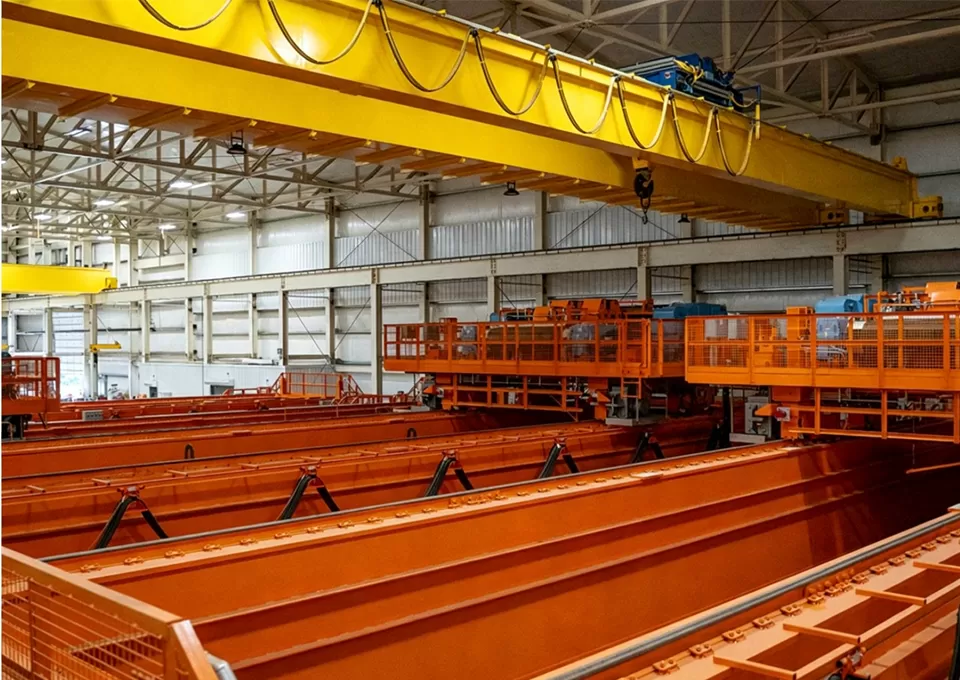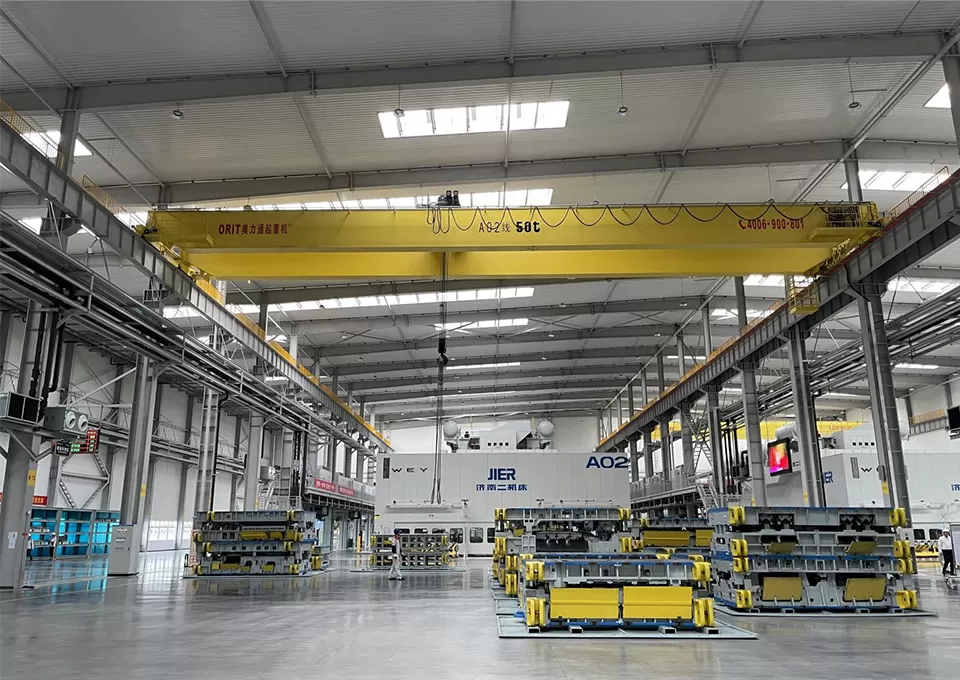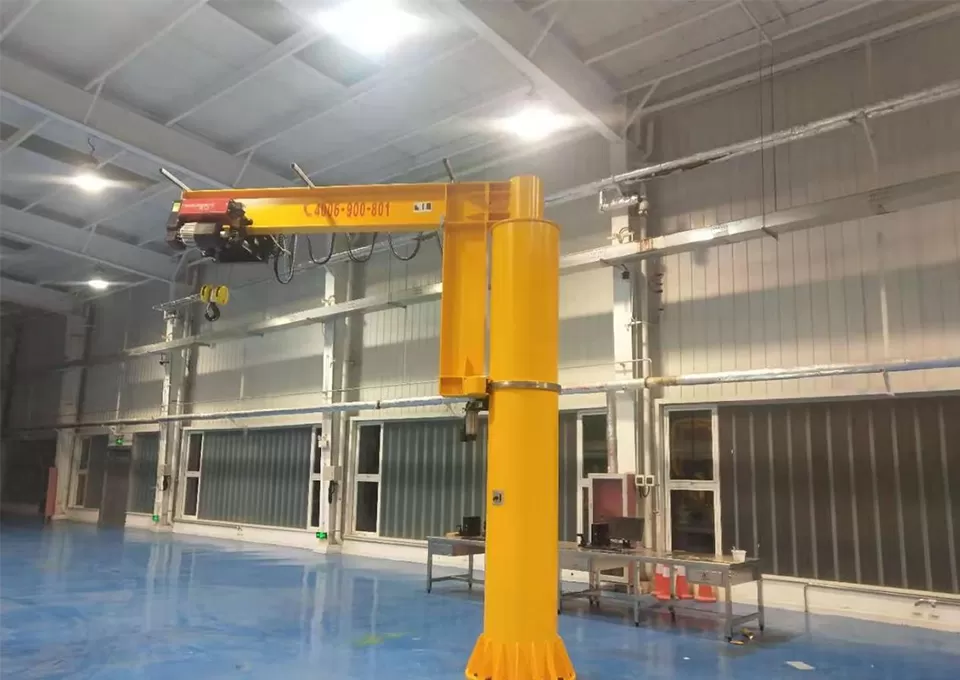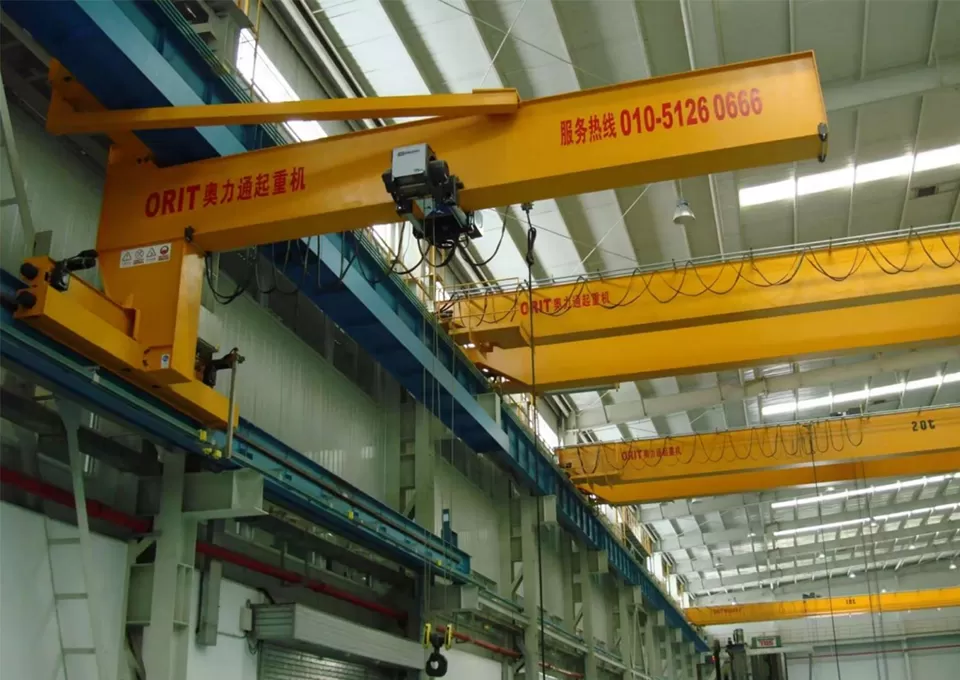
In the nuclear power industry, where safety is paramount and the margin for error is zero, the equipment used to handle heavy components must be engineered to an exceptional standard. Cranes in these facilities move massive, safety-sensitive components—sometimes weighing hundreds of tons—under some of the most carefully controlled conditions in the world. Unlike standard overhead cranes found on factory floors, nuclear cranes are classified as safety-related and are designed to keep working safely in situations where failure is not an option.
During the construction phase, specialized cranes are essential for handling and positioning the massive components that form the heart of the nuclear facility. Nuclear-rated cranes are built to the ASME NOG-1 Type 1 Single Failure Proof standard, with lifting capacities often exceeding 150 tons. These cranes must handle the assembly of reactor pressure vessels, steam generators, and other critical equipment with pinpoint accuracy, often requiring positioning precision of ±5mm for trolleys and hoist beams.
Once the plant is operational, the crane's function continues to be indispensable. Polar cranes, operating on a circular runway near the spring line of the containment building, are primarily used for the removal and replacement of the reactor head during refueling outages. These outages are critical periods when the reactor is shut down to replace a portion of the nuclear fuel. During these windows, the crane performs tasks such as:
Fuel assembly handling: The safe and precise removal and replacement of nuclear fuel assemblies.
Reactor internal component handling: Removal and replacement of internal structures within the reactor vessel.
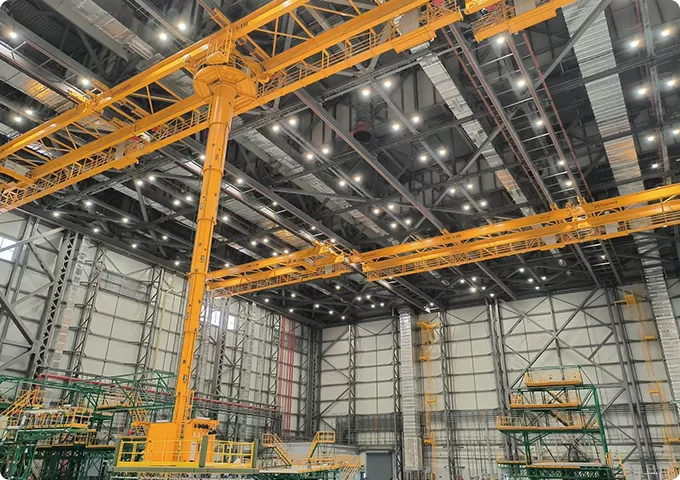
Modern polar cranes are designed for multipurpose usage, combining numerous lifting features into a single compact and weight-efficient trolley, including a main hoist, auxiliary hoist, maintenance jib crane, and containment inspection man lift.
The role of nuclear cranes extends across the entire operational life of the facility. They are used for the removal, replacement, and maintenance of equipment, ensuring the plant can continue to operate safely and efficiently. Features such as seismic durability classification, emergency retrieval systems, and redundant travel motors ensure reliable performance even after seismic events. Finally, during the decommissioning phase, cranes are again critical for transporting equipment and materials out of the reactor building after the plant is retired from service, including handling radioactive and caustic environments.
The demanding functions of nuclear cranes are made possible by a design philosophy rooted in redundancy and fail-safe operation. Nuclear cranes must meet strict standards established by ASME NOG-1 and U.S. Nuclear Regulatory Commission NUREG-0554. They are designed to be "single-failure-proof"—meaning that if any single component fails, the crane must still be able to hold and control the load safely. Key features of modern nuclear cranes include:
Single failure proof hoist assembly for critical lifts
Seismic durability classification to withstand earthquakes
Redundant travel motors and fail-safe operator controls
Radiation-resistant coatings and components
Automated operation allowing operation without personnel entering the nuclear island for decades
3D positioning display systems to display the exact position of the hook
Nuclear power plant cranes are far more than simple lifting devices; they are fundamental pieces of safety-critical infrastructure that enable the construction, operation, maintenance, and eventual decommissioning of a nuclear facility. The combination of massive lifting capacity, pinpoint precision, and single-failure-proof design makes them indispensable for the nuclear industry. At Oritcranes, our engineering expertise and commitment to quality allow us to provide specialized lifting solutions that meet the rigorous demands of the nuclear sector, ensuring safety and reliability on every lift.
Nuclear cranes are classified as "safety-related" and are designed to be "single-failure-proof"—meaning if any single component fails, the crane can still safely hold the load. They must meet strict standards like ASME NOG-1 and NUREG-0554, and are built with seismic durability, redundant systems, and radiation-resistant components.
A polar crane is a specialized 360-degree overhead crane that operates on a circular runway located near the top of the containment/reactor building. It is primarily used for removing and replacing the reactor head during refueling outages, as well as handling fuel assemblies and other critical tasks.
Nuclear cranes handle massive, safety-sensitive components such as reactor pressure vessels, steam generators, and fuel assemblies. They often have lifting capacities of 150 tons or more, with some exceeding 175 tons for main hoists.
Nuclear cranes must comply with standards established by the American Society of Mechanical Engineers (ASME NOG-1) and the U.S. Nuclear Regulatory Commission (NUREG-0554). These standards define how nuclear cranes are built, tested, and maintained.
Yes. Oritcranes is an experienced manufacturer of specialized cranes, including for the nuclear power industry. Our portfolio includes nuclear cranes designed to meet the high safety and reliability standards of the sector, backed by advanced European technology and our significant engineering experience.
For more detailed specifications, engineering consultations, or to request a site assessment, please explore industry standards and best practices through resources from the KuangShan.