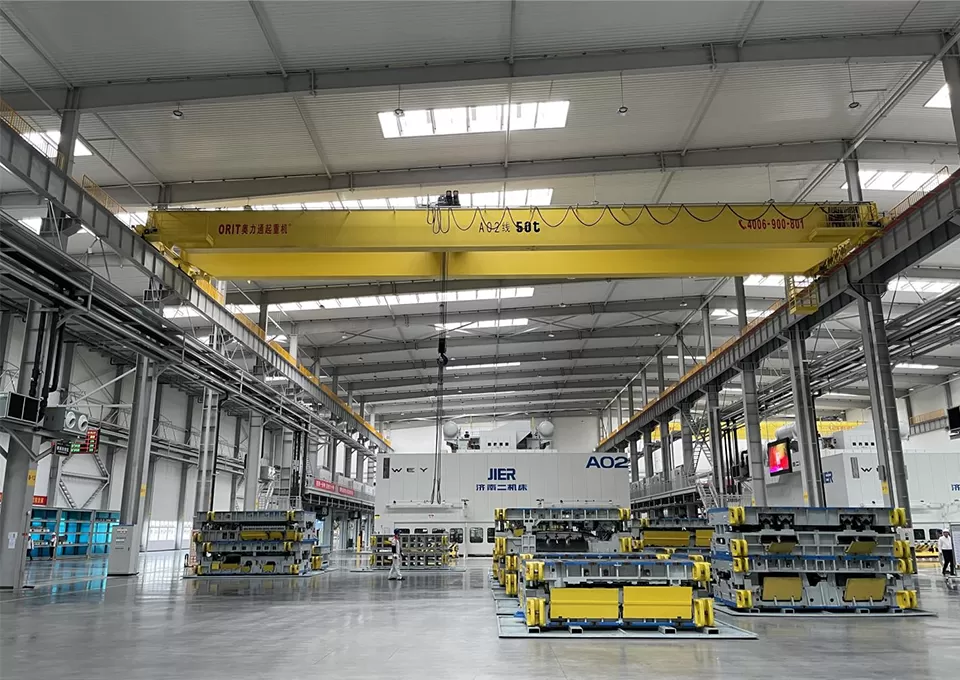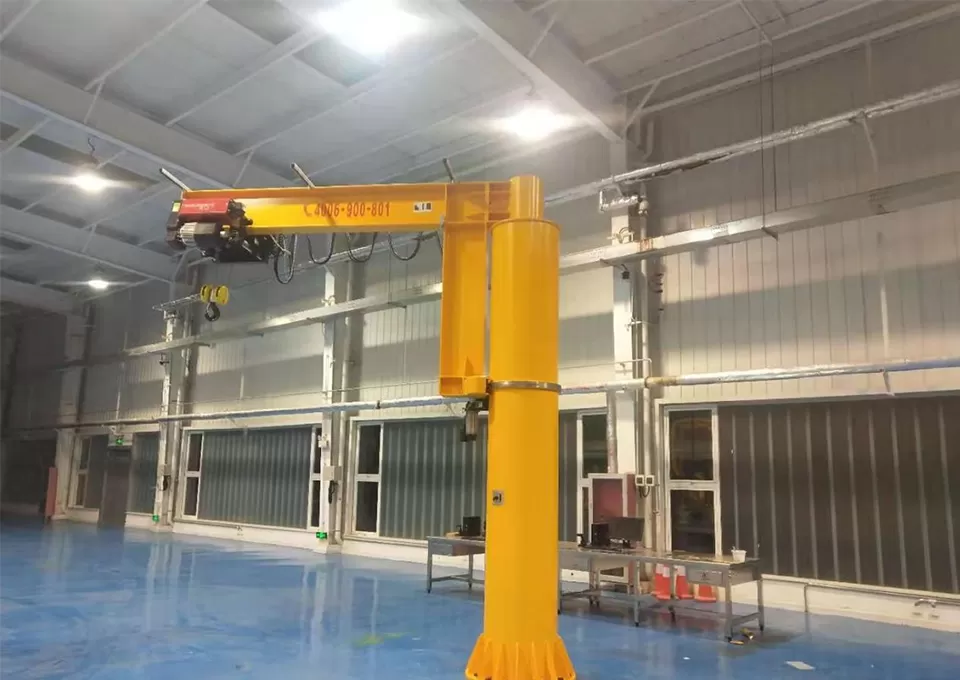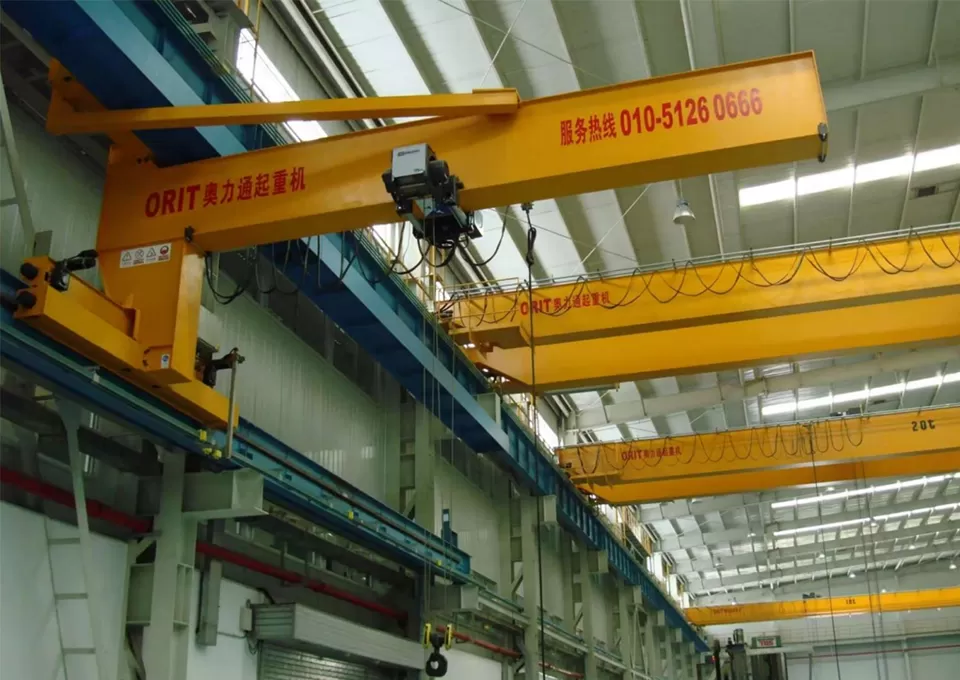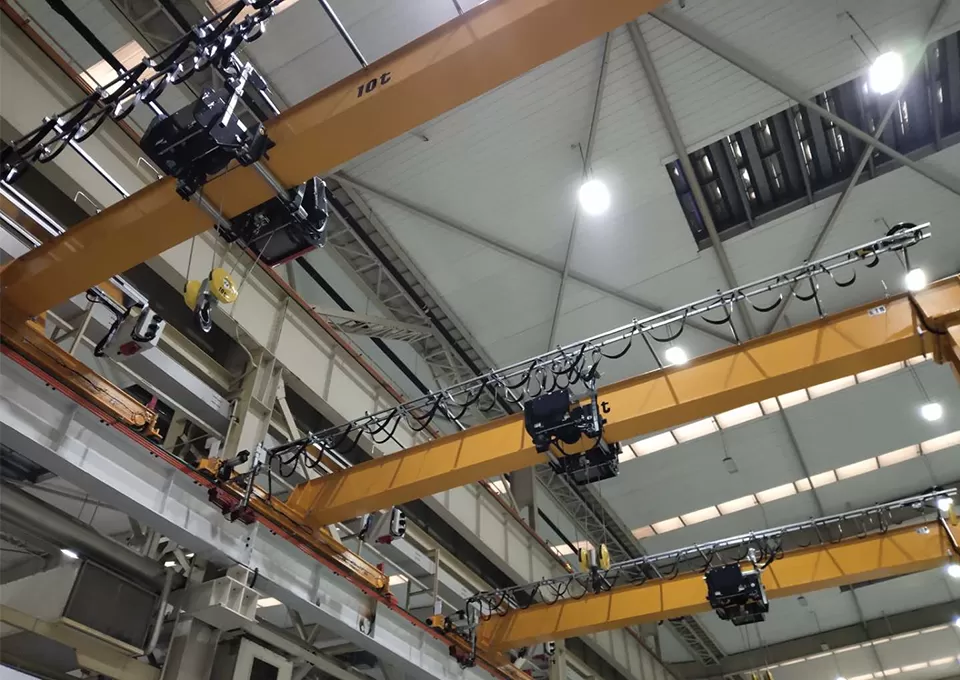
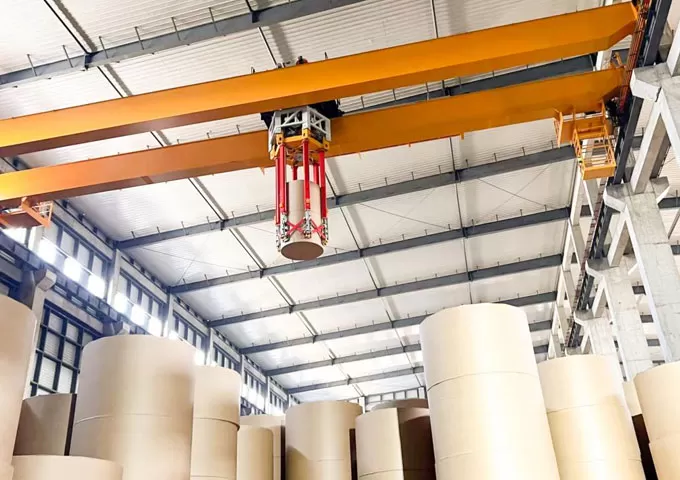
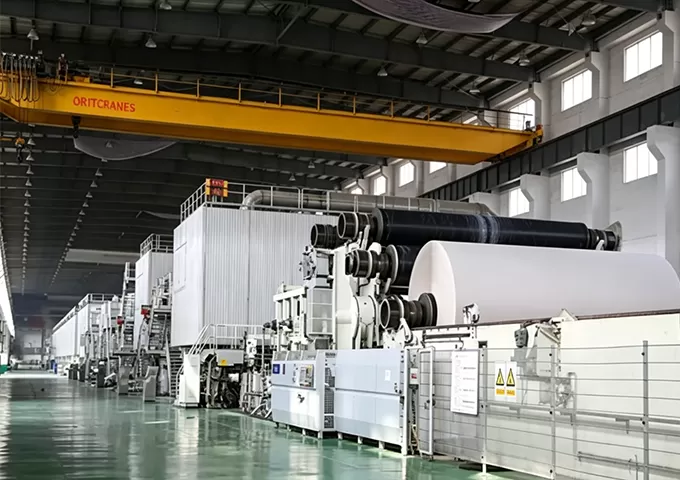
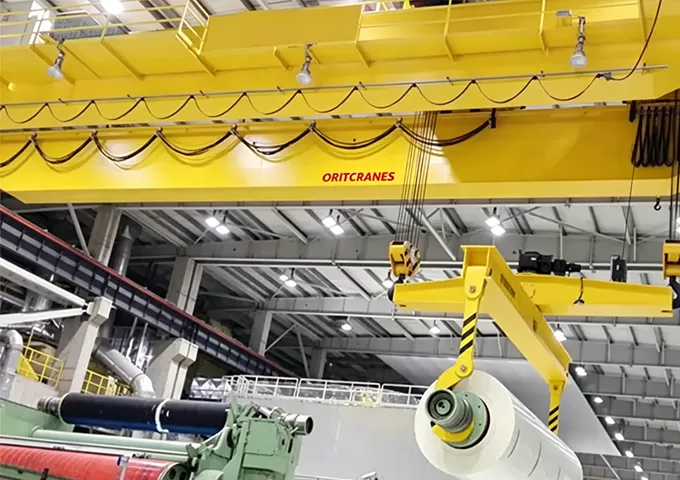
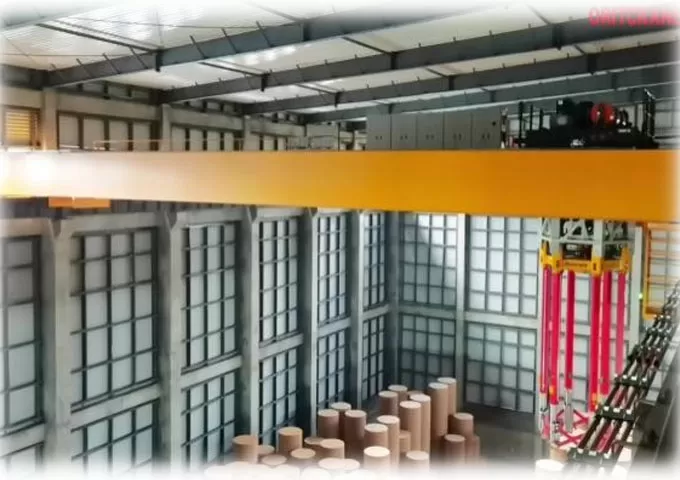
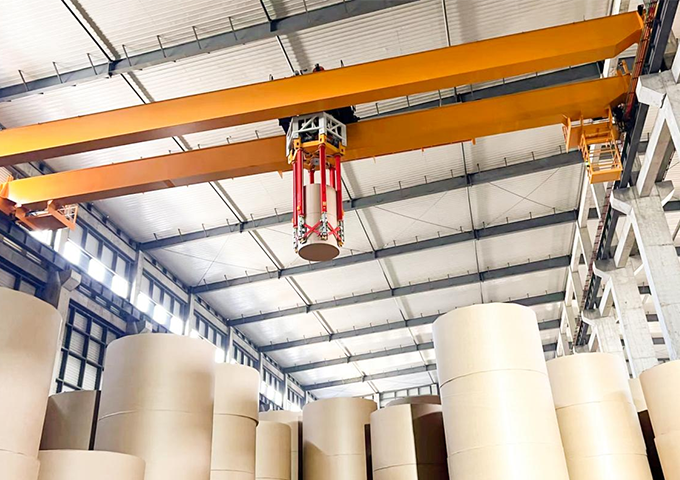
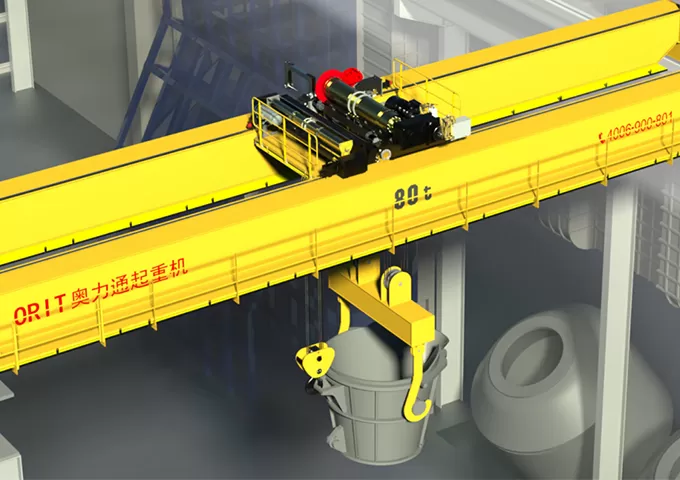
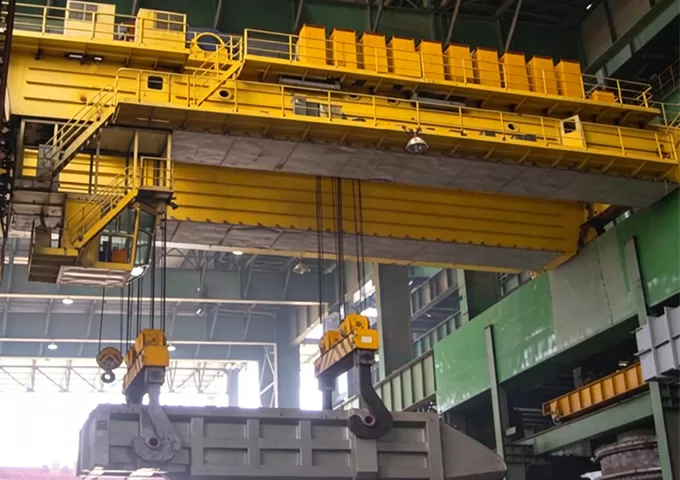

Modern warehouses need efficient ways to move materials between receiving areas, storage locations, production lines, and shipping zones. A warehouse crane can help manage heavy or bulky loads while making better use of available floor space. When integrated with inventory software and automated handling equipment, a warehouse crane system can also improve storage accuracy, reduce unnecessary movement, and support consistent material flow. Successful implementation depends on load requirements, building geometry, crane configuration, and the level of automation required.

A warehouse crane moves loads horizontally and vertically within a defined working area. Depending on the facility, it may handle pallets, steel coils, machinery, long products, containers, or other unit loads using an appropriate lifting attachment.
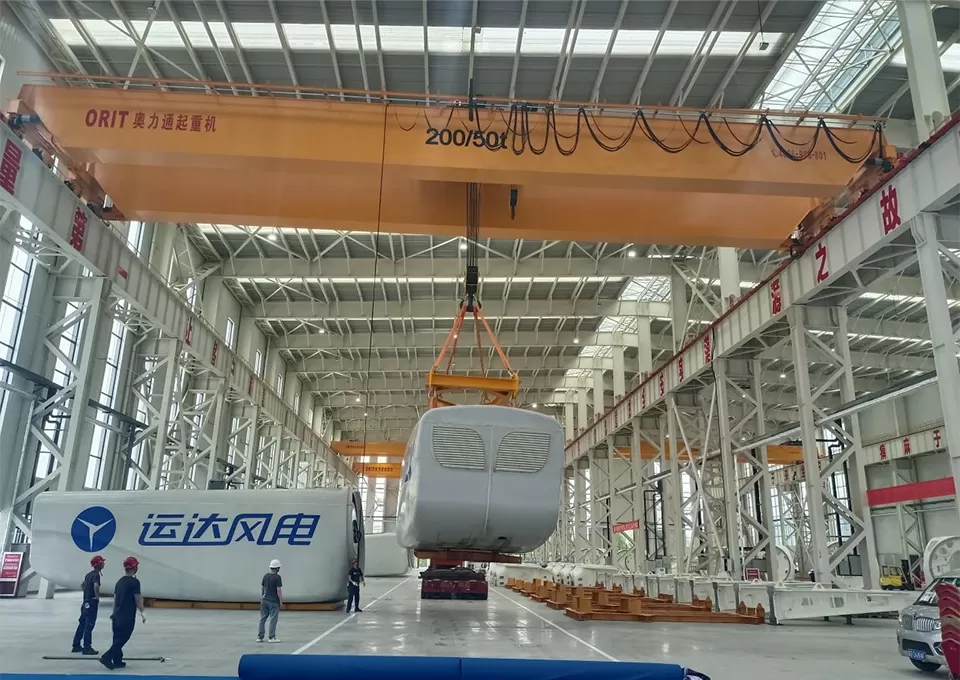
Unlike conventional forklifts, which require accessible travel aisles, an overhead crane in a warehouse can move loads above floor-level operations. This can be useful in facilities handling heavy goods or storing materials in designated bays. However, the crane's working area, runway arrangement, and loading points must be planned carefully to avoid conflicts with people and other equipment.
A warehouse crane system can support several operations:
Receiving and unloading: Transferring materials from delivery points to inspection or staging areas.
Storage and retrieval: Moving loads between designated storage locations and picking stations.
Production supply: Delivering components or raw materials to manufacturing workstations.
Dispatch preparation: Moving finished goods to packing, consolidation, or shipping areas.
The crane should be selected around the facility's actual material flow. Load dimensions, handling frequency, travel distances, and required throughput all affect equipment sizing and system performance.
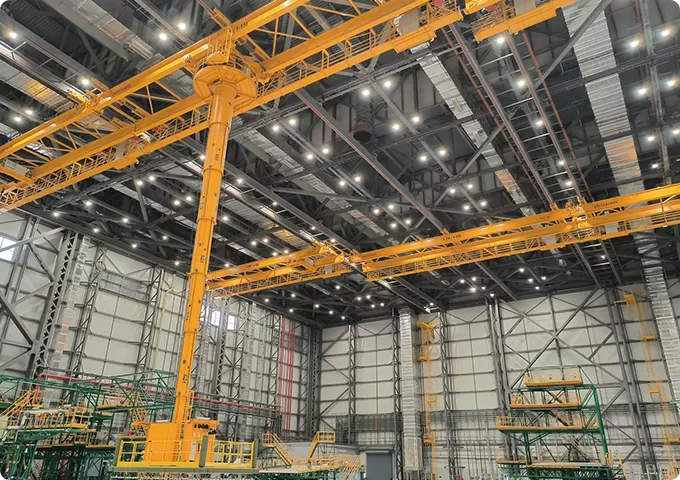
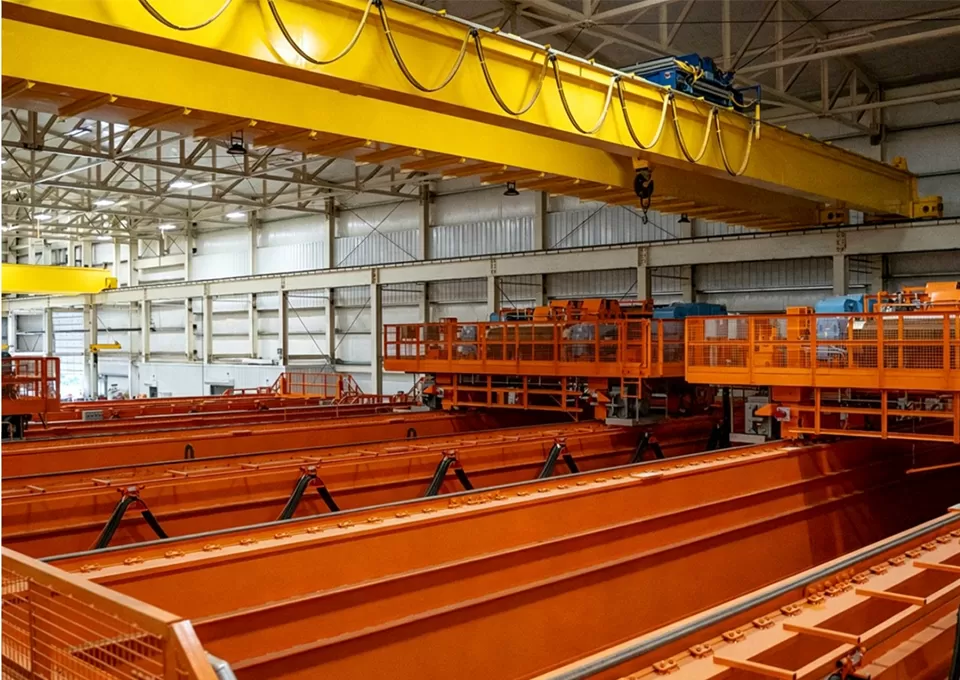
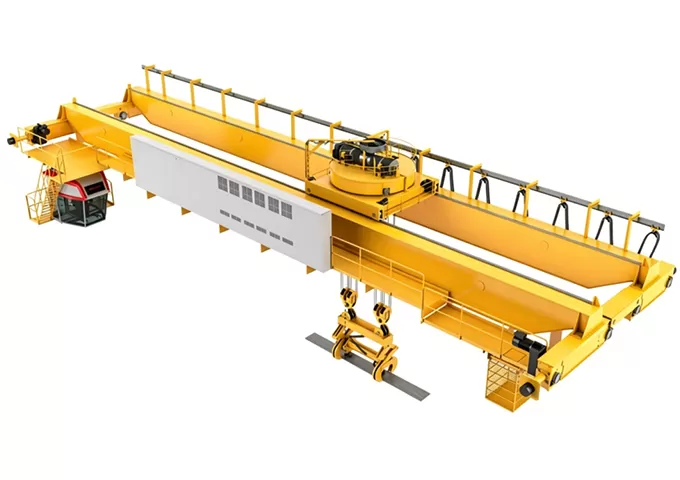
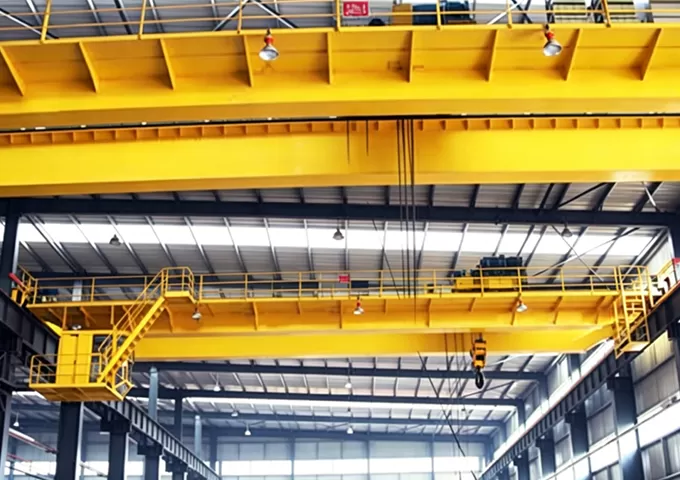
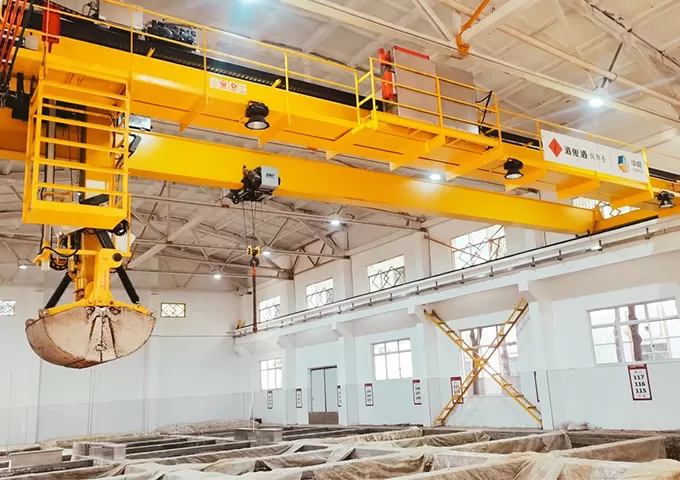
A warehouse bridge crane typically travels along elevated runways, with a bridge spanning the working area and a hoist moving along the bridge. The exact configuration depends on building structure, lifting capacity, available headroom, and required coverage.
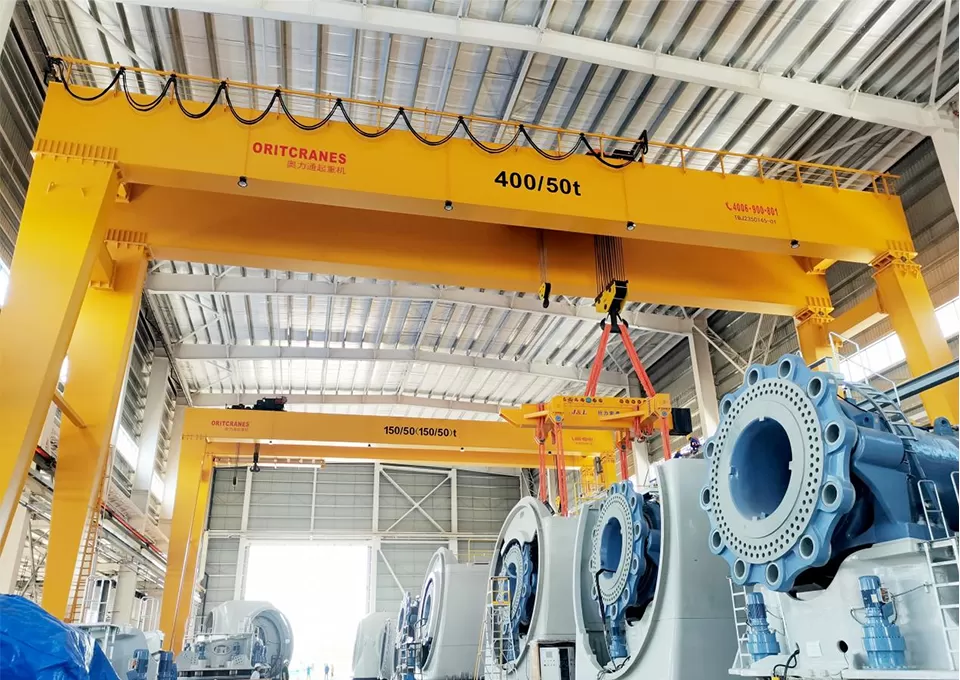
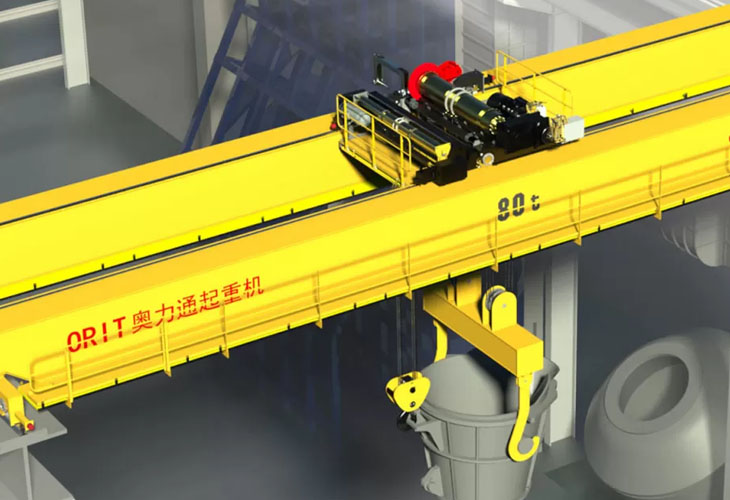
Single-girder cranes may be suitable for many light- to medium-duty applications where the required capacity and span fall within the manufacturer's design range. Double-girder configurations may be considered for higher capacities, longer spans, greater lifting heights, or specialized lifting arrangements. Final selection requires an engineering assessment rather than a general assumption that one design is always preferable.
A warehouse bridge crane can be designed for operator control, radio control, or integration with automated equipment. In each case, the facility needs appropriate access provisions, maintenance clearances, end stops, travel limits, and protective systems.
The runway and supporting building structure must also be assessed. Existing warehouse columns and foundations should not be assumed capable of supporting crane loads without verification. Wheel loads, dynamic effects, and structural requirements should be reviewed during planning.
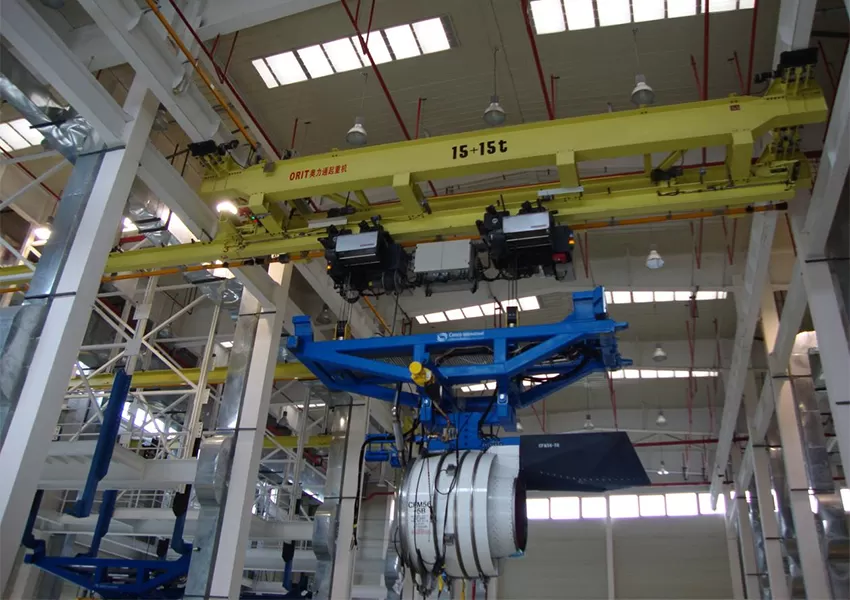
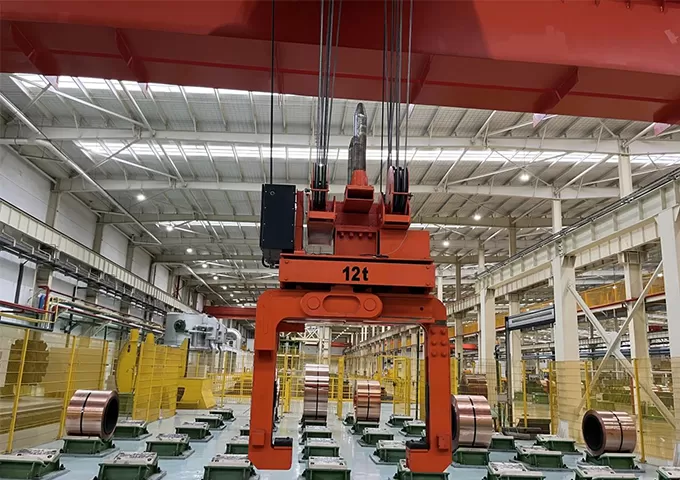
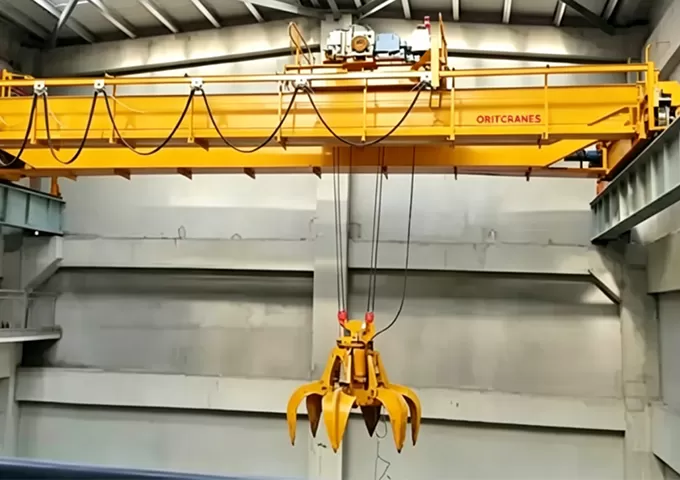
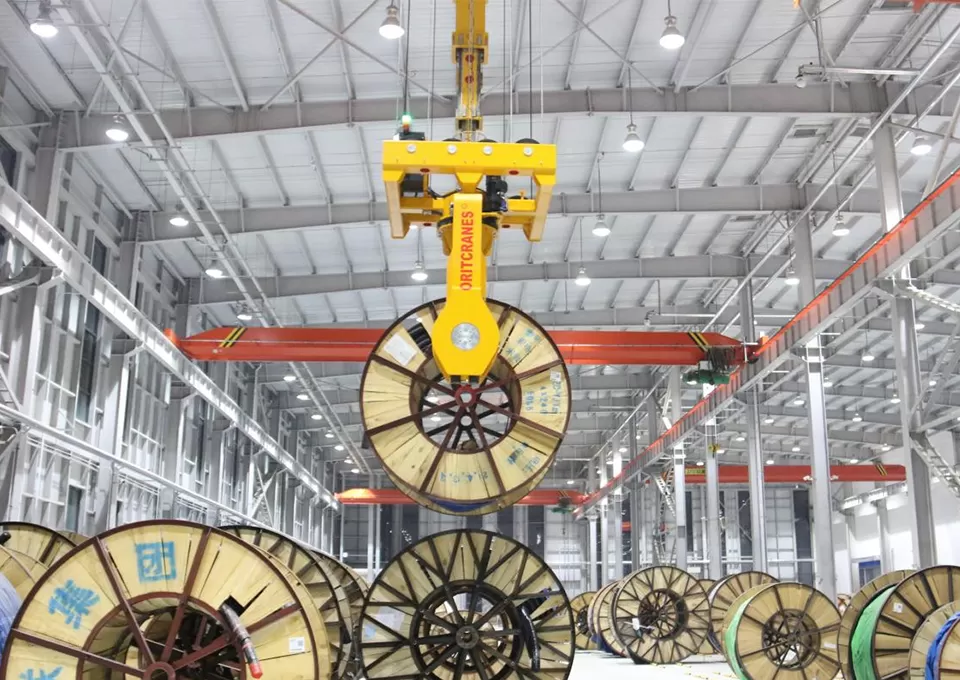
The lifting device determines how the crane engages and transports the load. Standard hooks may work for suitable loads with approved lifting points, while specialized materials may require dedicated attachments.
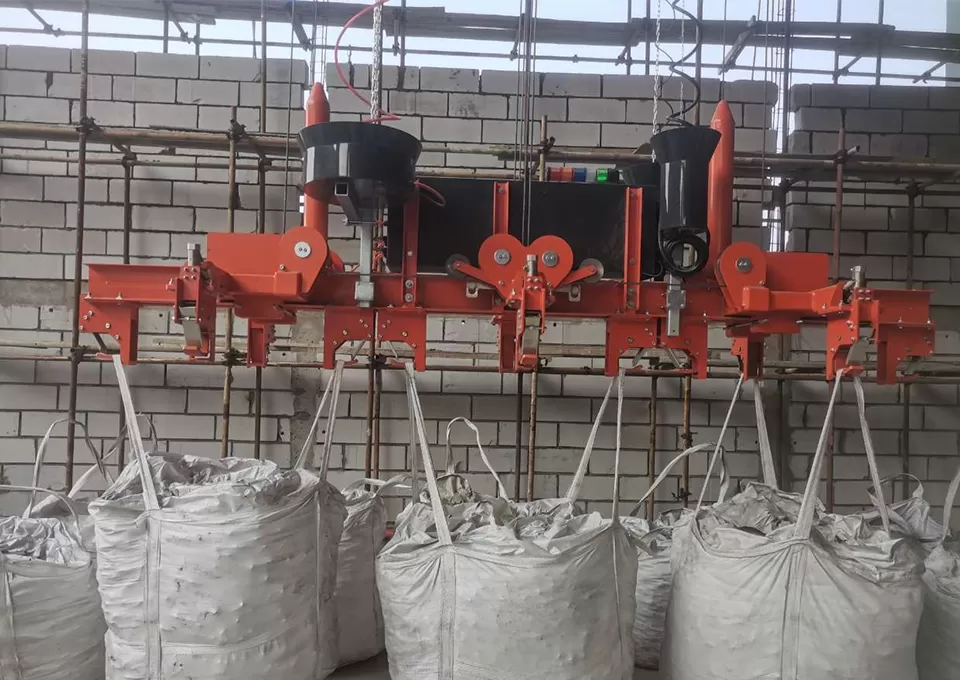
Common options include lifting beams, grabs, coil hooks, pallet-handling devices, and other application-specific equipment. Automated warehouses may use fixtures or interfaces designed to maintain consistent load orientation during transfer.
Before selecting a device, confirm the load's weight, shape, center of gravity, surface sensitivity, and lifting points. The combined weight of the load and attachment must remain within the crane's rated capacity. The attachment must also suit the required movement and the possibility of load sway.
Where loads vary significantly, the design should account for the full range of products rather than the most common item alone. Incorrect attachment selection can create instability, damage materials, or restrict the crane's operating envelope.
Automation can connect crane movements with warehouse management systems, production schedules, and material tracking processes. Depending on project requirements, integration may include task dispatch, predefined positioning, load identification, status feedback, and performance monitoring.
A successful integration requires reliable data exchange and clearly defined operating rules. The control system needs accurate information about storage locations, load identity, destination points, and equipment availability. Incorrect inventory data or ambiguous task priorities can create delays even when the crane itself operates correctly.
Key integration considerations include:
Position feedback: Confirm the crane can identify its location with the accuracy required by the application.
Load identification: Use suitable identification methods where automated tracking is required.
System interfaces: Define how the crane exchanges tasks and status information with warehouse software.
Fault recovery: Establish safe procedures for communication loss, sensor faults, or interrupted movements.
Automation should be introduced with a clear operational objective, such as reducing manual travel, improving location accuracy, or increasing throughput. A staged implementation can help teams validate performance before expanding the system.
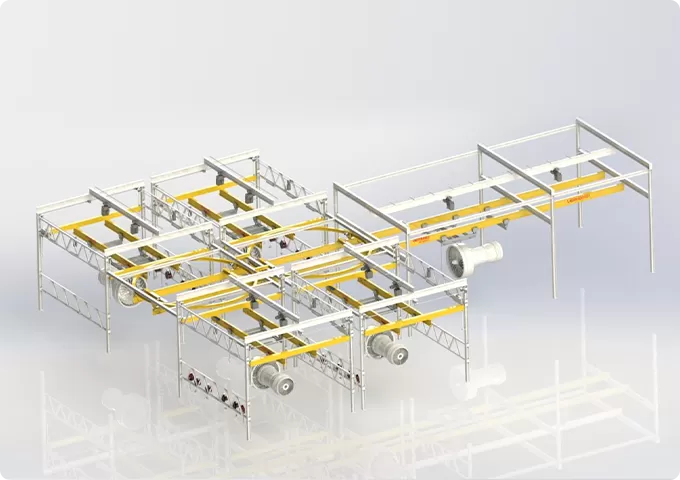
Warehouse crane layout planning begins with mapping material routes, storage positions, receiving points, dispatch areas, and production interfaces. The crane's coverage should match the required handling tasks while avoiding obstructions and unnecessary travel.
Planning factor | Key question | Why it matters |
|---|---|---|
Load profile | What are the maximum weight and dimensions? | Determines capacity and handling-device requirements |
Span and coverage | Which bays must the crane serve? | Defines runway and bridge configuration |
Lifting height | What is the highest required load position? | Influences headroom and hoist selection |
Throughput | How many movements occur per hour or shift? | Helps establish cycle-time requirements |
Building structure | Can the building support the required loads? | Supports safe structural design |
Automation | What data and positioning functions are needed? | Determines control-system integration |
Designers should also consider inspection access, emergency routes, lighting, maintenance shutdowns, and future expansion. The most efficient layout is not necessarily the one with the shortest travel distance; it must also support safe operation, reliable access, and manageable maintenance.
A warehouse crane system can improve material flow by moving loads across defined storage and handling areas while reducing reliance on floor-level transport in suitable applications. The best solution depends on capacity, span, lifting height, building structure, load-handling devices, and automation requirements. Careful layout planning helps ensure that the crane supports warehouse productivity without compromising safety or maintainability.
It moves materials between receiving, storage, production, and dispatch areas. The exact application depends on the crane configuration and load-handling equipment.
A bridge crane is a type of overhead crane. The terms are often used interchangeably, although the precise configuration should be confirmed from the equipment specification.
Yes. Suitable systems can exchange task instructions, location information, and operating status, provided the software interfaces and control requirements are properly defined.
Evaluate load capacity, dimensions, span, lifting height, handling frequency, building structure, safety requirements, and the level of automation needed.