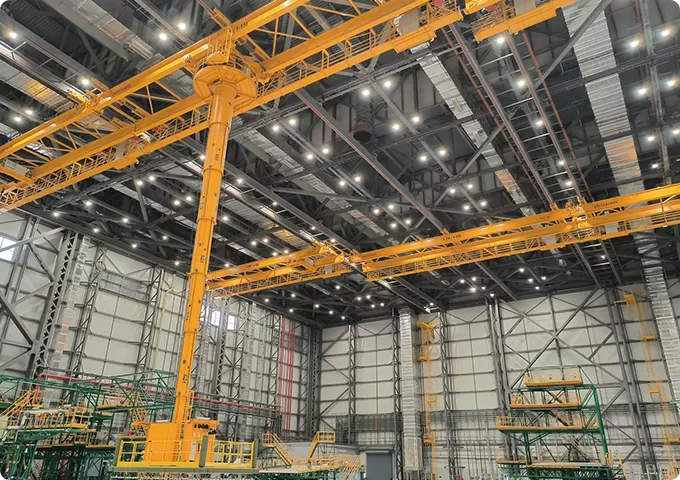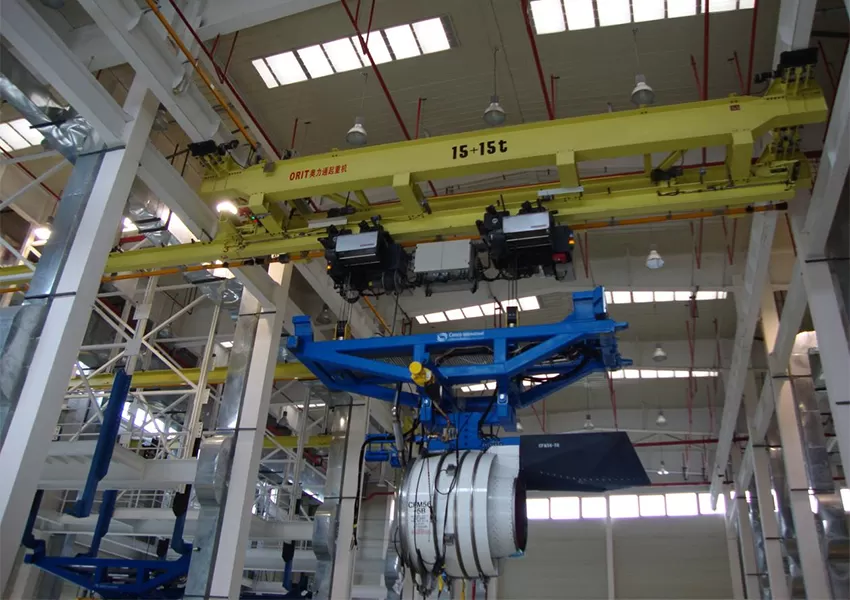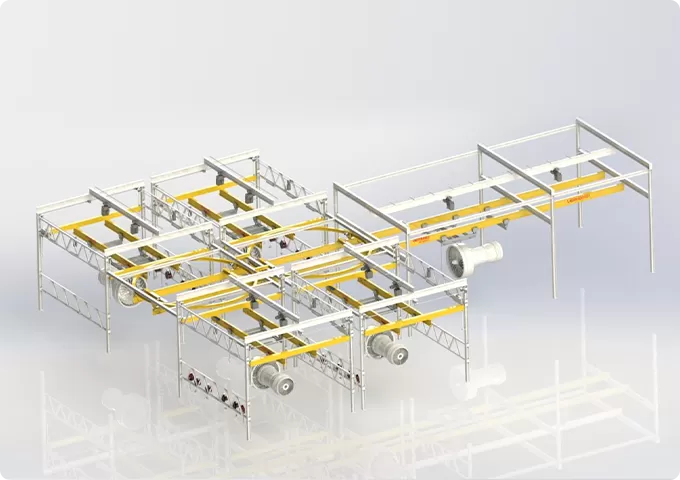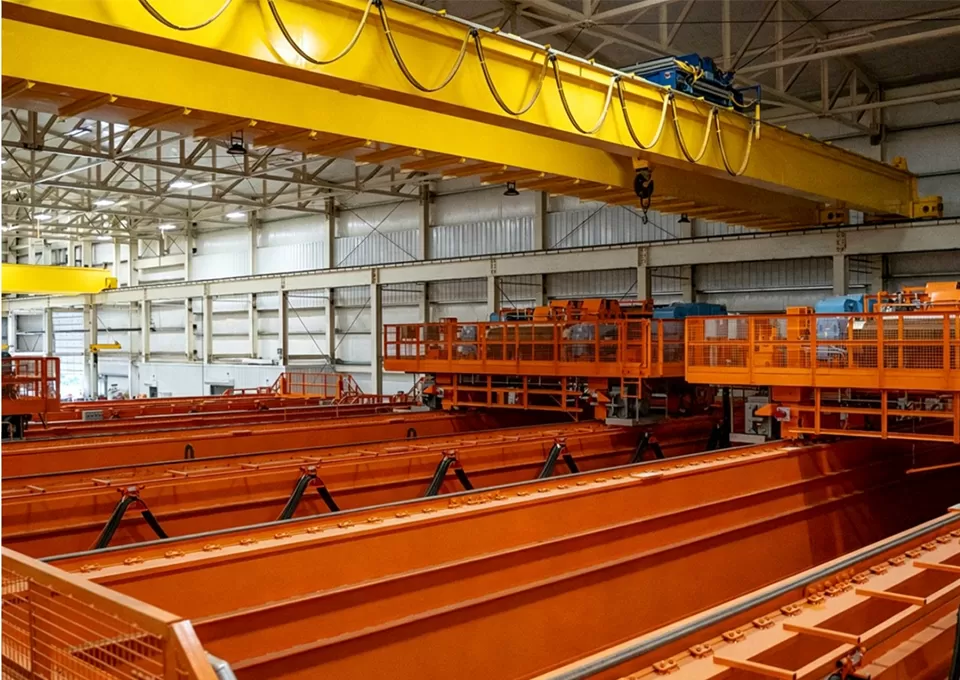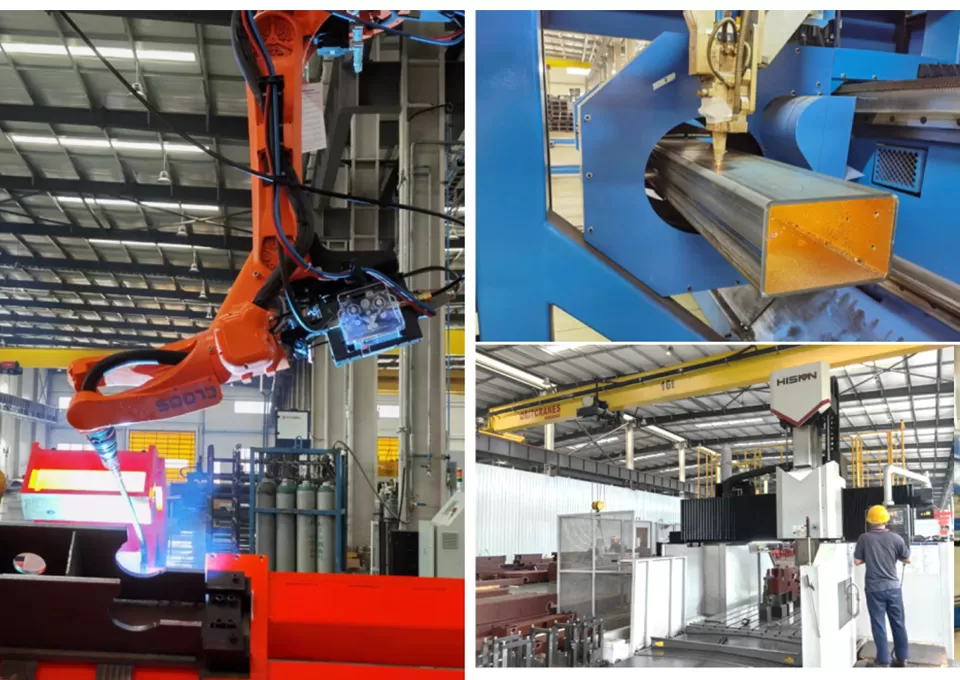
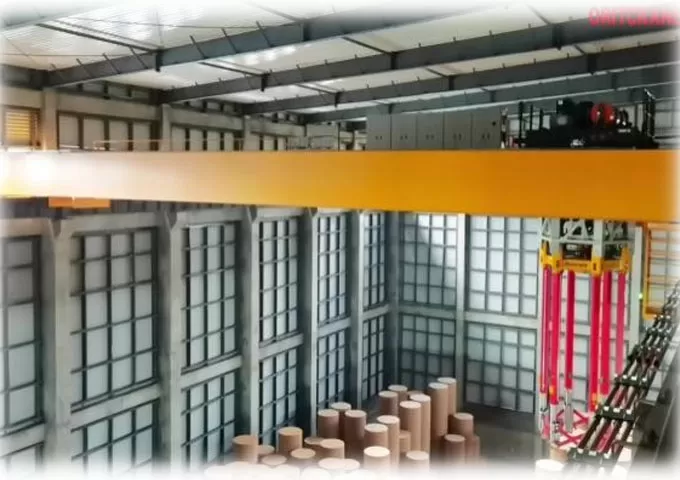
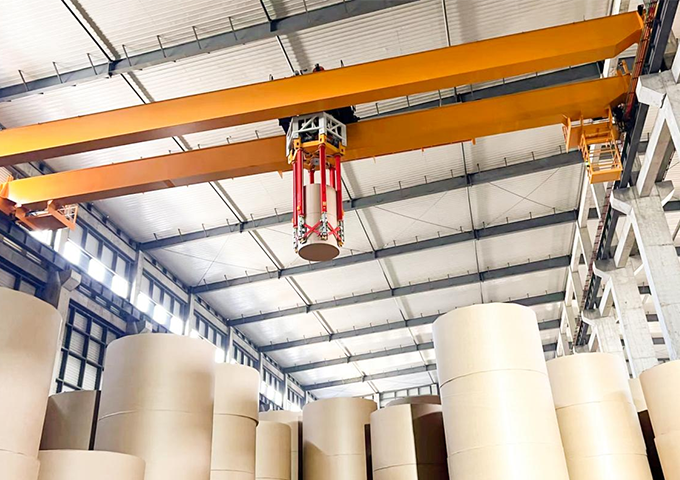
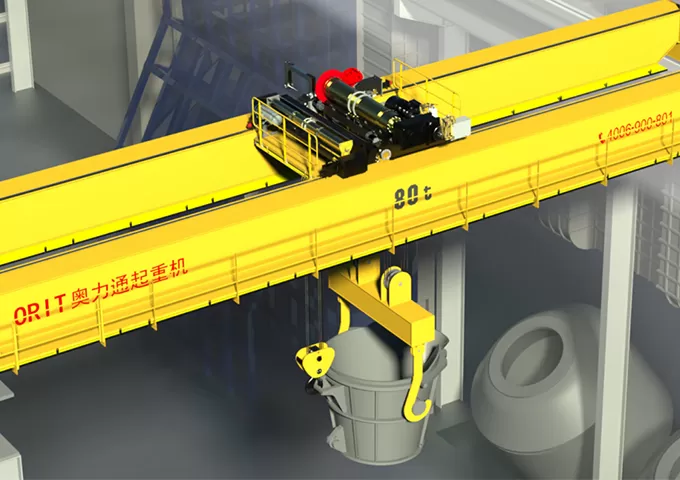
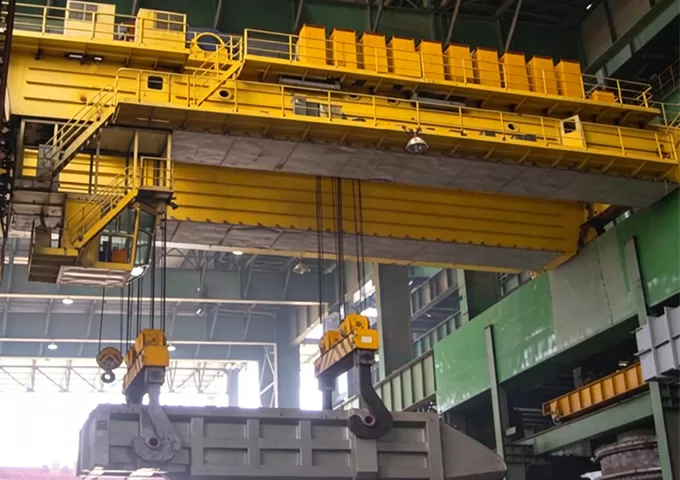

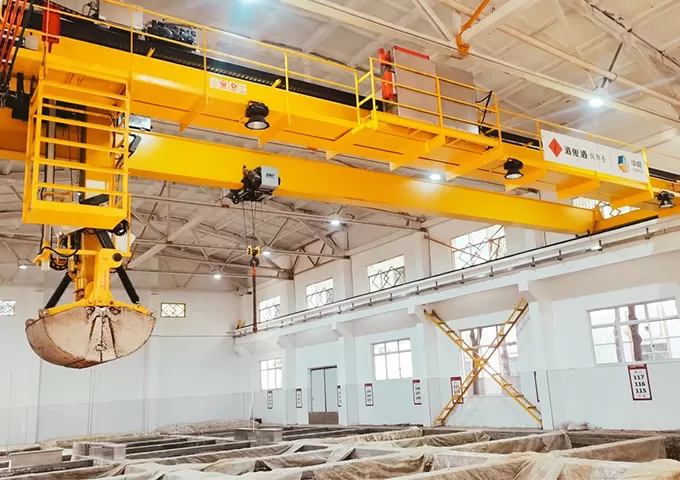
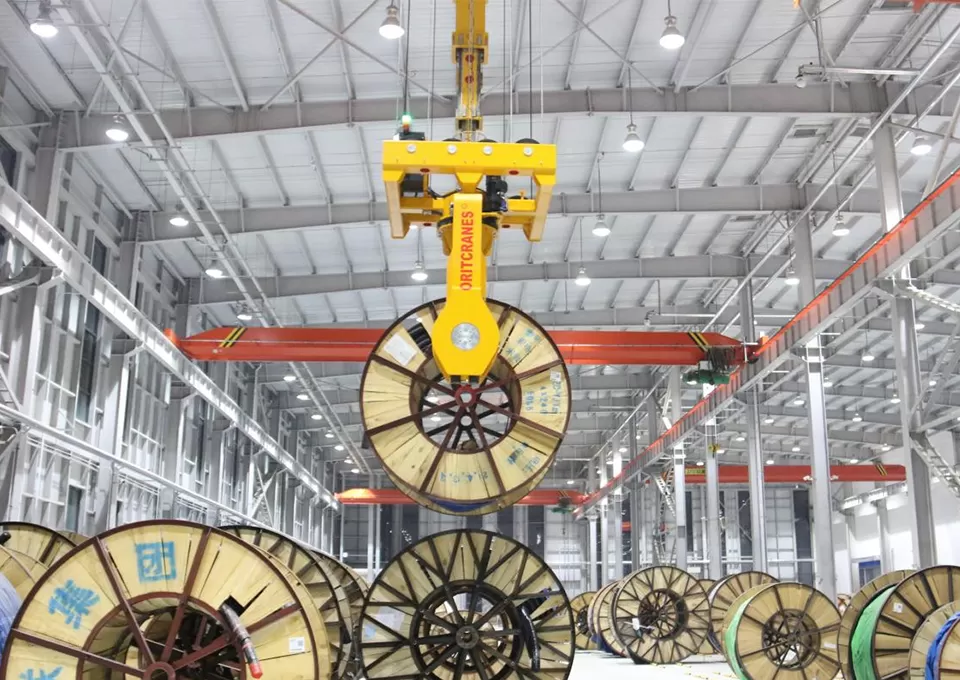

Choosing between different overhead crane types is an important decision for industrial facilities that handle heavy materials, equipment, components, or finished products. The correct configuration affects lifting capacity, usable floor space, installation cost, operating efficiency, and maintenance access. Understanding the main types of overhead cranes helps engineers and procurement teams match equipment to building conditions, load characteristics, and daily production requirements.
Overhead crane types are generally distinguished by their bridge configuration, supporting structure, hoist arrangement, and intended operating conditions. Many systems use an elevated runway to move loads across a defined working area, allowing material handling without occupying the same floor space as forklifts or other transport equipment.
Common configurations include:
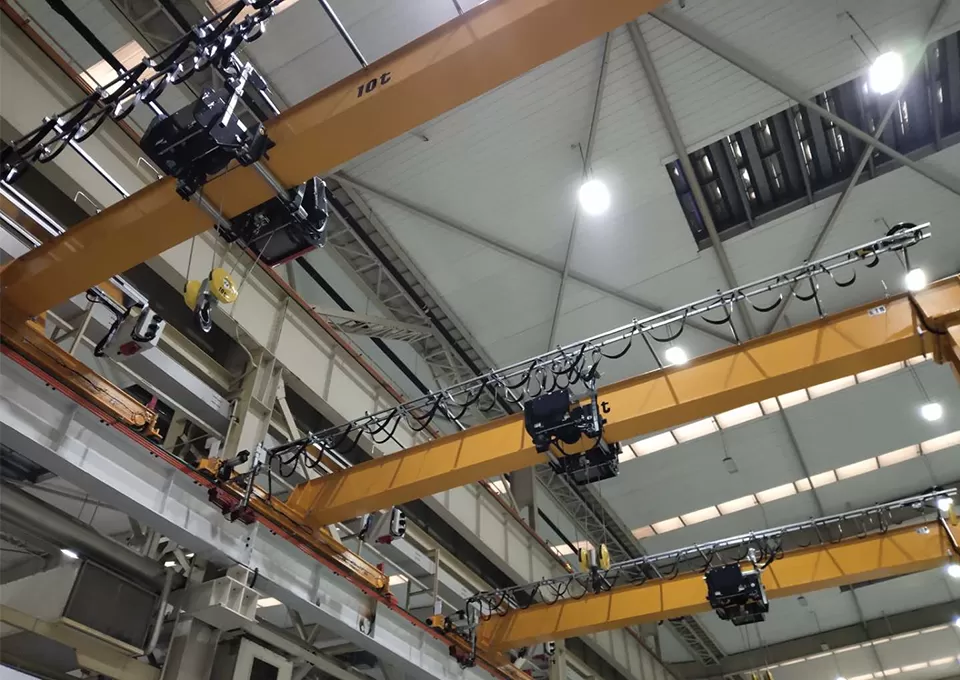
Single-girder overhead cranes: Use one main bridge girder and are often considered for applications where capacity, span, and lifting height fall within the manufacturer's design range.
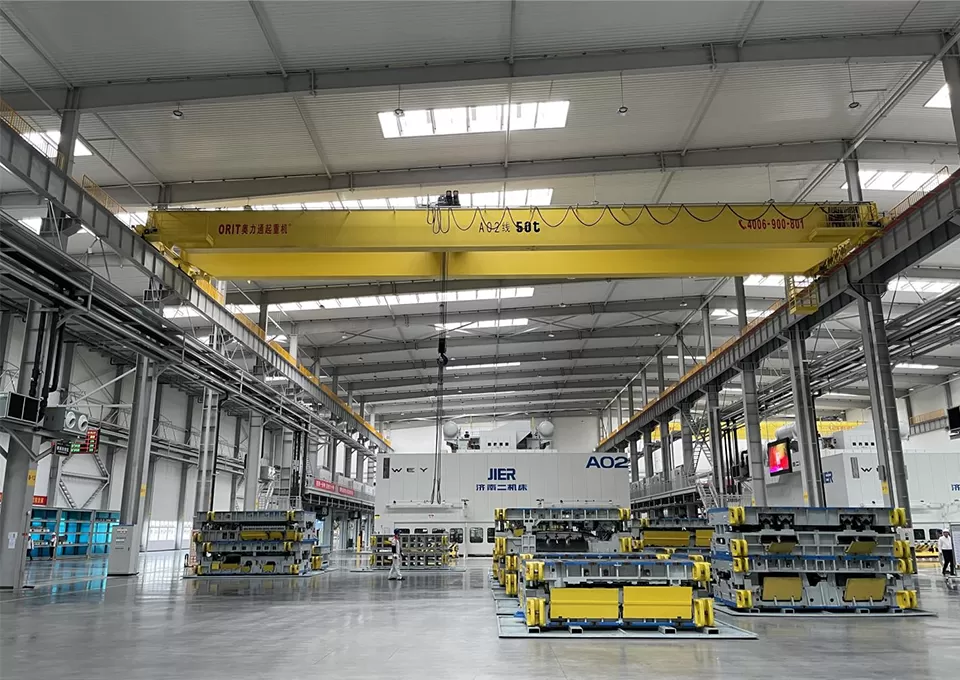
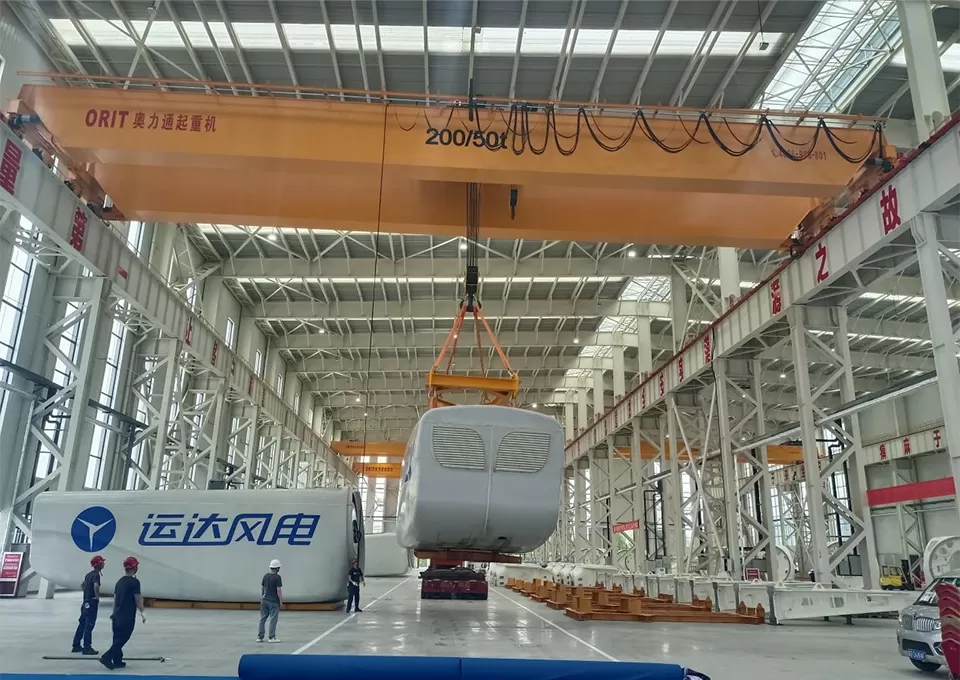
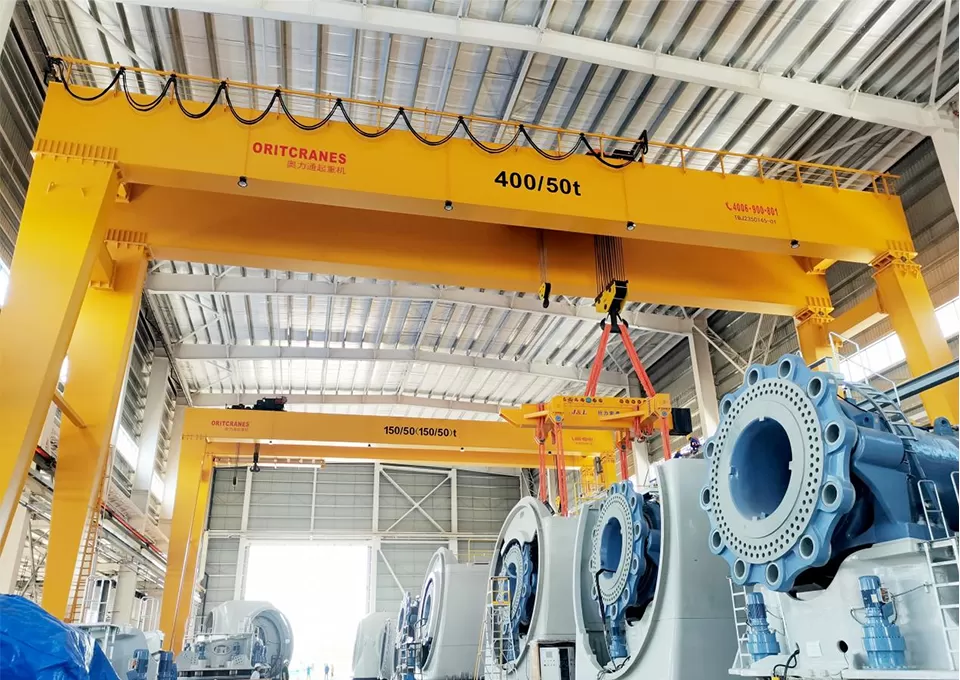
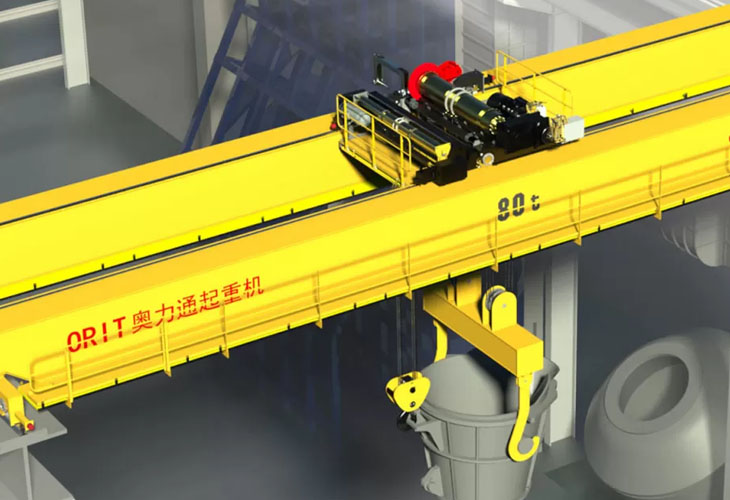
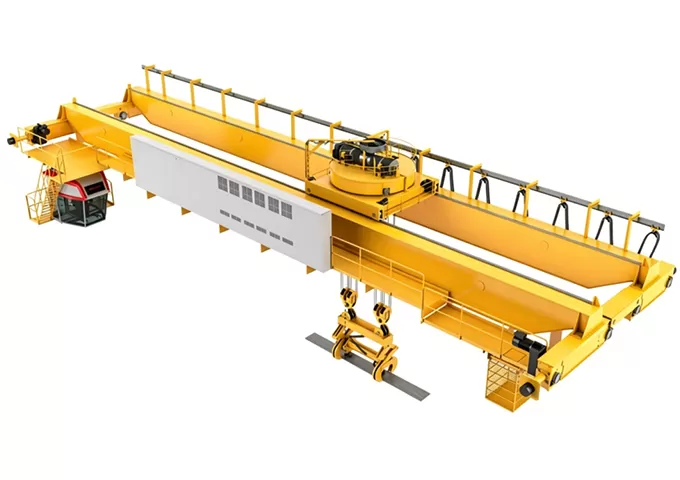
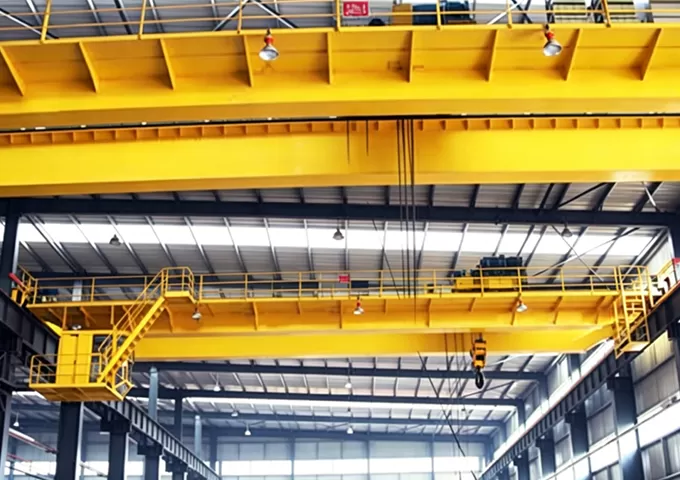
Double-girder overhead cranes: Use two main girders and may suit higher capacities, longer spans, or applications requiring greater lifting height and specialized equipment.
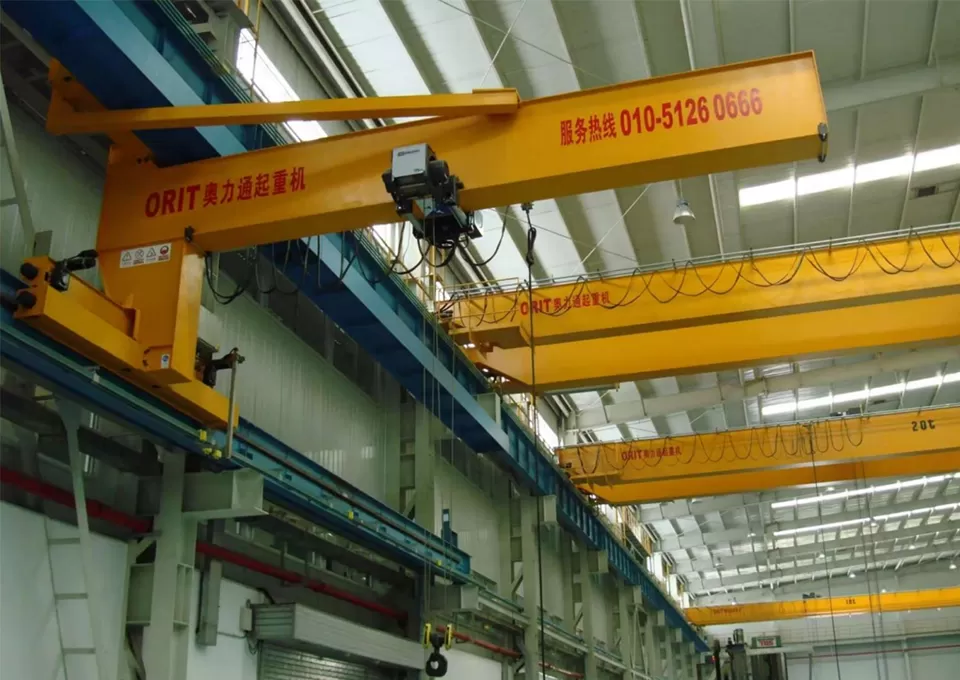
Top-running cranes: Travel on rails mounted on top of runway beams, subject to the building and crane design.
Under-running cranes: Suspend from runway structures, potentially supporting particular layouts where the building arrangement permits.
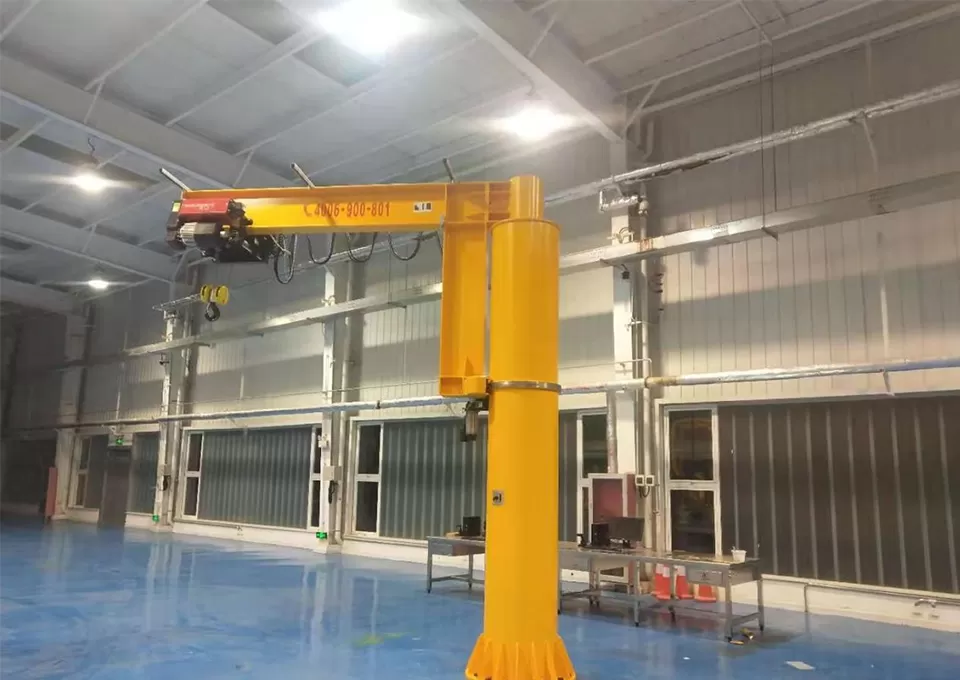
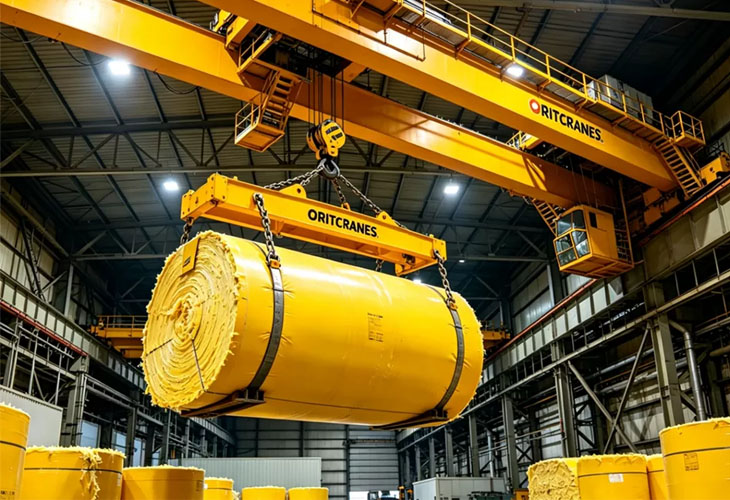
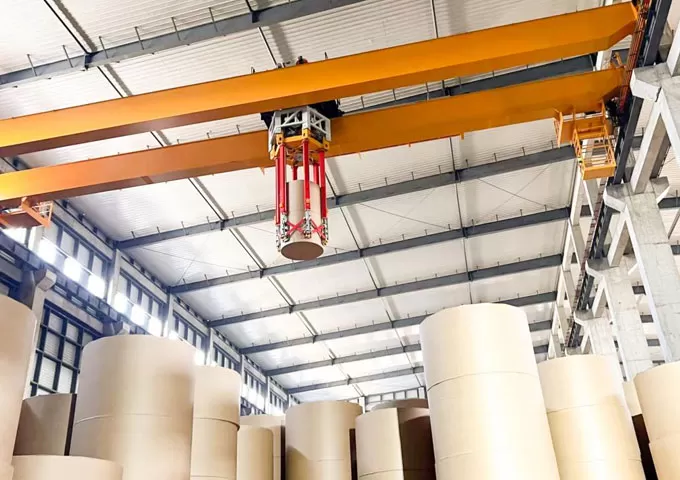
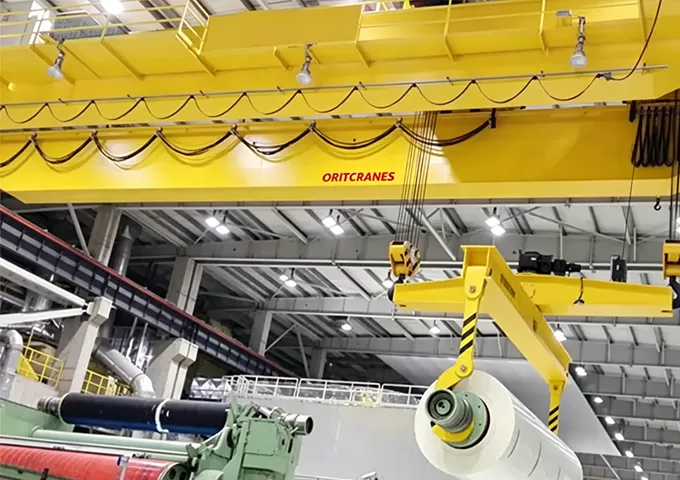
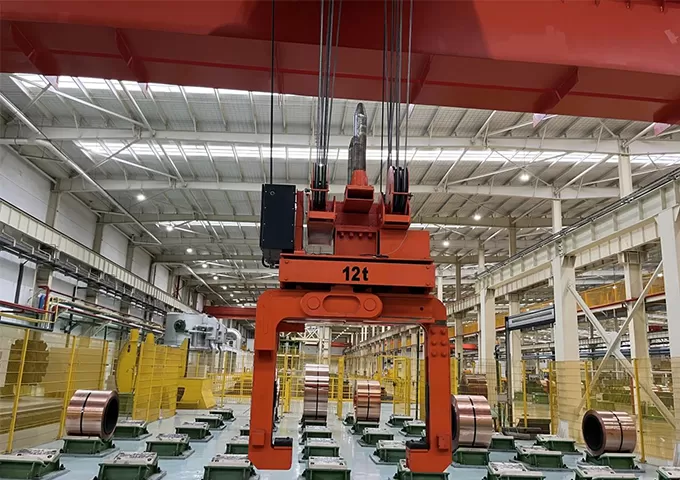
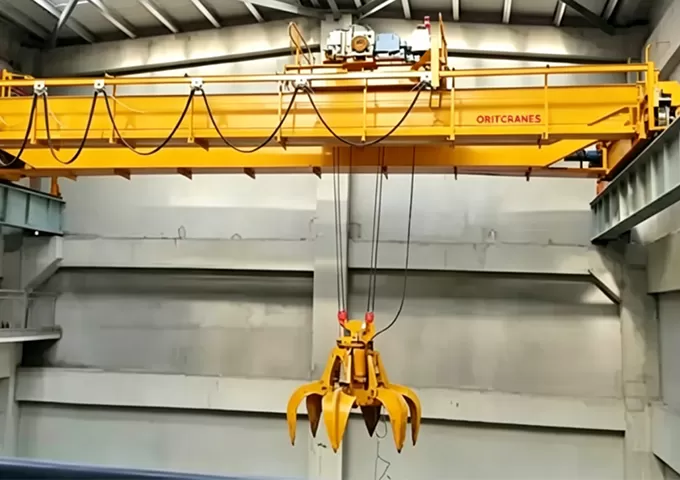
Special-purpose overhead cranes: Incorporate dedicated lifting devices or control features for specific industrial processes.
These industrial crane types are not interchangeable in every situation. The appropriate choice depends on the load, duty, building structure, required hook height, and the manufacturer's engineering limits. A crane should be selected using the complete application rather than its configuration name alone.
Single-girder and double-girder cranes differ primarily in bridge structure and the ways they accommodate lifting equipment and operating requirements.
A single-girder crane may provide an economical solution for suitable applications with moderate capacity and span requirements. Its relatively simple arrangement can reduce structural complexity, although actual cost depends on the building, runway, hoist, and installation scope.
A double-girder crane may be preferable when higher lifting capacity, increased hook height, specialized hoists, or demanding operating conditions are required. The arrangement can provide greater flexibility for some industrial applications, but it may involve additional structural weight and cost.
The selection should account for more than the rated load. Buyers need to consider the load's dimensions, lifting frequency, required approach distances, maintenance access, and the available headroom. A detailed comparison should use actual manufacturer data and a verified building assessment.

Capacity and span are two of the most important factors in selecting overhead crane types. Capacity refers to the maximum permitted load under the specified conditions, while span describes the distance between the runway rails or supporting travel paths, according to the crane configuration.
The required capacity should include the heaviest load that the crane is intended to lift. Engineers must also consider lifting attachments and any other loads included in the rated-capacity definition. The selected crane must comply with the applicable design requirements and operating limitations.
Span influences bridge design, structural loading, deflection, and equipment cost. A longer span can require a different girder design and may affect the loads transferred to the building structure. Available headroom and hook approach also matter because a crane that has sufficient rated capacity may still fail to reach the necessary lifting positions.
Selection factor | What to establish | Effect on configuration |
|---|---|---|
Rated capacity | Maximum permitted load and attachment requirements | Influences crane and hoist design |
Span | Distance between runway rails | Affects bridge structure and building loads |
Lifting height | Highest required load position | Determines hoist arrangement and headroom |
Duty | Frequency and load spectrum | Influences component selection |
Operating environment | Dust, heat, moisture, and exposure | Affects protection and maintenance requirements |
Control method | Pendant, radio, cabin, or automation | Influences operating arrangement and system integration |
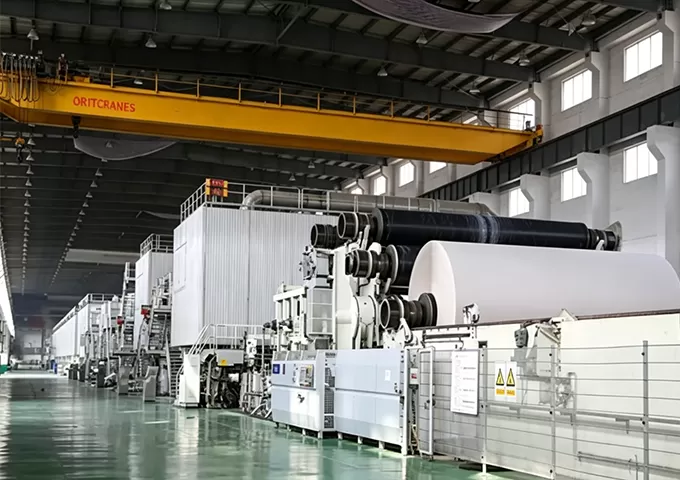
Different workflows place different demands on a crane. A manufacturing facility may prioritize repetitive movements between workstations, while a steel service center may need to handle heavy products with specialized lifting attachments. Warehouses may prioritize coverage and integration with inventory processes.
Before selecting equipment, map the material route from pickup to placement. Identify the load dimensions, lifting points, travel distances, cycle frequency, and any obstacles. Consider whether the crane needs to coordinate with other cranes, conveyors, production machinery, or automated storage systems.
The operating environment should also guide the decision. High temperatures, corrosive atmospheres, dust, and moisture may affect electrical components, brakes, motors, and maintenance intervals. Where the load has a sensitive surface or irregular center of gravity, the lifting attachment and load-control method need particular attention.
A crane's total cost includes more than the initial purchase. Installation, runway construction, structural reinforcement, electrical supply, commissioning, inspections, and future maintenance can materially influence project economics.
Before requesting quotations, buyers should prepare a clear technical specification. At minimum, it should define rated capacity, span, lifting height, duty requirements, operating speed, control method, environmental conditions, and applicable standards.
The building structure must be reviewed to confirm whether the runway and supporting elements can accommodate the required loads. Existing structures should not be assumed suitable without engineering verification.
Buyers should also clarify installation responsibilities, testing requirements, spare-parts availability, warranty terms, and maintenance support. Providing the same information to each bidder makes technical and commercial comparisons more meaningful and reduces the likelihood of costly changes later.
The right overhead crane types depend on lifting capacity, span, hook height, duty, building conditions, and the material-handling workflow. Single-girder, double-girder, top-running, under-running, and specialized configurations each serve particular requirements. A detailed engineering assessment helps facilities select a crane that balances performance, safety, installation cost, and long-term reliability.
Common types include single-girder, double-girder, top-running, under-running, and special-purpose overhead cranes. The suitable configuration depends on the application and site conditions.
No. Double-girder designs may suit higher-capacity or specialized applications, while single-girder cranes may be more economical for suitable loads and spans.
Span affects bridge structure, deflection, building loads, and equipment cost. The required span should be verified against the facility layout and structural design.
Provide the required capacity, span, lifting height, duty, operating environment, control method, load characteristics, and installation location.