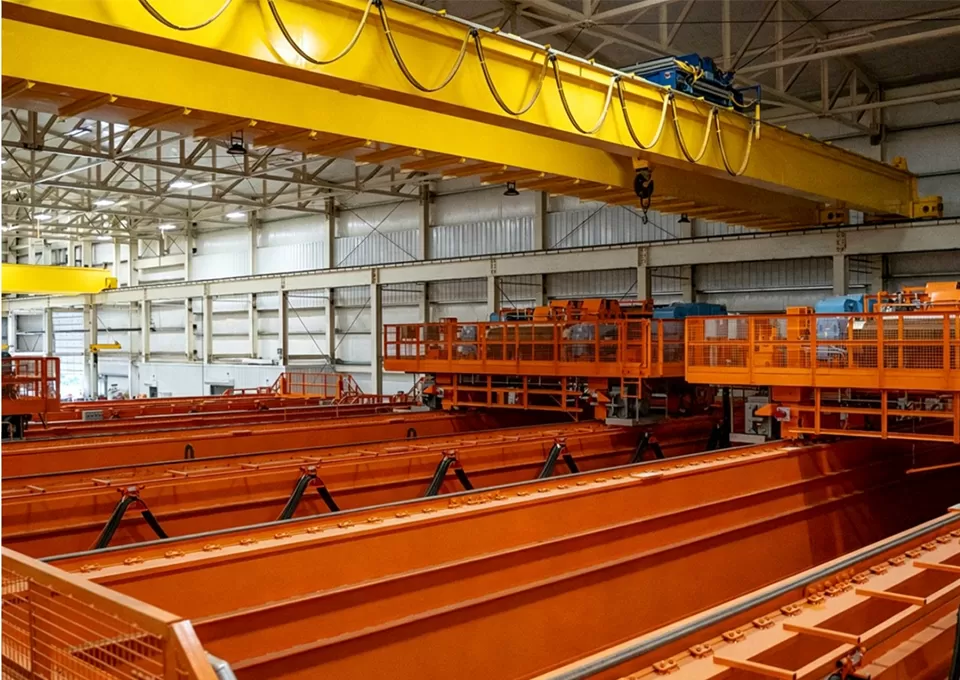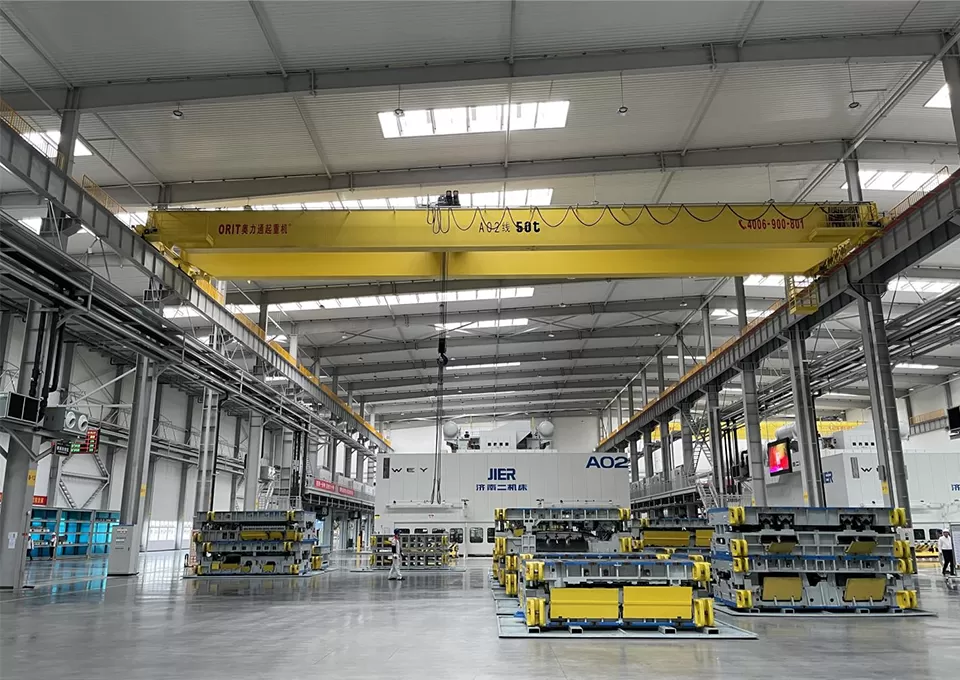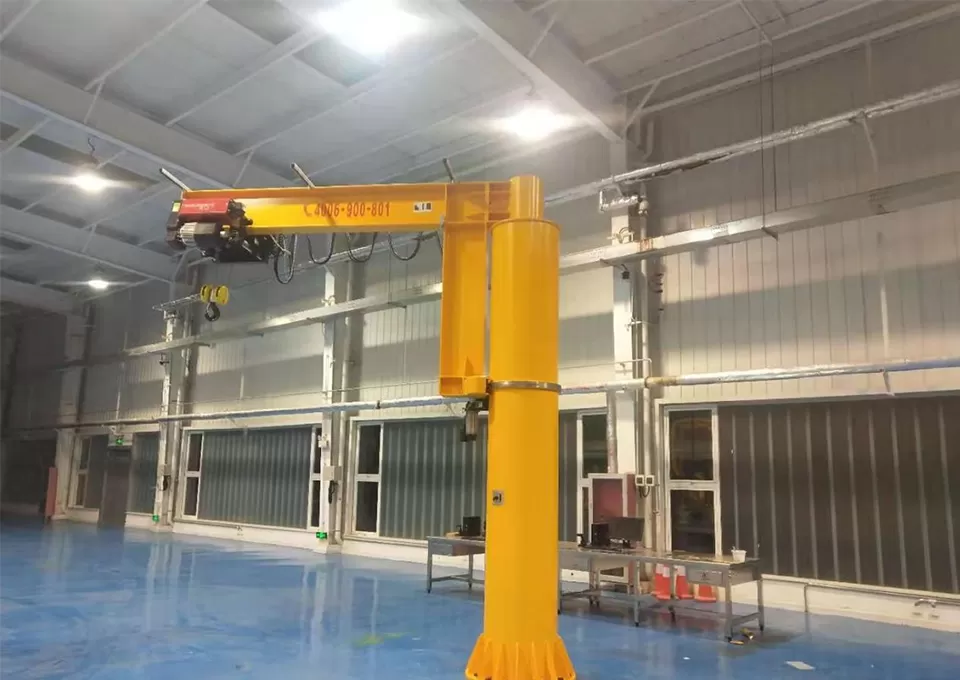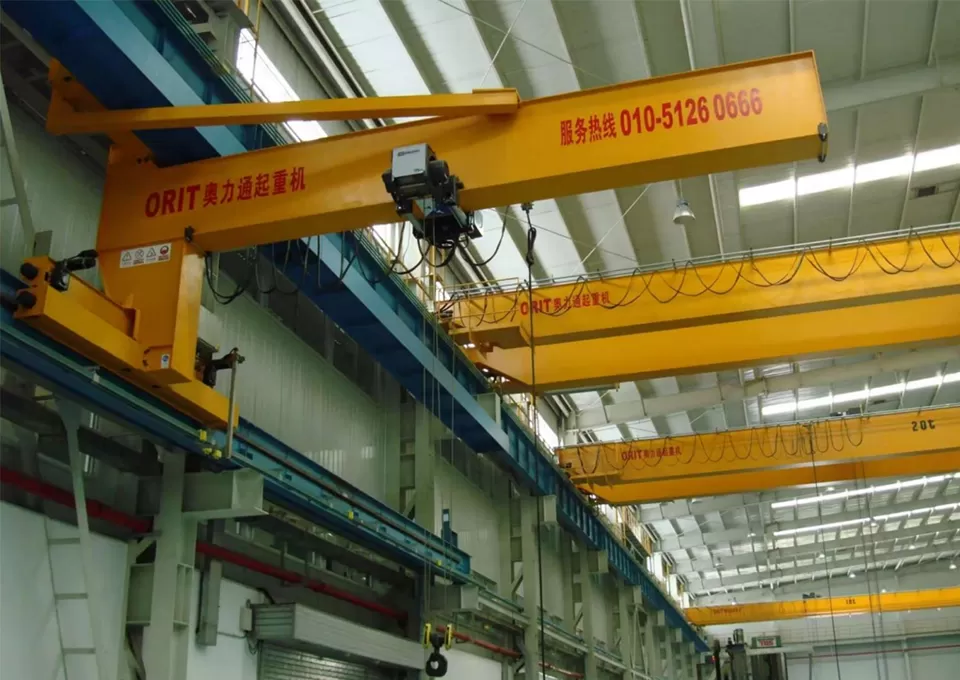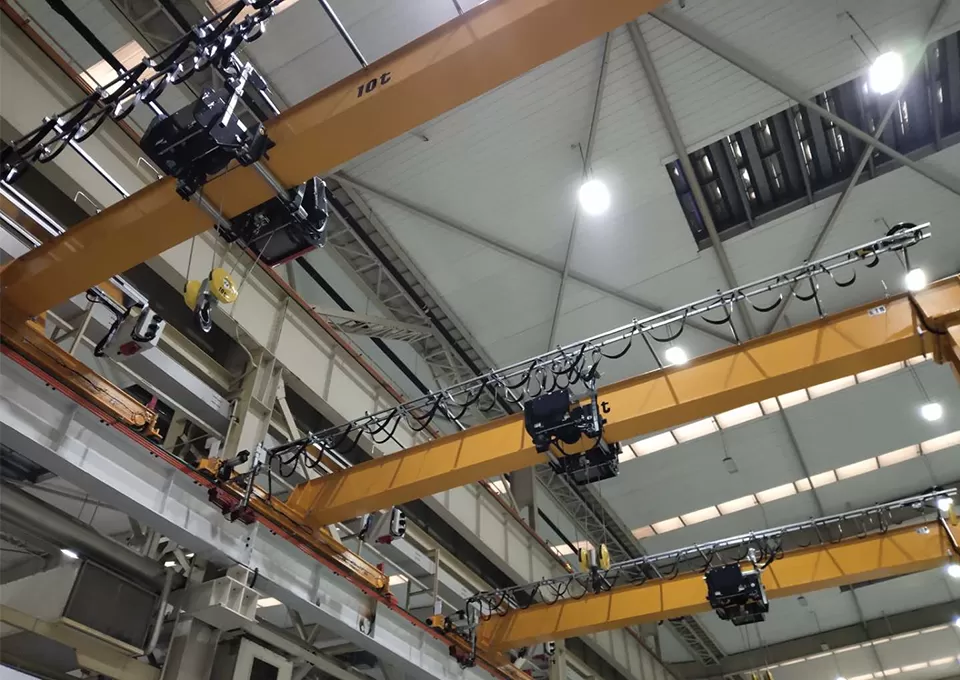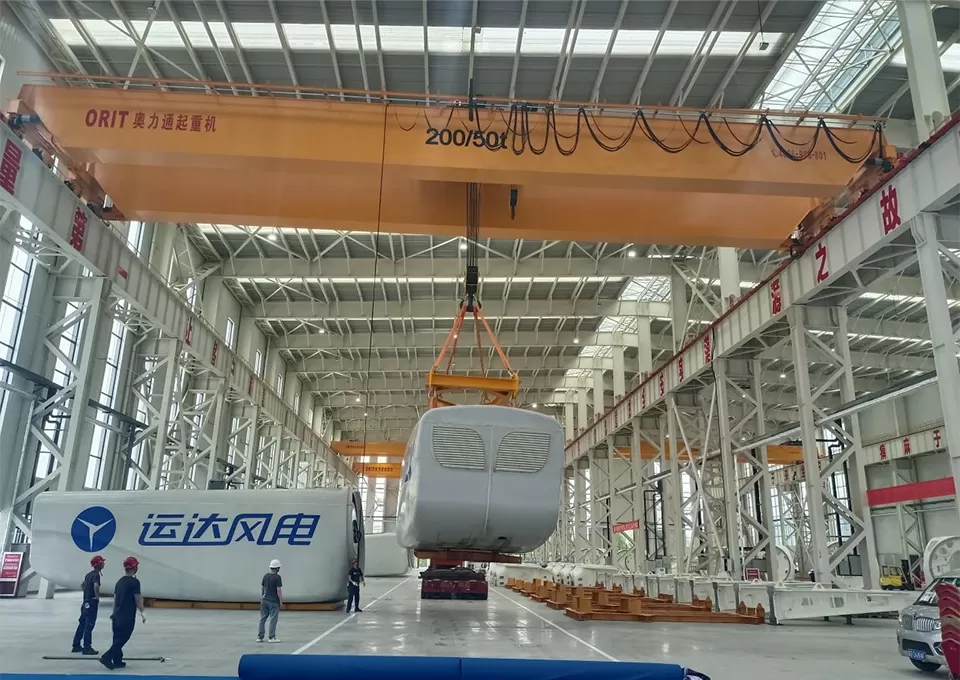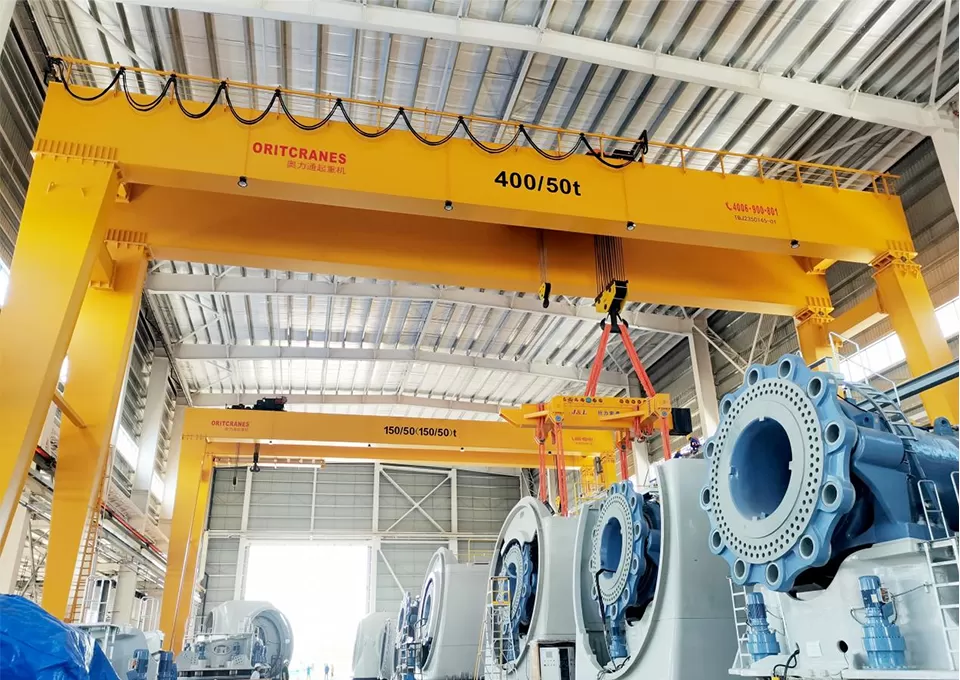
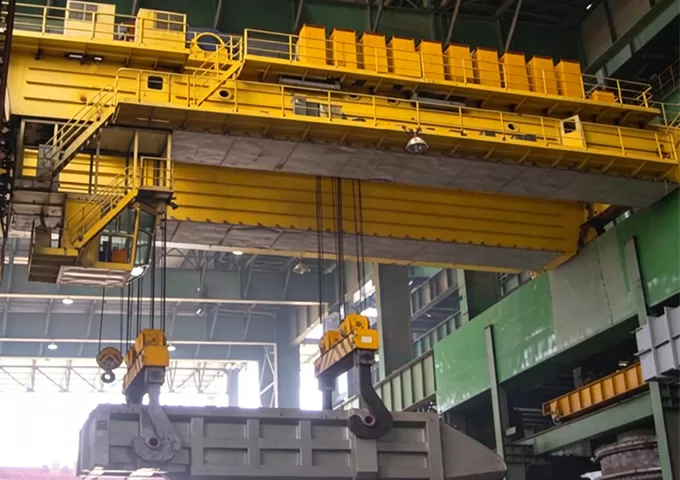
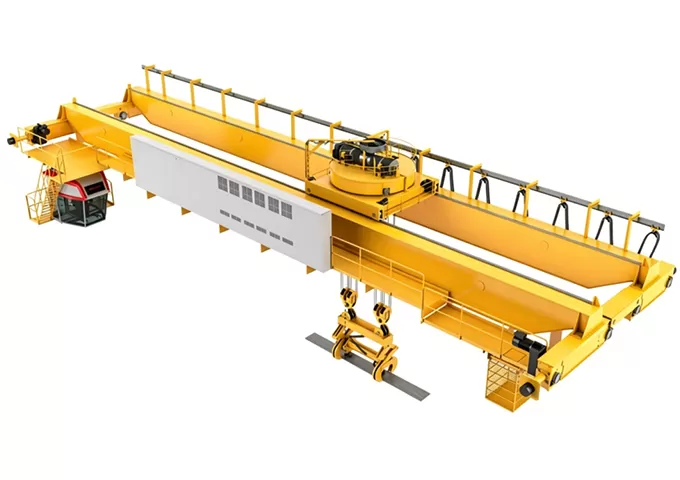
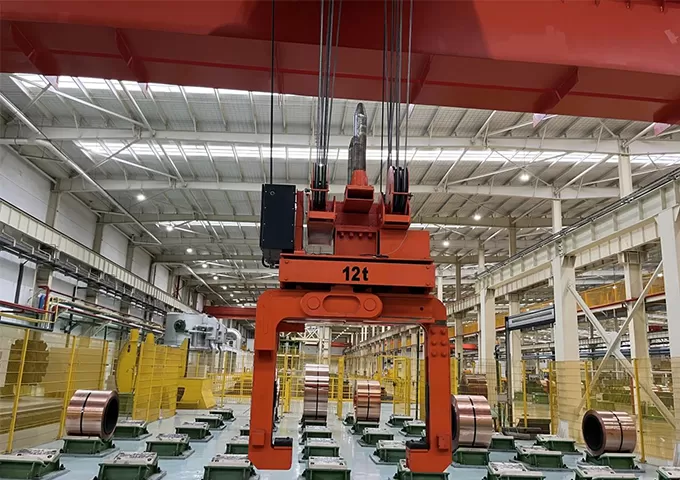
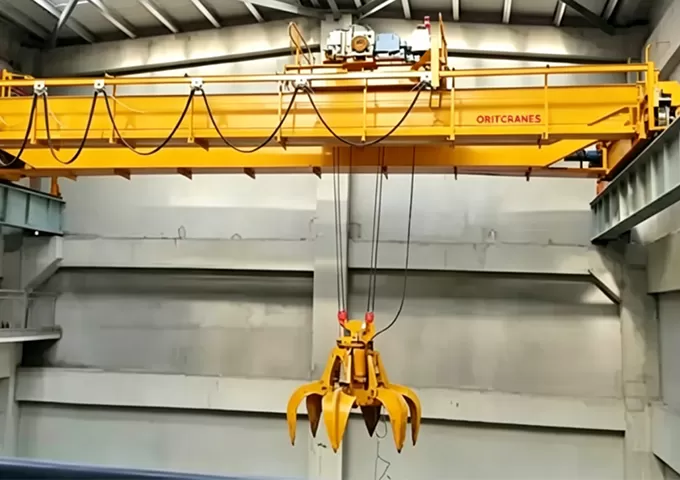
Steelmaking facilities require reliable equipment to move heavy materials through demanding production environments. A charging crane plays an important role in transferring scrap, hot metal containers, and other specified materials to charging areas according to the plant's process requirements. Selecting the right charging crane involves more than checking lifting capacity: operating cycles, load attachments, positioning accuracy, duty classification, and safety functions all influence productivity and long-term reliability.
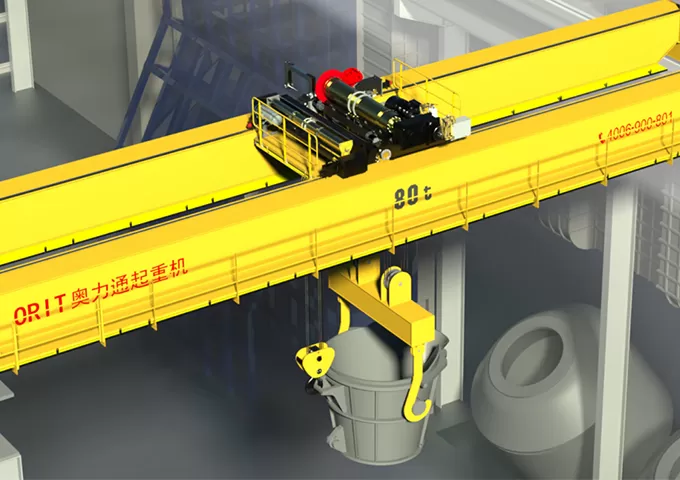
A charging crane is an industrial lifting system designed to support material charging operations in steel plants and related metallurgical facilities. Depending on the production process and crane configuration, it may move scrap baskets, charging containers, or other loads between storage areas and designated furnace charging positions.
The crane must work within the plant's production sequence. Delays in material preparation or delivery can affect furnace utilization and downstream operations, making dependable material handling essential. Crane design therefore needs to reflect the actual load characteristics, travel distances, operating frequency, and surrounding equipment layout.
Typical functions may include:
Material transfer: Moving charging baskets or other approved containers from staging areas to the required operating position.
Load positioning: Aligning loads with charging platforms or designated furnace interfaces.
Production coordination: Working within the timing and material flow requirements of the steelmaking process.
Operational monitoring: Providing operators or control systems with relevant information about load status, movement, and equipment condition.
The precise duties of a charging crane vary by plant. Engineers should define the materials being handled, maximum load dimensions, center of gravity, lifting points, and environmental conditions before establishing the technical specification.
A charging crane's operating cycle usually involves picking up a prepared load, lifting it clear of surrounding equipment, travelling to the target location, positioning it, and returning for the next task. The sequence may vary according to the furnace arrangement and production method.
Cycle time depends on horizontal travel distance, lifting height, acceleration, deceleration, positioning requirements, and operator or automation response. A crane with a high travel speed may not improve overall productivity if the load must be positioned slowly or if material preparation creates a bottleneck.
Designers should map the complete handling cycle rather than assess individual movement speeds in isolation. The analysis should include loading and unloading time, required pauses, interaction with other equipment, and potential maintenance interruptions.
Where multiple cranes or production stations operate in the same area, traffic management and operating priorities should also be considered. Clear coordination can reduce unnecessary waiting and help maintain a predictable material flow.

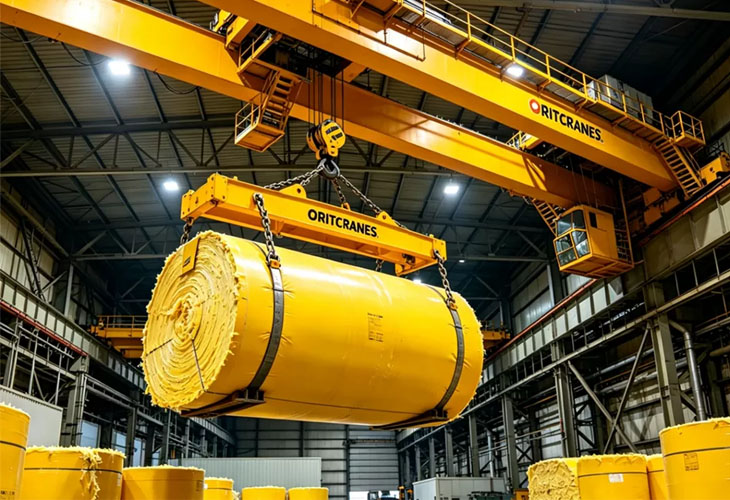
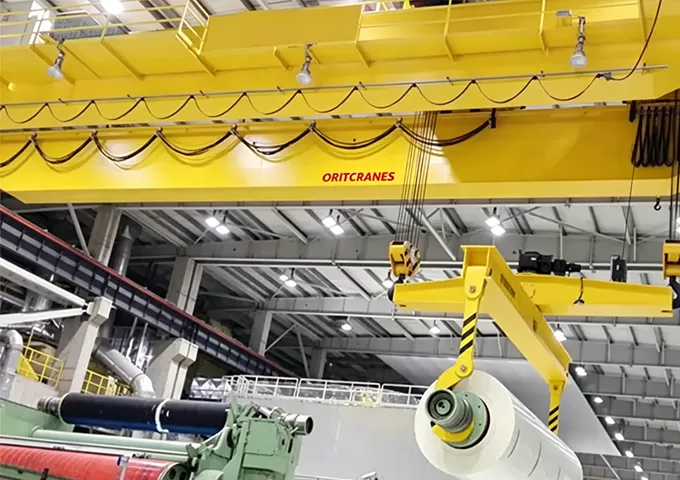
The attachment is a critical part of charging crane performance because it connects the lifting system to the material being handled. The appropriate device depends on load geometry, weight distribution, lifting points, and the way the material must be delivered.
Common considerations include:
Load compatibility: Confirm the attachment is designed for the container or material, including its maximum gross weight.
Secure engagement: Ensure the lifting interface prevents unintended release during travel and positioning.
Thermal exposure: Evaluate radiant heat, hot surfaces, and nearby process conditions where applicable.
Maintenance access: Allow inspection of hooks, lifting beams, grabs, or other attachments used in the application.
Scrap baskets and other containers may require dedicated lifting beams or purpose-designed interfaces. The attachment should not be selected solely on nominal capacity: eccentric loading, dynamic effects, and load stability must also be evaluated.
Charging operations can involve repeated lifting, frequent starts and stops, and demanding environmental conditions. The crane's duty classification and component selection should reflect actual usage rather than occasional maximum load alone.
Engineers should evaluate lifting frequency, average load, peak load, travel distances, acceleration, and expected operating hours. These factors influence hoist, motor, gearbox, brake, wheel, rail, and structural requirements. Dust, heat, vibration, and other environmental conditions may also affect equipment selection and maintenance planning.
Positioning performance is equally important. The crane may need to align a charging container with a defined target while avoiding nearby structures and process equipment. Appropriate speed control, braking performance, travel limits, and operator visibility can help achieve controlled movement.
Design factor | What to evaluate | Operational benefit |
|---|---|---|
Rated capacity | Maximum gross load and attachment weight | Reduces overload risk |
Duty classification | Frequency, load spectrum, and operating hours | Supports component durability |
Positioning | Target tolerances and approach speeds | Improves placement consistency |
Environment | Heat, dust, and exposure conditions | Supports suitable component selection |
Maintenance | Inspection access and replacement requirements | Helps reduce unplanned downtime |
Automation can improve repeatability in charging crane operations when the process is sufficiently defined and the control system is integrated with plant requirements. Features may include predefined travel routes, programmable positioning, load monitoring, and status communication with production systems.
Before introducing automation, the plant should identify repetitive tasks, required positioning accuracy, and the consequences of a failed movement. Sensors, control logic, and operating procedures must be designed to handle abnormal conditions safely. Automation does not remove the need for appropriate guarding, interlocks, inspection, and trained personnel.
A phased approach can be effective: begin by improving monitoring and movement control, then assess whether more advanced automated sequences provide measurable value.
A charging crane is a key component of steelmaking material handling, supporting the movement and positioning of loads within demanding production cycles. The right system depends on load characteristics, duty requirements, attachment design, environmental conditions, and positioning needs. A detailed review of the complete operating cycle helps steel plants select equipment that supports safe, reliable, and efficient charging operations.
Depending on its design, a charging crane may handle scrap baskets, charging containers, or other specified materials. The load, attachment, and operating environment must be verified against the crane's approved configuration.
Duty classification reflects operating frequency and load conditions. It helps engineers select components that can withstand the expected service demands.
Yes, selected functions such as travel, positioning, and process coordination can be automated. The system must include suitable sensors, controls, and safety measures.
Key information includes maximum load, attachment type, lifting height, travel distances, operating cycles, environmental conditions, positioning requirements, and applicable safety standards.