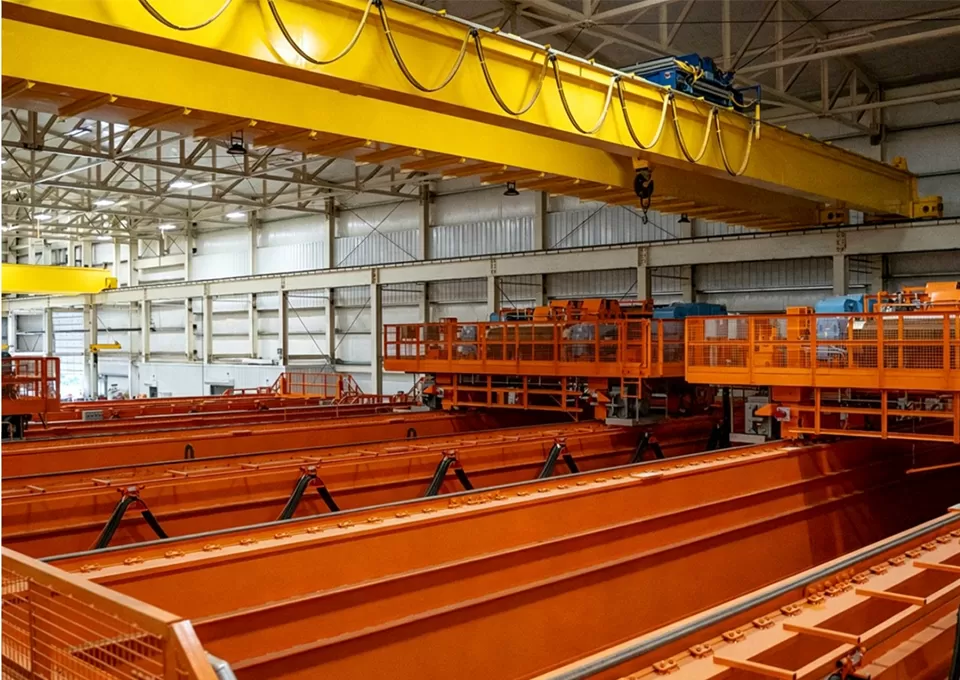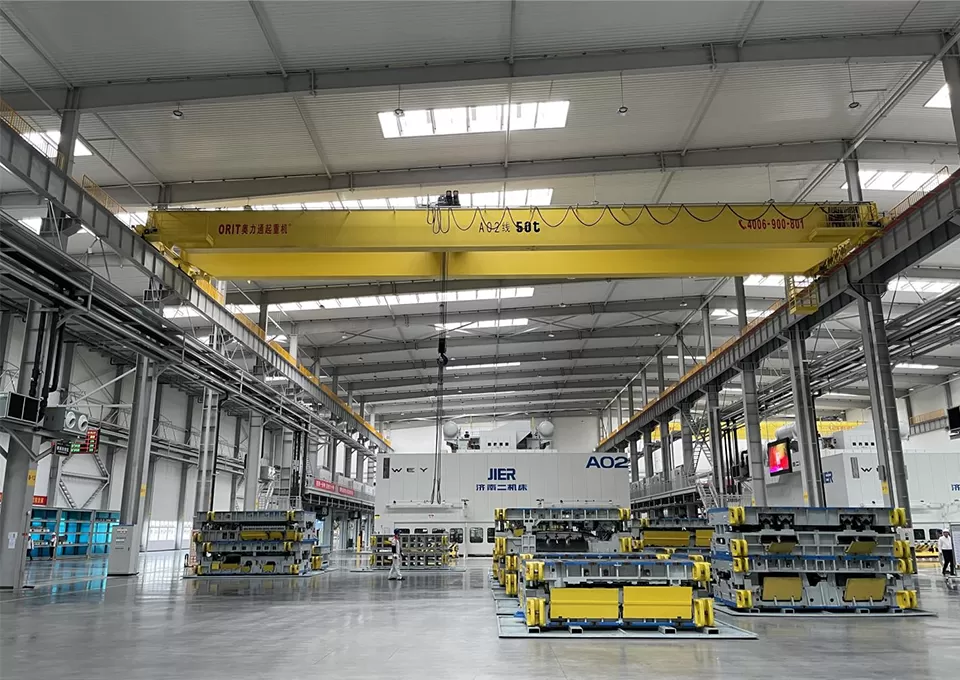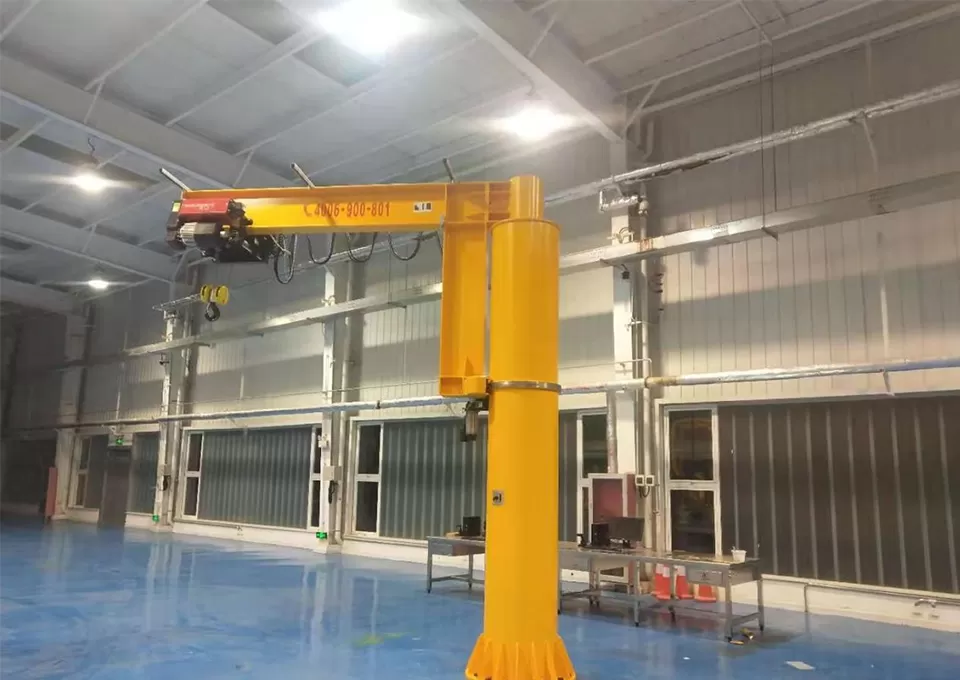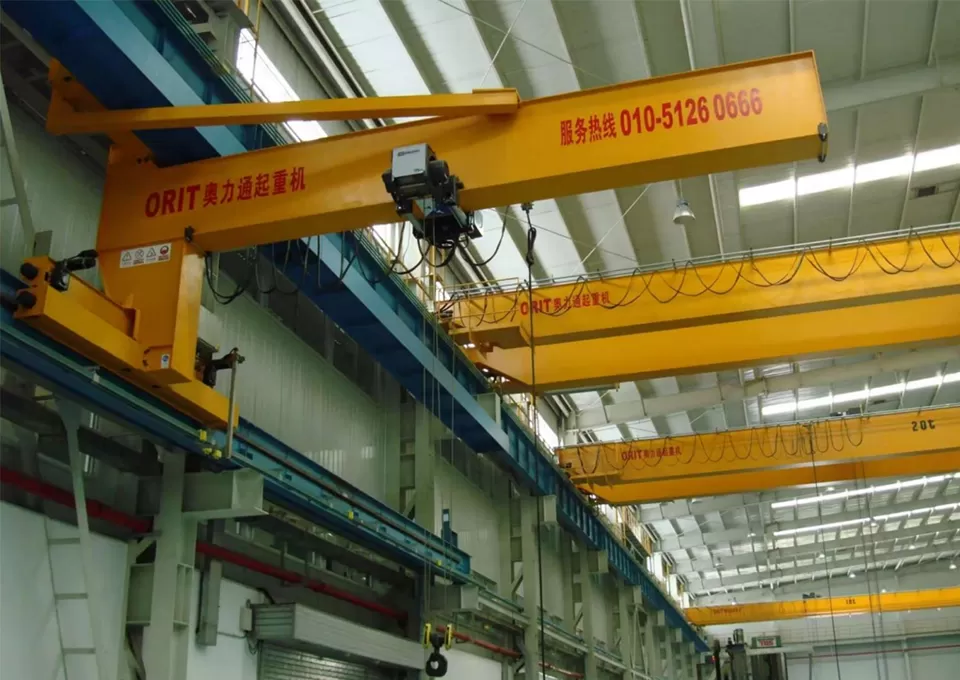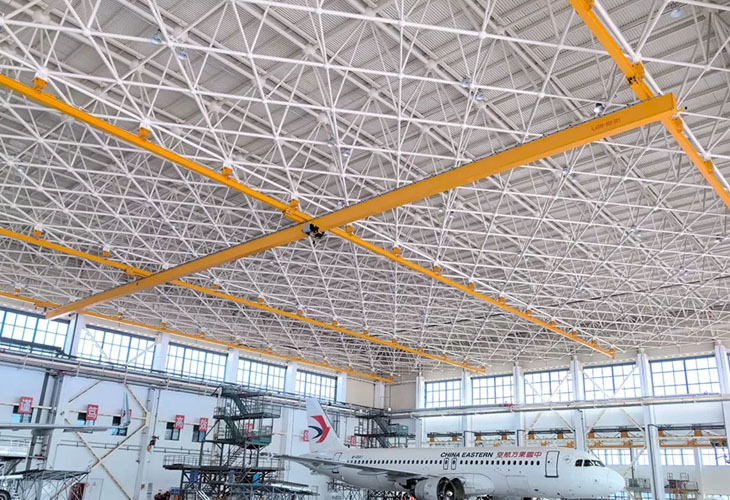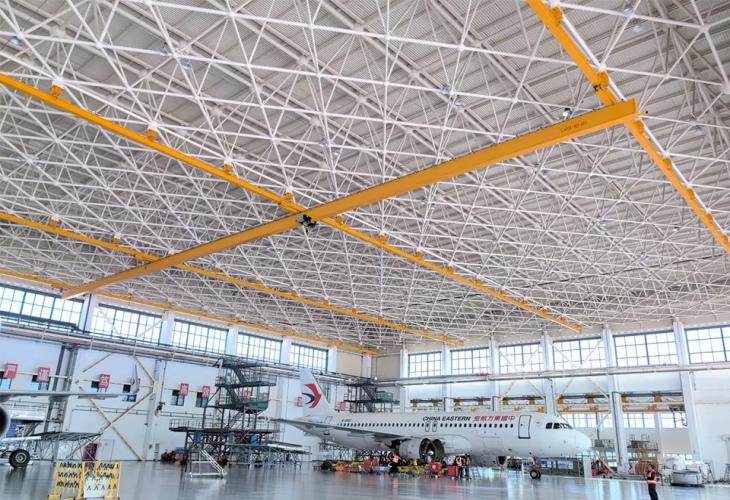
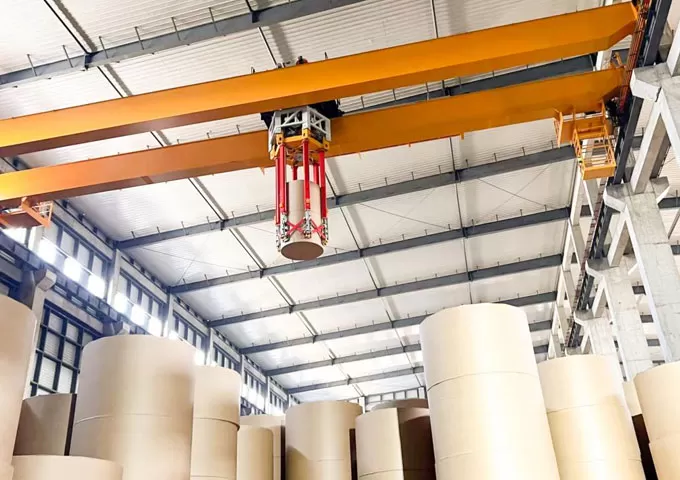
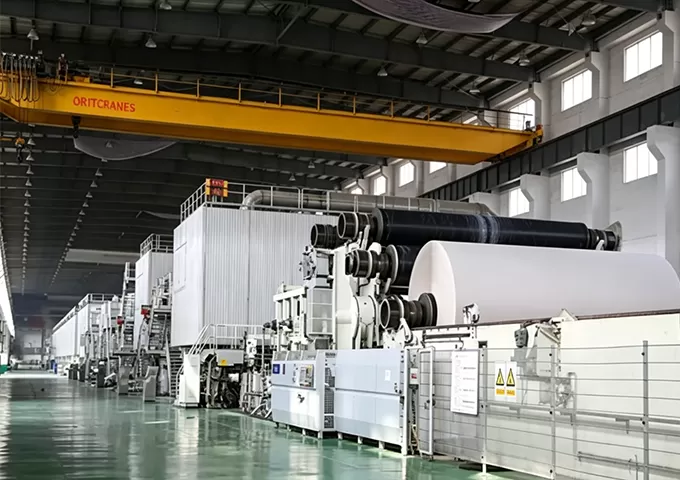
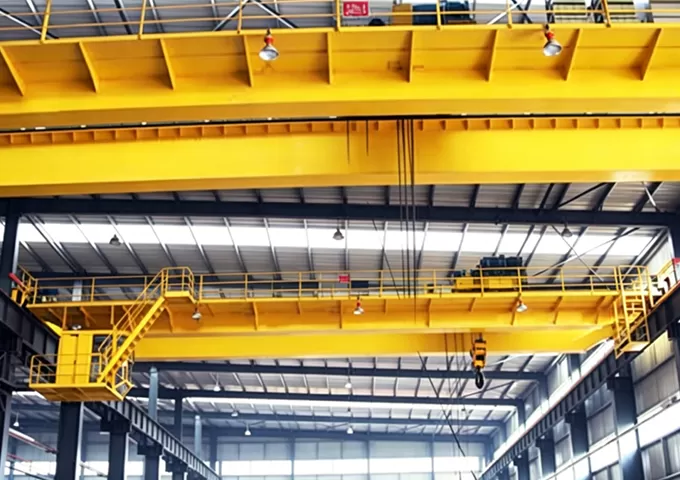

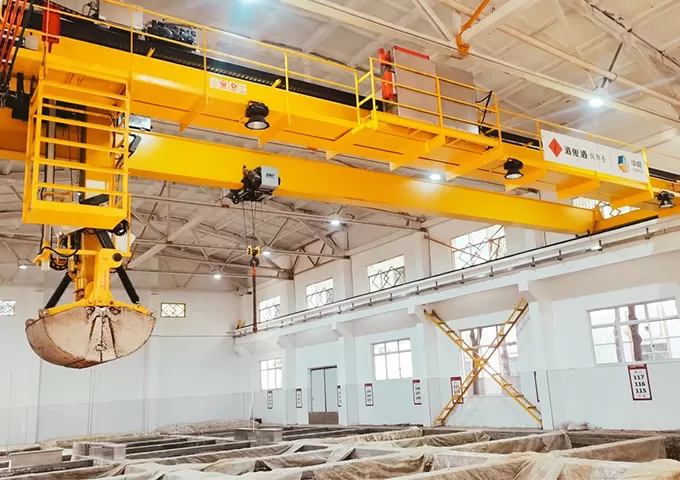
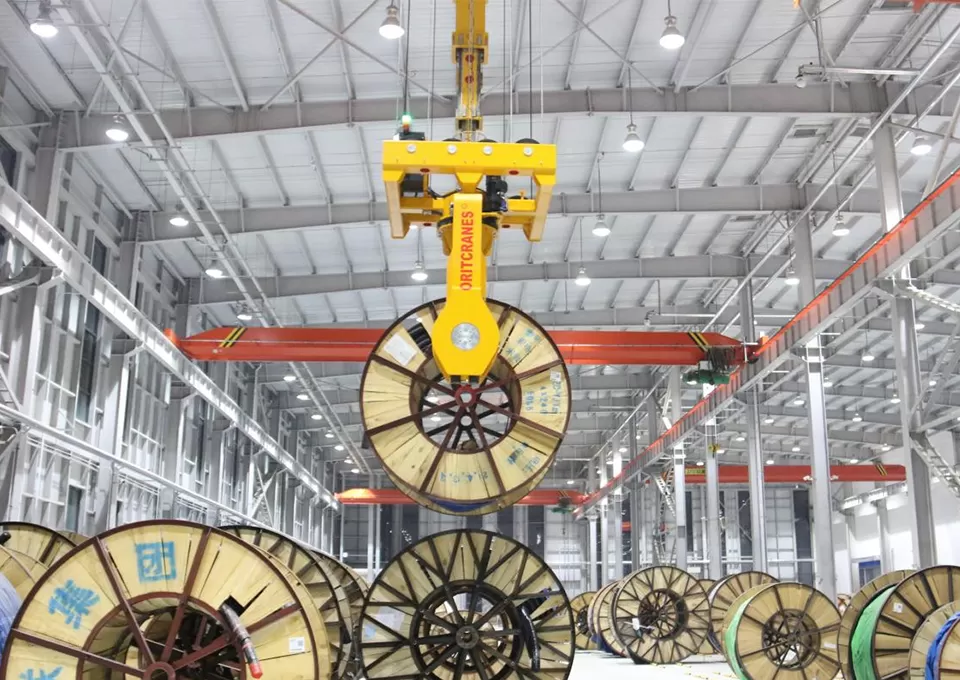

When comparing a bridge crane vs gantry crane, industrial buyers should focus on structural support, available working space, installation conditions, and material-handling requirements. Both crane types move loads horizontally and vertically, but their supporting structures differ. A bridge crane generally operates on elevated runways, while a gantry crane uses legs that travel on rails or another suitable ground-level path. Understanding these differences helps businesses select an efficient solution for indoor production, warehouses, workshops, and outdoor yards.
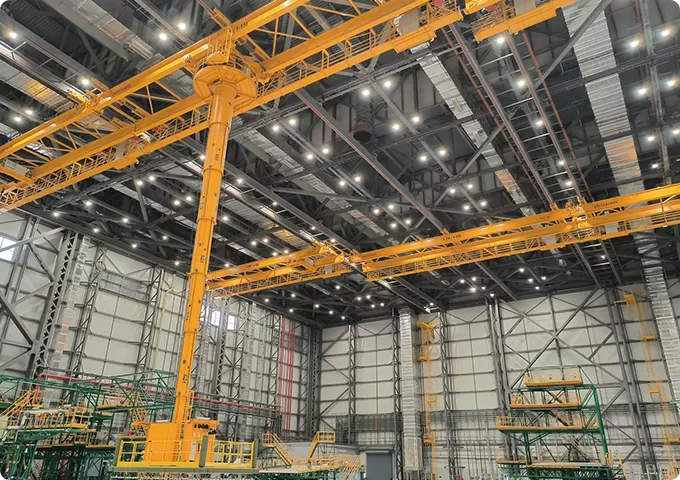
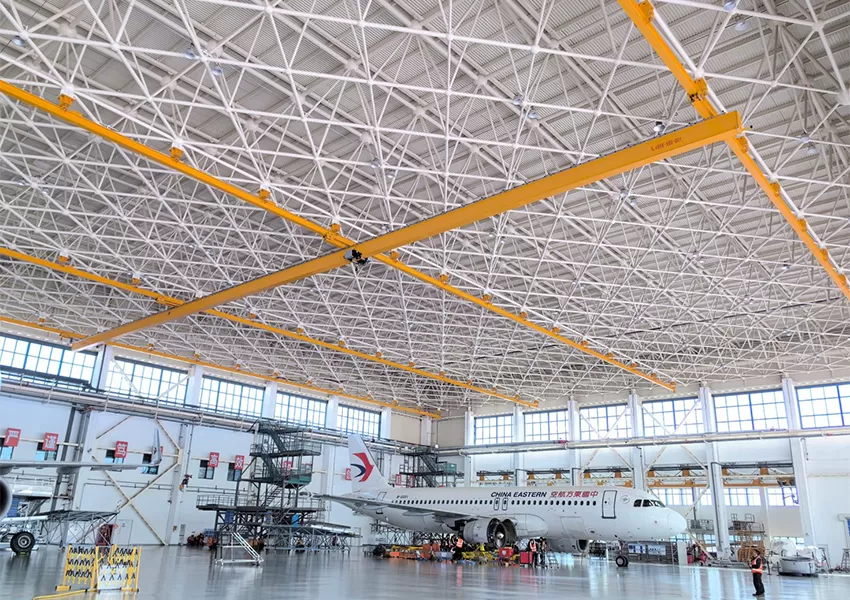
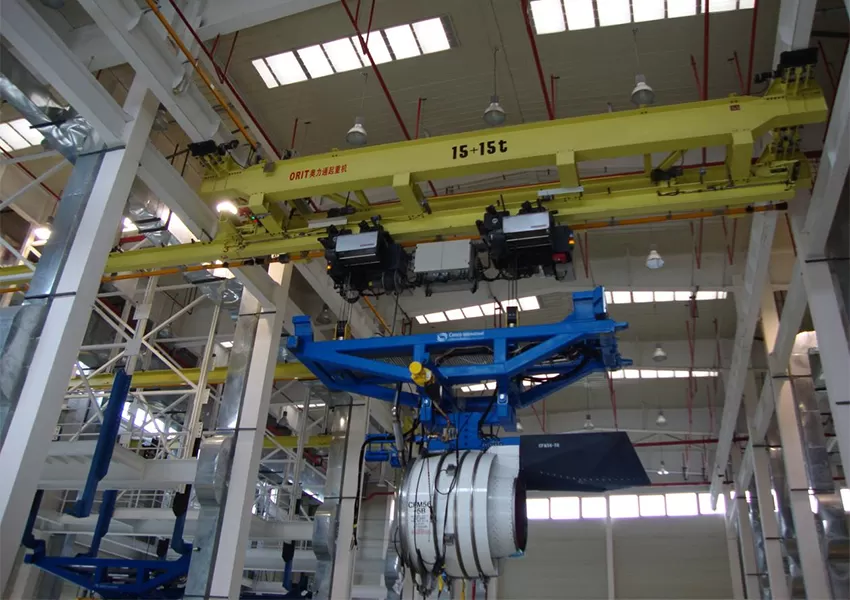
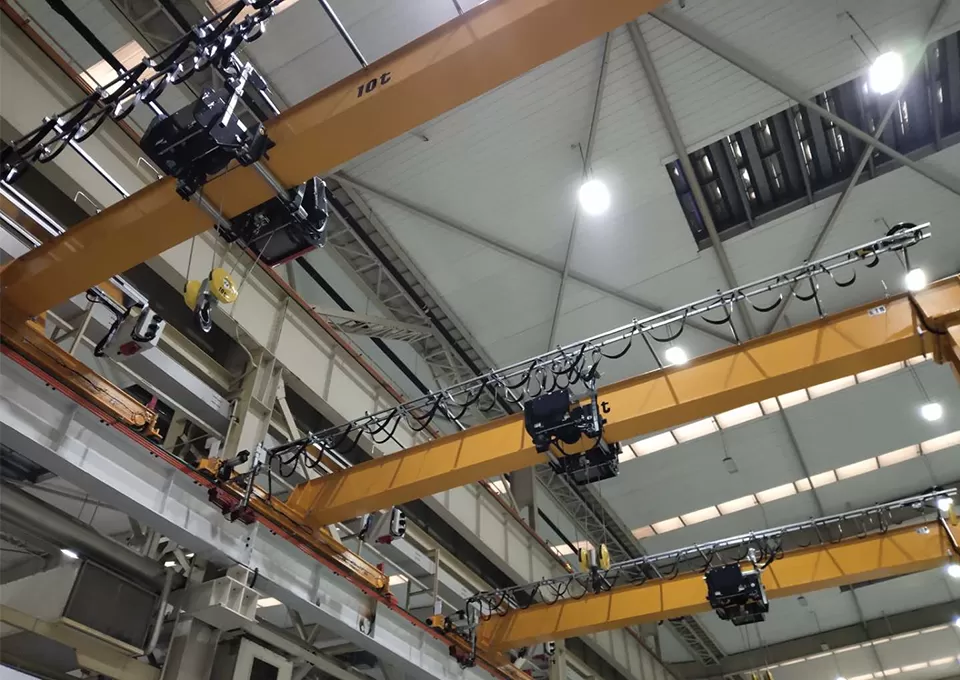
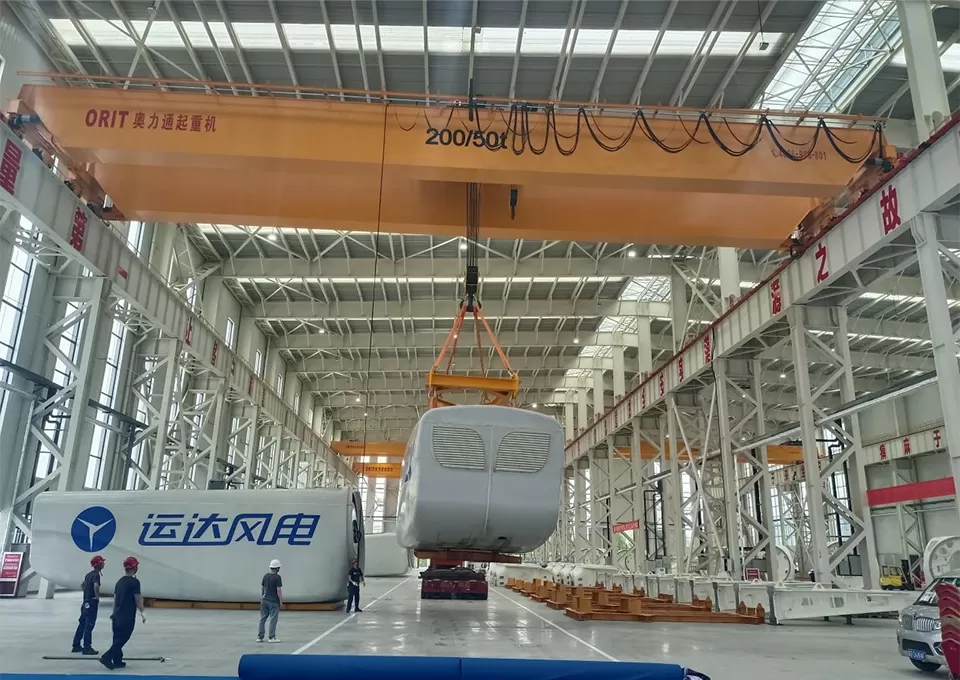
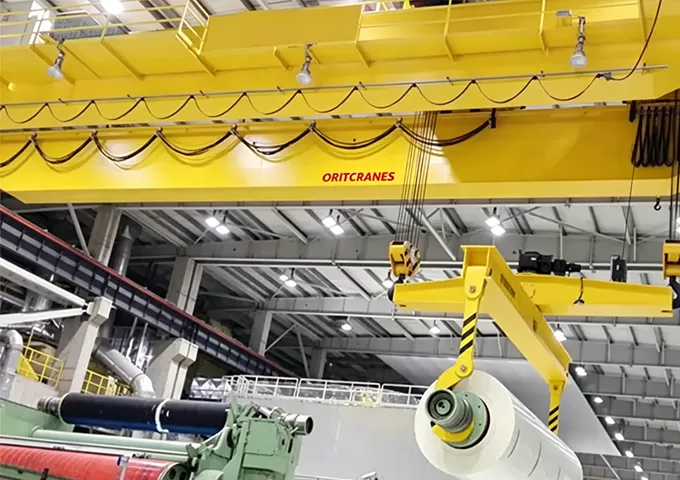
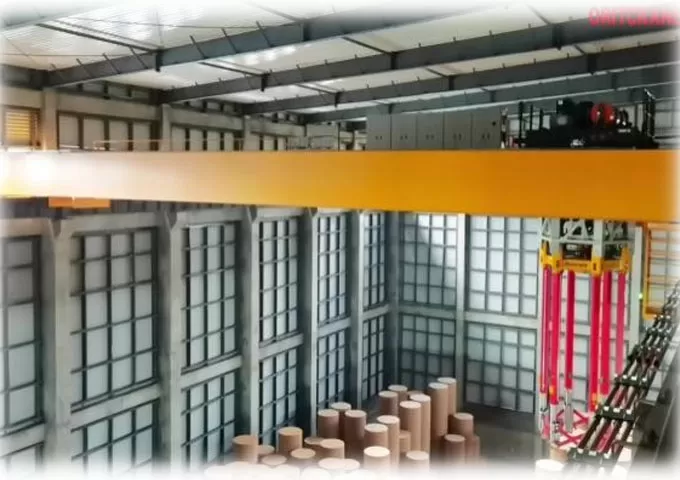
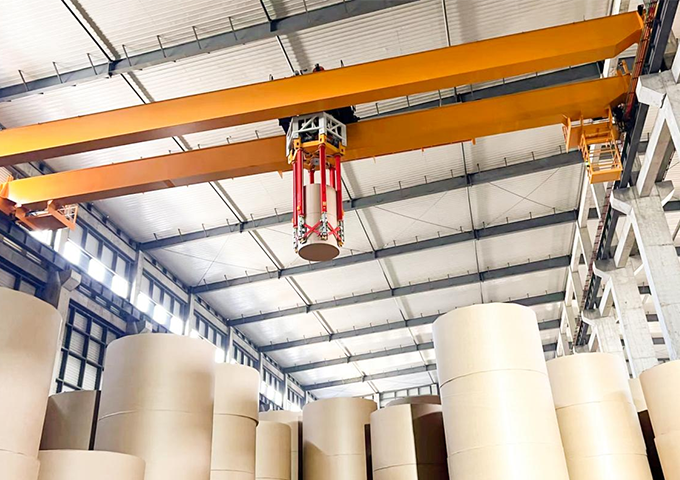
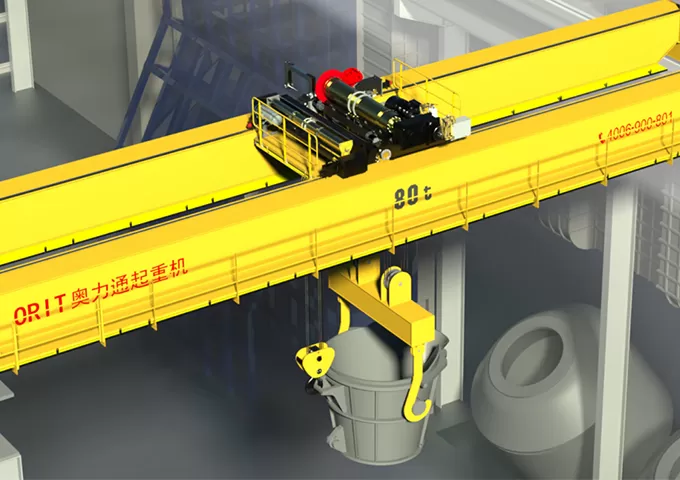
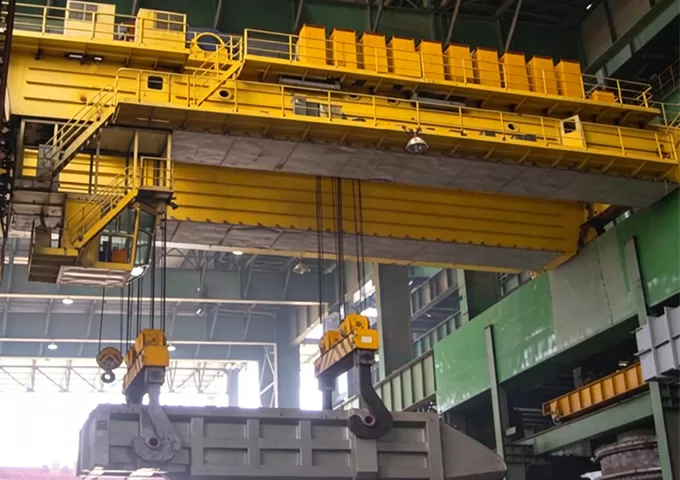
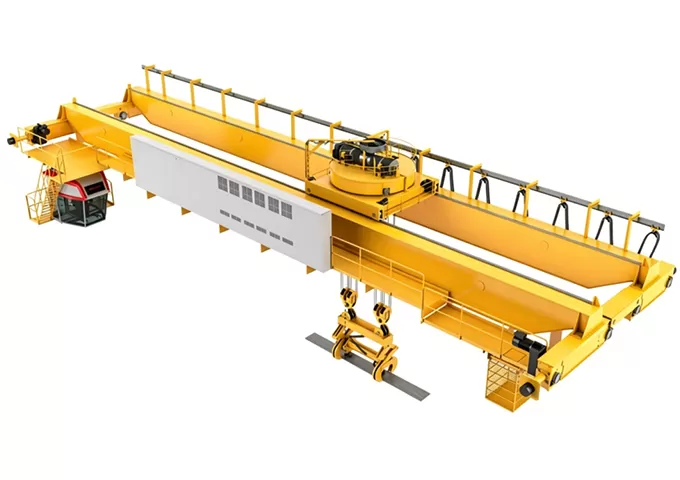
The main difference between a bridge crane and a gantry crane is how the bridge is supported. A bridge crane typically travels along runway rails attached to building columns or a purpose-designed supporting structure. Its bridge spans the working area, and a hoist travels across the bridge to lift and position loads.
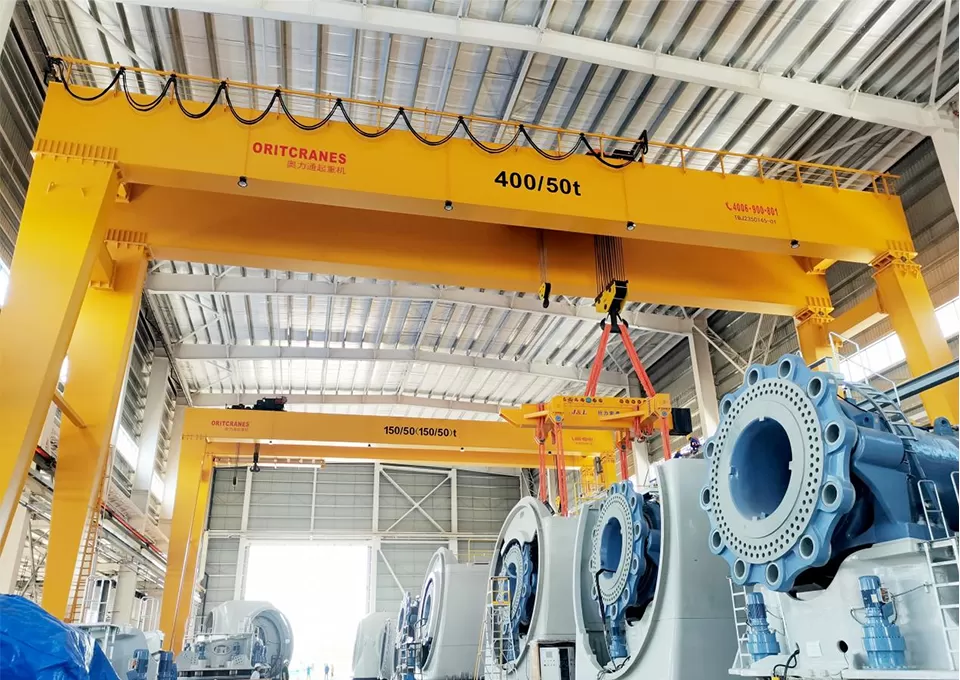
A gantry crane has a bridge supported by legs. Those legs typically travel along ground-level rails or another designed travel surface, depending on the configuration. This arrangement can make a gantry crane suitable for outdoor storage yards or locations where a permanent elevated runway is impractical.
Both types can be configured for different capacities, spans, and lifting heights. However, their structural arrangements influence site preparation, building requirements, and the amount of floor space needed.
When evaluating gantry crane vs bridge crane options, buyers should consider:
Support structure: Determine whether the building can support an elevated runway or whether a self-supporting gantry arrangement is more suitable.
Working area: Identify the required load pickup and placement points, including access across the site.
Installation scope: Compare runway construction, foundations, rails, electrical supply, and structural modifications.
Operational interference: Check whether crane legs, columns, or supporting structures conflict with vehicles, storage, and production equipment.
The best choice depends on the complete layout and operating conditions, not simply whether the crane is installed indoors or outdoors.

A bridge crane generally requires elevated runway beams and supporting columns or another engineered structure. Loads from the crane are transferred through the runway into the building or dedicated supports. The structure must be checked for vertical loads, horizontal forces, dynamic effects, and other applicable design requirements.
A gantry crane transfers loads through its legs to wheels or travel mechanisms and then to the supporting rails, pavement, or foundations. Depending on the crane design, the travel surface may need precise alignment and adequate load-bearing capacity. Outdoor installations may also require drainage, wind-load assessment, and protection against environmental exposure.
Existing buildings should not be assumed capable of supporting a bridge crane without engineering verification. Likewise, a gantry crane should not be installed on an ordinary floor or yard surface without confirming that it can support the imposed loads.
Installation cost should include all supporting infrastructure. A bridge crane may require runway reinforcement, while a gantry crane may require rails, foundations, or a prepared travel path. Comparing only the equipment quotation can therefore produce a misleading result.
Both crane types are available in a range of capacities and spans, but the appropriate specification depends on the manufacturer's design and the project's structural constraints. Neither type is automatically capable of handling heavier loads or longer spans in every situation.
Capacity must match the maximum intended load, including the lifting arrangement as defined by the crane specification. Buyers should also account for load dimensions, center of gravity, lifting height, and handling frequency.
Span and working area affect more than coverage. They influence structural design, deflection, wheel or rail loads, and installation complexity. A bridge crane may provide unobstructed floor space beneath its runway arrangement, while a gantry crane's legs and travel path can occupy portions of the work area.
Comparison factor | Bridge crane | Gantry crane |
|---|---|---|
Main support | Elevated runway structure | Legs supporting the bridge |
Typical installation | Indoor facilities and engineered industrial buildings | Indoor or outdoor areas, depending on design |
Floor-level footprint | Runway supports may be outside or beside the main handling zone | Legs and travel mechanisms occupy space |
Site preparation | Runway beams, columns, and structural verification | Travel surface, rails, foundations, or other supports |
Layout flexibility | Depends on building and runway arrangement | Can suit sites without a suitable elevated runway |
Key planning issue | Building support and hook coverage | Leg clearance and travel-path conditions |
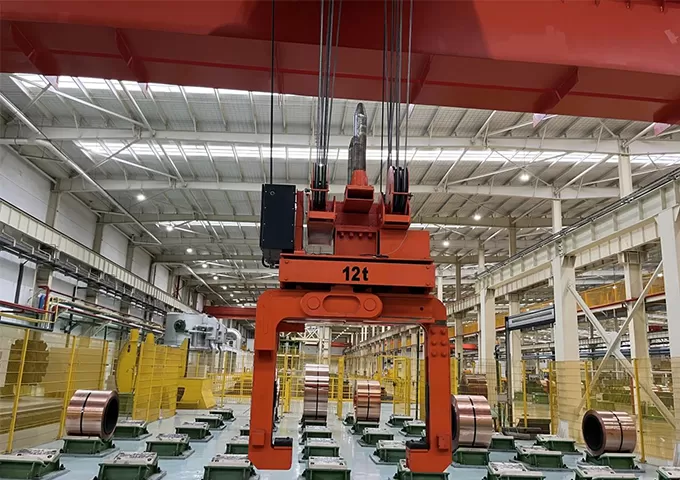
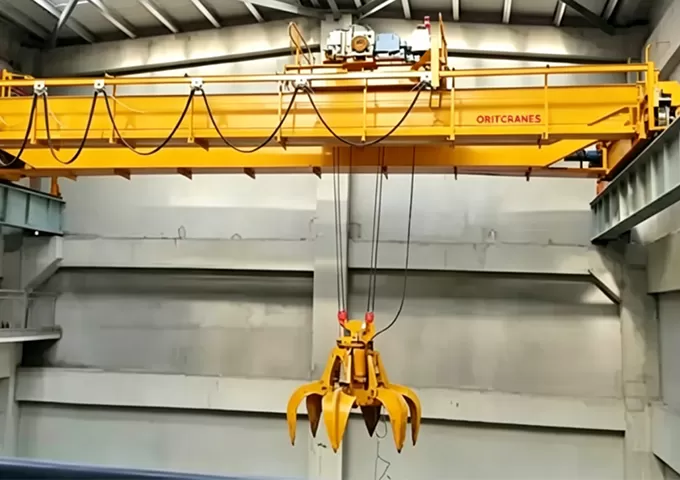
Bridge cranes are commonly used in factories, workshops, and warehouses where an elevated runway can be integrated into the building structure. They can move materials across a defined indoor area without requiring crane legs to travel through the working zone.
Gantry cranes are often considered for outdoor storage yards, fabrication areas, shipyards, and construction-related operations. Their self-supporting structure can be advantageous where there is no suitable building to support an elevated runway. Some gantry cranes are also used indoors when the facility layout and operating requirements support that arrangement.
Environmental conditions must be considered for either type. Outdoor equipment may need protection against rain, wind, corrosion, temperature changes, and other site-specific conditions. Indoor cranes may face heat, dust, fumes, or restricted headroom, depending on the industrial process.
The location alone does not determine the best configuration. Engineers should assess the load route, operating frequency, available space, structural conditions, and maintenance access before finalizing the design.
A bridge crane may be appropriate when the facility has a suitable elevated runway or can economically provide one. It is often useful where floor space must remain accessible for production equipment, vehicles, or storage.
A gantry crane may be a better fit when a self-supporting structure is needed, especially in outdoor yards or areas where building modifications would be expensive. Its suitability still depends on the travel surface, leg clearance, required span, and load capacity.
Before choosing, document the load characteristics, required coverage, lifting height, cycle frequency, environmental conditions, and infrastructure costs. Obtain an engineering review of supporting structures and confirm the required safety features, inspections, and maintenance arrangements. This provides a more reliable basis for comparing the total installed cost and long-term operating performance.
The choice between a bridge crane vs gantry crane depends primarily on support structure, available working area, site conditions, and installation requirements. Bridge cranes typically use elevated runways, while gantry cranes rely on supporting legs and a suitable travel path. Comparing the complete layout, structural requirements, operating cycle, and lifecycle costs helps industrial facilities select the most practical crane configuration.
A bridge crane generally travels on elevated runways, while a gantry crane supports its bridge on legs that travel along a designed path.
Gantry cranes are often suitable for outdoor yards because they can be self-supporting. However, the best choice depends on the load, site conditions, structural requirements, and environmental protection needs.
A bridge crane typically relies on elevated runway structures and supporting columns or other engineered supports. A gantry crane transfers loads through its legs to its travel system and supporting surface.
Compare capacity, span, lifting height, working area, building structure, travel-path requirements, installation cost, and maintenance needs. An engineering assessment should confirm the suitability of the selected configuration.