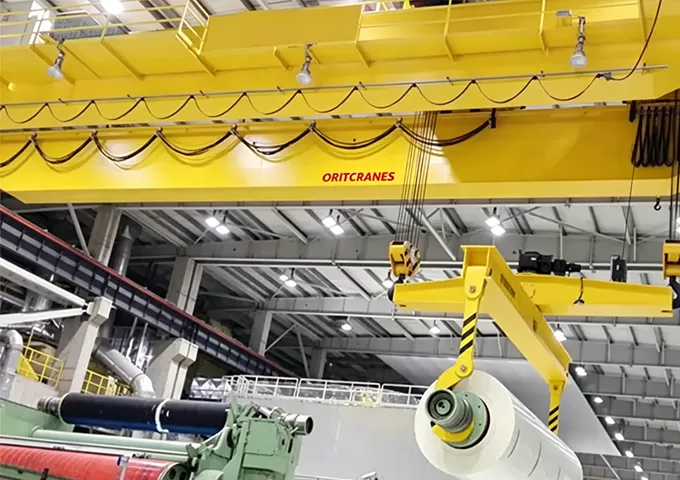
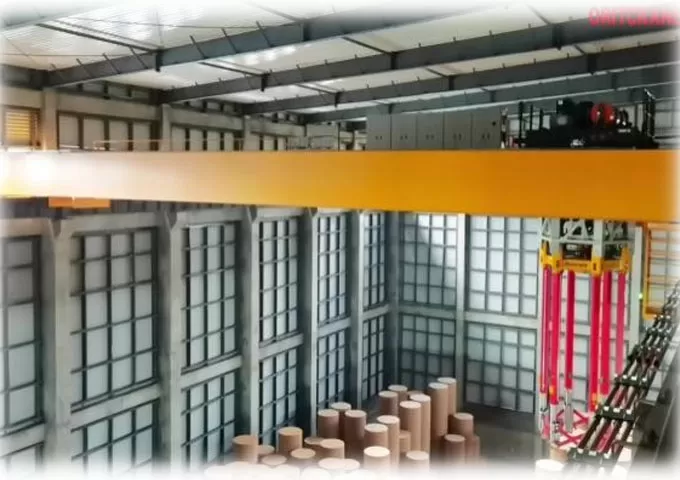
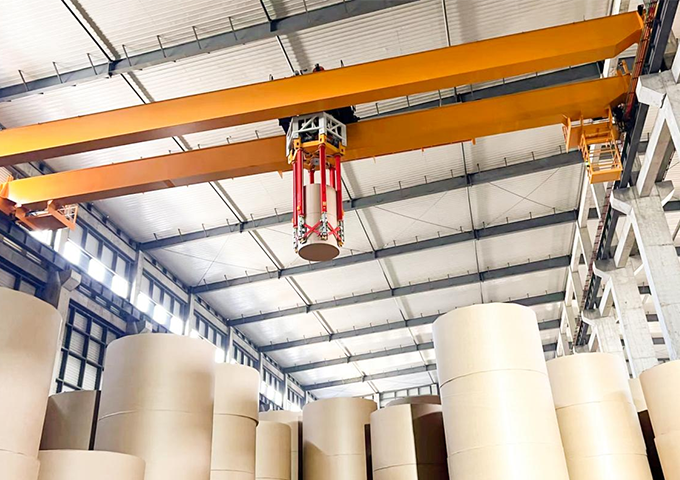
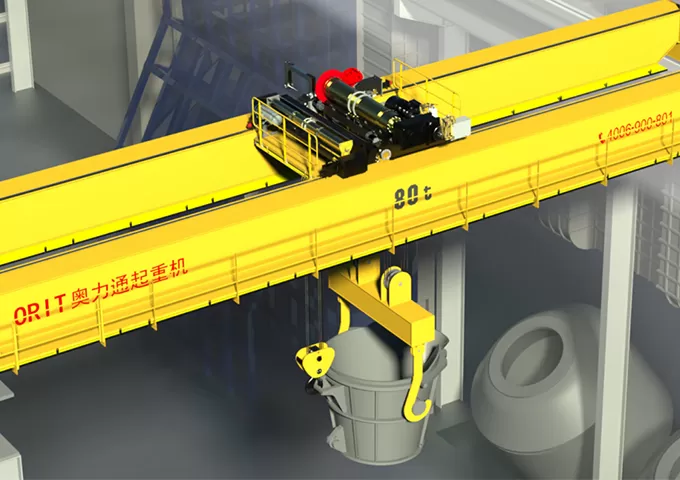
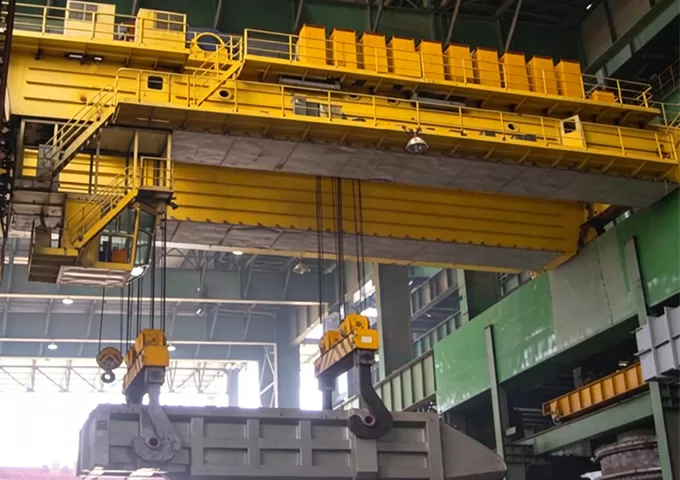
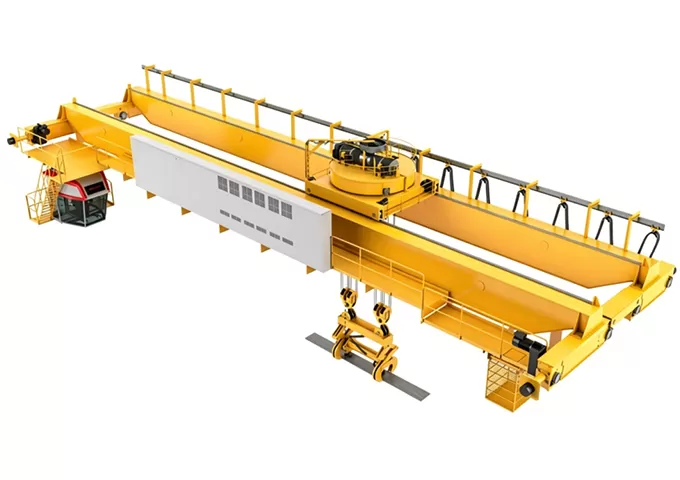
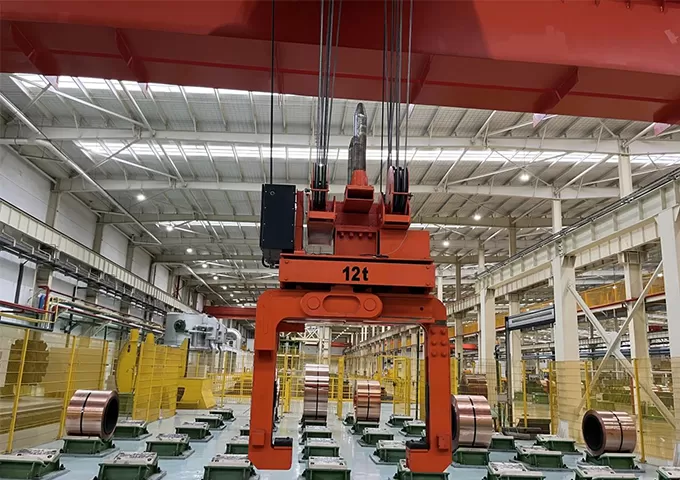
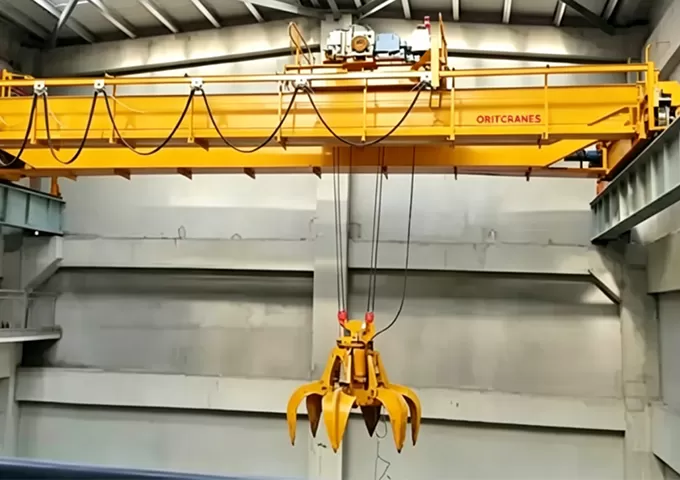
Industrial facilities increasingly use automated equipment to improve material handling consistency, reduce unnecessary movement, and coordinate production tasks. Automated crane systems combine mechanical lifting equipment with sensors, drives, control logic, and safety functions to perform defined movements with limited manual intervention. The right system depends on the application, load characteristics, required positioning accuracy, operating environment, and integration with other industrial processes.
An automated crane system uses programmed controls and feedback from sensors or other devices to carry out selected crane movements. Depending on its design, the system may perform travel, hoisting, positioning, load handling, or task sequencing automatically.
Automation does not necessarily mean that every operation is fully autonomous. Some systems automate repetitive travel while retaining operator supervision, whereas more advanced installations coordinate crane movements with production or warehouse software. The required level should be determined by the process and its risk assessment.
Typical capabilities include:
Programmed movement: Executing defined travel and lifting sequences.
Position control: Moving loads toward specified locations using feedback devices.
Task coordination: Receiving instructions from production or warehouse management systems.
Operational monitoring: Reporting equipment status, faults, and selected performance data.
An automatic crane should be designed around realistic operating scenarios, including variations in load, interruptions, and equipment faults. Clear operating boundaries help ensure that automation improves repeatability without creating avoidable safety risks.
Crane automation depends on coordinated hardware and control software. Sensors provide information about position, load, motion, and operating conditions, while drives regulate motor speed and acceleration. The controller uses this information to execute the programmed sequence and respond to defined operating conditions.
Position sensors may include encoders, laser-based measurement devices, or other technologies selected for the environment and required accuracy. Load monitoring devices can provide information relevant to overload protection and process control. Limit switches and proximity sensors may support movement boundaries and equipment interlocks.
Variable-frequency drives can regulate motor speed and support controlled acceleration and deceleration. Their selection must account for motor characteristics, braking requirements, duty, and the crane's mechanical design.
System component | Primary role | Selection consideration |
|---|---|---|
Position sensor | Reports travel or hoist position | Required accuracy and environmental conditions |
Load monitoring | Measures or monitors load-related parameters | Rated capacity and protection requirements |
Variable-frequency drive | Controls motor speed and acceleration | Duty, motor rating, and braking needs |
Programmable controller | Executes movement logic | Integration, response, and fault handling |
Communication interface | Exchanges tasks and status | Compatibility with plant systems |
Safety devices | Support defined protective functions | Risk assessment and applicable standards |
Components must be configured and tested as an integrated system. Reliable sensors cannot compensate for incorrect control logic, and sophisticated drives do not replace mechanical inspection or appropriate safety measures.
Accurate positioning is essential when an automated crane must deliver materials to defined storage locations, production stations, or transfer points. Positioning performance depends on sensor accuracy, travel speed, braking behavior, load sway, mechanical tolerances, and the stability of the supporting structure.
Overhead crane automation may use controlled acceleration and deceleration to reduce swinging. Depending on the system, anti-sway functions can help the load settle more quickly before placement. However, performance varies with load geometry, suspension length, and operating conditions, so the required accuracy should be verified during commissioning.
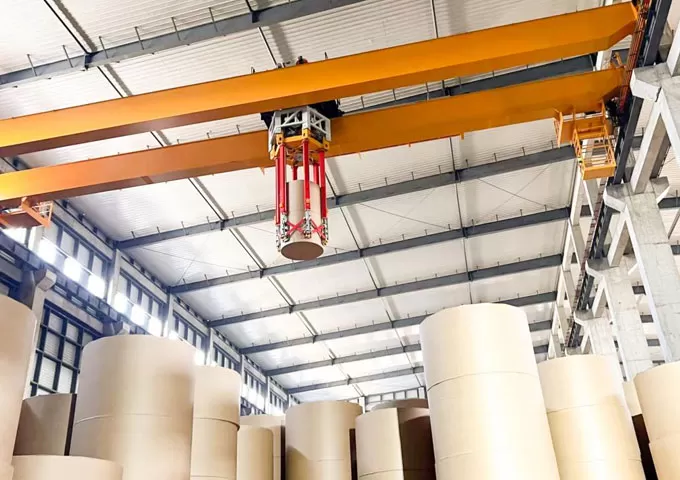
The handling device must match the load. Hooks, lifting beams, grabs, and dedicated fixtures have different operating requirements. The control system should confirm relevant conditions before executing movements where suitable sensors and interlocks are provided.
Automation planning should also address exceptional cases. If a sensor signal becomes unavailable, the load is detected incorrectly, or a destination is obstructed, the system needs a defined response. Safe stopping, fault notification, and authorized recovery procedures should be established before operation.
An automatic crane requires a safety strategy suited to its operating environment. Automation can reduce certain manual tasks, but it can also create hazards if people enter the movement area or if equipment responds unexpectedly to faulty information.
Important safety considerations include:
Overload protection: Preventing operation beyond the crane's permitted load limits.
Travel limits: Restricting movement within the approved operating envelope.
Collision prevention: Managing interference with other cranes, structures, and equipment.
Emergency stopping: Providing suitable means to stop hazardous movement.
Access control: Preventing unintended entry into restricted areas during automated operation.
The required protective functions depend on the crane design, risk assessment, and applicable regulations. Safety-related controls should be designed, validated, and maintained according to the relevant requirements. Operators and maintenance personnel also need training in fault recovery and isolation procedures.

Automated crane systems can be useful in warehouses, steel service centers, manufacturing plants, logistics facilities, and other environments where material movements follow repeatable patterns.
In automated storage areas, cranes can move loads between predefined locations and coordinate with inventory systems. In manufacturing, they may supply components to production stations or transfer finished products to staging areas. Heavy industrial environments may use automation to improve repeatability and reduce the need for operators to remain near certain handling operations.
Before implementation, project teams should establish measurable goals such as improved throughput, fewer positioning errors, or better material traceability. A detailed site assessment should verify crane coverage, load variation, structural conditions, communication infrastructure, and integration requirements.
Automated crane systems combine lifting equipment, sensors, drives, and controls to support consistent industrial material handling. Successful implementation depends on suitable positioning technology, compatible load-handling devices, well-designed safety functions, and reliable integration with plant operations. Defining the application and performance goals before procurement helps businesses choose an automatic crane solution that delivers practical operational value.
They are crane installations that use programmed controls and feedback devices to perform selected movements with limited manual intervention.
An automatic crane executes defined tasks through control logic and system feedback, while a manually operated crane relies more directly on operator commands. Some installations combine both modes.
Not necessarily. Personnel may still be required for supervision, maintenance, inspections, fault recovery, and operational planning.
Applications include warehousing, manufacturing, steel processing, logistics, and other industrial operations involving repeatable material movements.